
Last updated November 4, 2026
 Sweep & inspection
 Caps & crowns
 Flue relining
 Masonry repair
 Gas fireplace service
Level 1 sweep and inspection to the NFPA 211 annual standard - flue, crown, cap, and flashing checked and photographed
Chimney sweep logs do not sweep chimneys. They loosen some creosote - which then falls where a brush and vacuum still have to collect it.
How to Hire a Chimney Cleaning Contractor in Ventura: A Step-by-Step Guide
California has no mandatory state license for chimney sweeps. Read that again, because it changes everything about how you hire. Anyone can buy a brush, print business cards, and legally call themselves a chimney professional in Ventura. That means the entire burden of vetting falls on you, the homeowner, and the checklist you carry into the hiring conversation is the only real quality filter between a thorough inspection and a brush-and-go sweep that misses a cracked liner. This guide walks you through the exact questions to ask, the red flags to spot, and the documentation you should expect before anyone climbs onto your roof.
Styles & brands we work with
- Sweep & inspection
- Caps & crowns
- Flue relining
- Masonry repair
- Gas fireplace service
Quick Answer
To hire a chimney cleaning contractor in Ventura, start by asking for proof of general liability and workers’ compensation insurance, then ask whether the technician is CSIA certified. Require a written report after the sweep, and ask directly whether the company can perform liner repair or replacement, not just cleaning. Red flags include flat-rate phone quotes without an inspection, no insurance documentation, and any technician who says a verbal “looks good” is enough after the job.
Table of Contents
- What CSIA Certification Actually Verifies
- Questions That Reveal Liner and Repair Capability
- Why Insurance Type Matters for Chimney Work
- Red Flags in Quotes and Phone Calls
- What a Legitimate Written Report Should Include
- A Step-by-Step Hiring Process
- Common Mistakes to Avoid
- When to Call a Professional
- Frequently Asked Questions
- The Bottom Line
What CSIA Certification Actually Verifies
The Chimney Safety Institute of America, known as CSIA, is the closest thing this trade has to a national credential. Certification through CSIA means the technician passed a written exam covering fire codes, clearances, construction, and diagnosis of common chimney problems. It also requires continuing education credits to maintain. In a state with no licensing requirement, that credential is the single most reliable third-party signal you can ask for over the phone.
But here is what CSIA certification does not verify. It does not prove the technician has liner installation experience. It does not prove the company carries insurance. It does not prove the business has been operating for any specific length of time. Those are separate questions, and we will cover them below. What the credential does give you is a baseline: the person on your roof has studied the code, understands creosote classification, and knows what a properly functioning draft looks like. That is not nothing. It is a filter, not a guarantee.
We have worked in Ventura homes where the previous sweep was a handyman with a Shop-Vac and a flashlight. The homeowner had no way to know what was missed because no report was left behind. Asking about CSIA certification on the first call filters out a meaningful share of those operations before they ever touch your flue. If the answer is a long pause or a defensive explanation, you have learned something useful.
When we talk about chimney sweep work in Ventura, certification is the starting point for a conversation about inspection depth, not the finish line. A certified technician who only cleans is still not the right hire if you need a liner evaluated.
Questions That Reveal Liner and Repair Capability
The most important distinction in chimney work is between cleaning and repair. Most companies in Ventura can clean. Far fewer can repair, and the difference becomes expensive when a sweep finds a problem, writes it on the report, and then tells you to call someone else. That handoff is where homeowners lose weeks, pay for a second inspection, or simply let the problem slide until it becomes a safety issue.
On your first call, ask these questions in order:
- Do you install or repair flue liners yourself, or do you refer that out? If the answer is “we refer that out,” the company is a cleaning service, not a full-service chimney contractor. That is fine for a routine sweep, but it means you will pay for a second diagnosis if something is found.
- Can you restore a damaged clay liner without full replacement? This is a technical question with a technical answer. Companies that work with ceramic resurfacing systems like HeatShield can often restore a damaged liner instead of tearing it out. Companies that only do full replacement will always quote full replacement. You want to know which one you are talking to before you sign.
- What liner systems do you install? If they know the difference between flexible stainless and rigid systems, and can explain which fits which flue configuration, you are talking to a repair contractor. Flexible liner systems like DuraFlex are designed for offset or aged flue configurations that rigid pipe cannot navigate. The answer to this question separates technicians who diagnose from technicians who guess.
- Will I get a written report with photos when the job is done? A verbal “everything looks fine” is a conversation, not documentation. A written report is the record you need for insurance, for future inspections, and for your own understanding of the system’s condition.
We ask these questions because we know what happens when they are not asked. A Chimney Sweep Ventura technician can follow a problem from sweeping through repair without handing you off to an unknown third party. That matters when the problem is a cracked flue lining and you are trying to decide between restoration and replacement with someone who actually understands both options.
Why Insurance Type Matters for Chimney Work
Insurance is not one thing. There are two types that matter for chimney work, and asking for “proof of insurance” without specifying which one is how you end up with a general liability certificate that tells you nothing about whether the worker on your roof is covered if he falls.
General liability insurance covers damage to your property. If a technician drops a brush, cracks a roof tile, or damages your chimney cap, general liability is what pays for the repair. Every legitimate chimney company should have this, and they should show you a certificate of insurance with your name on it as the certificate holder if you ask. You are allowed to ask for this. Companies that hesitate are companies you should not hire.
Workers’ compensation insurance covers the worker, not your property. If a technician falls off your roof and breaks a leg, workers’ comp covers his medical bills and lost wages. Without it, that injured worker can file a claim against your homeowner’s insurance. In California, workers’ compensation is required for any company with employees, but that does not stop some operators from working without it. Ask specifically: “Do you carry workers’ compensation insurance, and can you provide the policy number?” The answer tells you whether the company is operating legally or gambling with your liability exposure.
Roof and ladder work is part of chimney cleaning. A technician climbing on a Ventura roof with equipment in hand is performing work that involves real fall risk. You want the company’s insurance, not a promise. This is not a formality. It is the difference between a covered incident and a claim against your own homeowner’s policy.
Red Flags in Quotes and Phone Calls
A flat-rate phone quote with no mention of an inspection is the clearest signal that a company is not going to diagnose anything. Chimney systems vary by age, by construction, by fuel type, and by degree of creosote buildup. No one can quote a meaningful price without seeing the system, and any company that does is either guessing or planning to upsell you once they are on site. Either way, you are not getting an inspection, you are getting a sales call with a brush.
Here are the specific signals to watch for on the first call:
- A price given before any questions about your chimney. If the person on the phone has not asked whether you burn wood or gas, how tall the chimney is, or when the last sweep was done, the price they just quoted is a placeholder, not an estimate.
- No mention of inspection level or condition documentation. A real chimney assessment includes more than a brush. It includes a camera inspection when needed, a visual check of the flue, the damper, the cap, and the crown. If none of that comes up before the technician arrives, you are hiring a cleaning only, not an assessment.
- Pressure to commit on the call. Legitimate companies schedule work. They do not need a deposit for a sweep, and they do not need you to decide that minute. High-pressure phone tactics are a signal that the company’s revenue relies on volume, not on quality of diagnosis.
- Vague answers to insurance questions. “We’re fully insured” is not an answer. A certificate of insurance with your name on it is the answer. If the company cannot produce that, walk away.
- No written report offered. A company that does not document its work is not doing inspection-level work. It is doing a service call.
Ventura homeowners who have lived through a bad hire usually describe the same pattern: a quick phone quote, a fast sweep, a verbal “you’re all set,” and a receipt with no information on it. Six months later, they find out about a liner crack from a different company and realize the first sweep never looked. The phone call is where that cycle starts.
What a Legitimate Written Report Should Include
A written report is not a receipt. It is a condition record of your chimney system, and it should read like one. When you pay for a chimney cleaning in Ventura, part of what you are paying for is the technician’s ability to document what he saw, what he did, and what he recommends. A verbal “looks good” is not documentation, and it does not protect you if something goes wrong three months later.
Here is what a legitimate post-sweep report should include:
- Creosote classification. The technician should tell you whether buildup was Stage 1, Stage 2, or Stage 3, and what that means for your burning habits and next sweep interval. Stage 3 is a fire hazard that requires immediate attention.
- Flue condition notes. This includes any cracks, gaps, or signs of deterioration in the liner. If the technician used a camera, the report should reference what the camera showed, not what the technician guessed.
- Damper and cap condition. A stuck damper or a missing cap are separate issues from creosote, but both affect draft and safety. The report should note them.
- Recommendations, prioritized. Not everything found needs immediate repair. The report should distinguish between “needs attention now” and “monitor.” That distinction is the difference between honest assessment and upsell pressure.
- Photos where relevant. If the technician found something significant, there should be visual evidence. Camera inspection capability is standard for full-service companies in this trade.
The report is also your insurance documentation. If you ever file a claim related to a chimney fire or ventilation issue, the adjuster will ask for records of maintenance. A receipt that says “chimney swept” tells them nothing. A dated report with creosote classification and condition notes is the record that proves maintenance was done properly.
When we write a report in Ventura, the homeowner gets a written document that describes the system’s condition in plain language. We work with the same material brands referenced by industry-certified chimney professionals nationwide, including Famco and Copperfield components, which matters when a repair recommendation requires parts that will actually hold up. The report should never read like a sales brochure. It should read like an honest condition assessment.
A Step-by-Step Hiring Process
The hiring process for a chimney contractor in Ventura works best as a sequence. Each step filters out a category of bad options, and by the time you reach the scheduling call, what is left is a short list of companies that actually do inspection-level work. Here is the process in order:
- Call at least three companies. Do not hire the first one. The phone call is itself a screening tool, and you will learn more from comparing answers than you will from a single conversation.
- Ask for proof of general liability and workers’ compensation insurance. Write down the policy numbers if they are given. If the company hesitates or redirects, end the call.
- Ask whether the technician is CSIA certified. A yes is good. A defensive answer is a red flag. A no with no follow-up explanation is a pass.
- Ask whether the company performs liner repair and replacement, or refers it out. This is the capability question. It tells you whether the company can handle what it finds.
- Ask what a written report includes. If the answer is vague, note that. If the answer is specific and includes photos, that is a company doing higher-level work.
- Get a written estimate after an inspection, not before. The legitimate process is: inspection, written estimate, work. Not: phone quote, work, hope for the best.
- Schedule the work. After the estimate, the price is set by the written estimate. No surprises, no upsell on the day of the job.
This process takes about an hour of phone time. It is the most valuable hour you will spend on chimney maintenance this year. The alternative, picking the first number in the search results, is how Ventura homeowners end up with a brush-and-go operator who leaves behind creosote, a cracked liner, and a receipt that says nothing.
Common Mistakes to Avoid
- Hiring based on price per sweep. A cheap sweep is cheap because it is fast, shallow, and undiagnosed. The cost difference between a thorough inspection and a quick brush is small compared to the cost of repairing a liner that went unnoticed for years.
- Assuming the company can repair what it finds. Most sweeps in Ventura are cleaning-only operations. If they find a crack, you are starting the hiring process over. Ask about repair capability before the work starts, not after the report comes back.
- Accepting a verbal “everything looks good” as a report. You have no documentation, no creosote classification, and no record for insurance. A verbal summary is not a service deliverable.
- Skipping the insurance check. A fall from your roof creates liability. Without workers’ comp, that liability lands on your homeowner’s policy. This is a five-minute check that protects you from a six-figure exposure.
- Hiring without asking about certification. In a state with no licensing requirement, certification is the closest thing to a legal standard. If the company cannot answer the question, it has not invested in the credential.
- Ignoring the dryer vent. Your dryer vent cleaning is a fire hazard that belongs in the same maintenance conversation. A company that handles both chimney and dryer vent work can address both issues in a single visit.
- Signing a work order without a written estimate. The written estimate is the price. If it is not in writing, it is negotiable after the work is done. That is not a position you want to be in.
When to Call a Professional
Some situations clearly call for a professional rather than a wait-and-see approach. You notice smoke backing into the room when the fire is lit. You smell a strong, acrid odor coming from the fireplace in humid or rainy weather. You see visible creosote buildup, a dark, tar-like coating, inside the firebox. Your chimney cap is missing or damaged. Your dryer takes longer than usual to dry clothes, or the vent flap outside does not open when the dryer runs. Any of these is a reason to call. Chimney Sweep Ventura offers free estimates in Ventura, call (877) 798-8581. We answer 24/7. Fast dispatch from 7am to 7pm, Sunday through Friday.
Frequently Asked Questions
Chimney cleaning in Ventura typically ranges from $180 to $340 for a standard sweep with a visual inspection, depending on the height of the chimney, the level of creosote buildup, and whether a camera inspection is needed. The exact price is set by written estimate after a technician sees the system. Call (877) 798-8581 for a free estimate.
You should ask to see the camera footage before agreeing to any liner work. A cracked or deteriorated liner is a legitimate safety issue, but restoration through a ceramic resurfacing system like HeatShield is often possible without full replacement. Get a second opinion if the only option presented is full replacement and no camera evidence is offered. A company that can show you the problem and explain alternatives is the one to trust with the work.
The standard recommendation is once per year for wood-burning fireplaces that get regular use. The National Fire Protection Association calls for cleaning when creosote reaches 1/8 inch of buildup, which in practice means most active wood-burning chimneys in Ventura need an annual sweep. Gas fireplaces can go longer between cleanings, but they still need an annual inspection to verify the venting is intact and drafting properly.
Creosote accumulates with every wood fire, and creosote is the fuel for chimney fires. A chimney fire can reach temperatures that crack the flue liner, damage the chimney structure, and spread to the home. Even without a fire, a blocked or partially blocked flue can push carbon monoxide back into the living space. Skipping a cleaning does not save money, it defers a small maintenance cost into a potentially large repair or a safety event.
Yes, legally there is no license requirement for chimney cleaning in California. That is exactly why the hiring checklist matters so much. Insurance, certification, and repair capability are the filters that separate a qualified technician from someone who simply owns a brush. The legal gap means the homeowner is the only quality control mechanism in the hiring process.
We serve the entire Ventura area, including the neighborhoods and surrounding communities within the city and nearby unincorporated areas. Our Ventura service area covers both residential wood-burning fireplaces and gas appliances. Call (877) 798-8581 to confirm your address.
The Bottom Line
Hiring a chimney cleaning contractor in Ventura without a vetting process is a gamble. The state gives you no licensing requirement to lean on, so you have to create your own standard. Ask for insurance certificates by type, not by vague assurance. Ask about CSIA certification. Ask whether the company repairs liners or refers the work out. Require a written report with creosote classification and condition notes. Get the estimate in writing after an inspection, not over the phone. The checklist is not complicated, but skipping any step exposes you to exactly the kind of operator who gives this trade a bad name. Chimney Sweep Ventura has worked in this city for 15 years, doing the kind of work that starts with an honest inspection and ends with a written report you can actually read. Commissioning a free estimate is the straightforward way to see the difference.
Written by the team at Chimney Sweep Ventura, serving Ventura since 2011.
See the difference
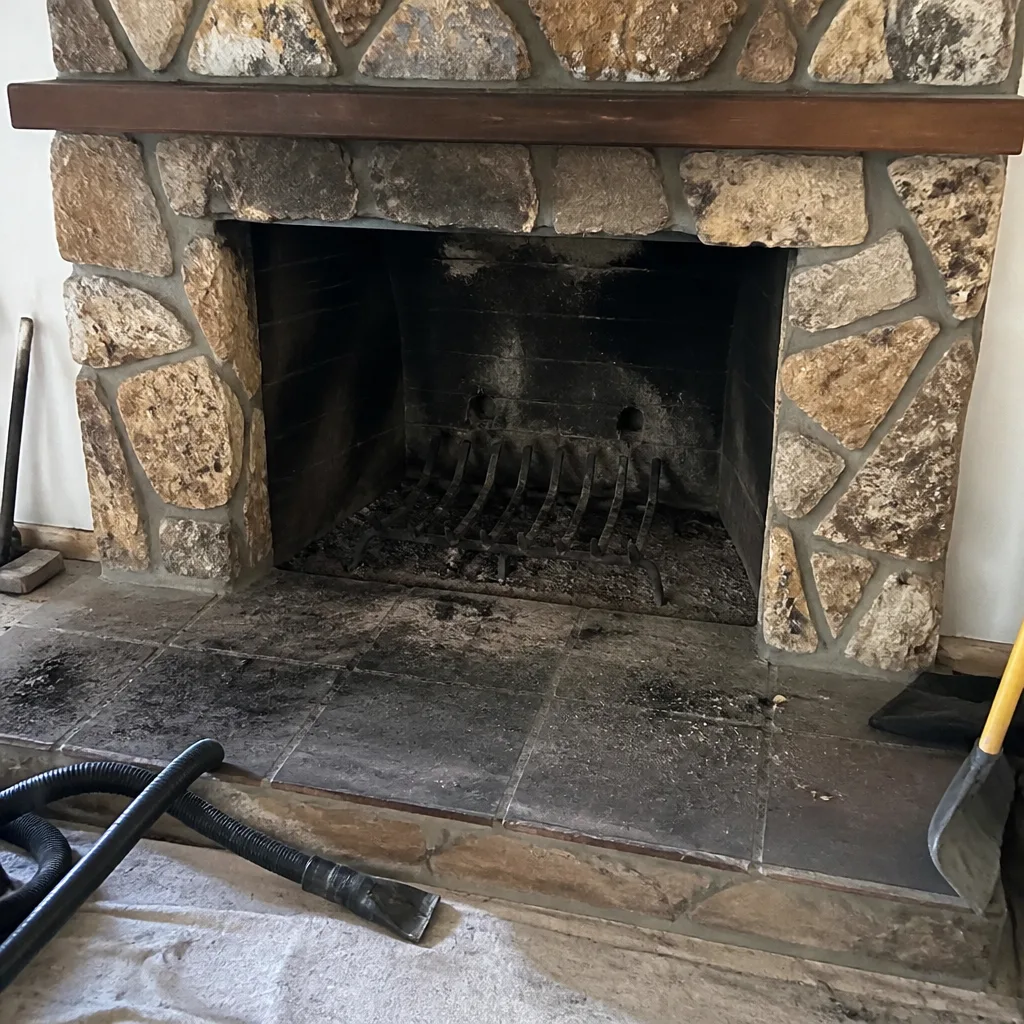 Before
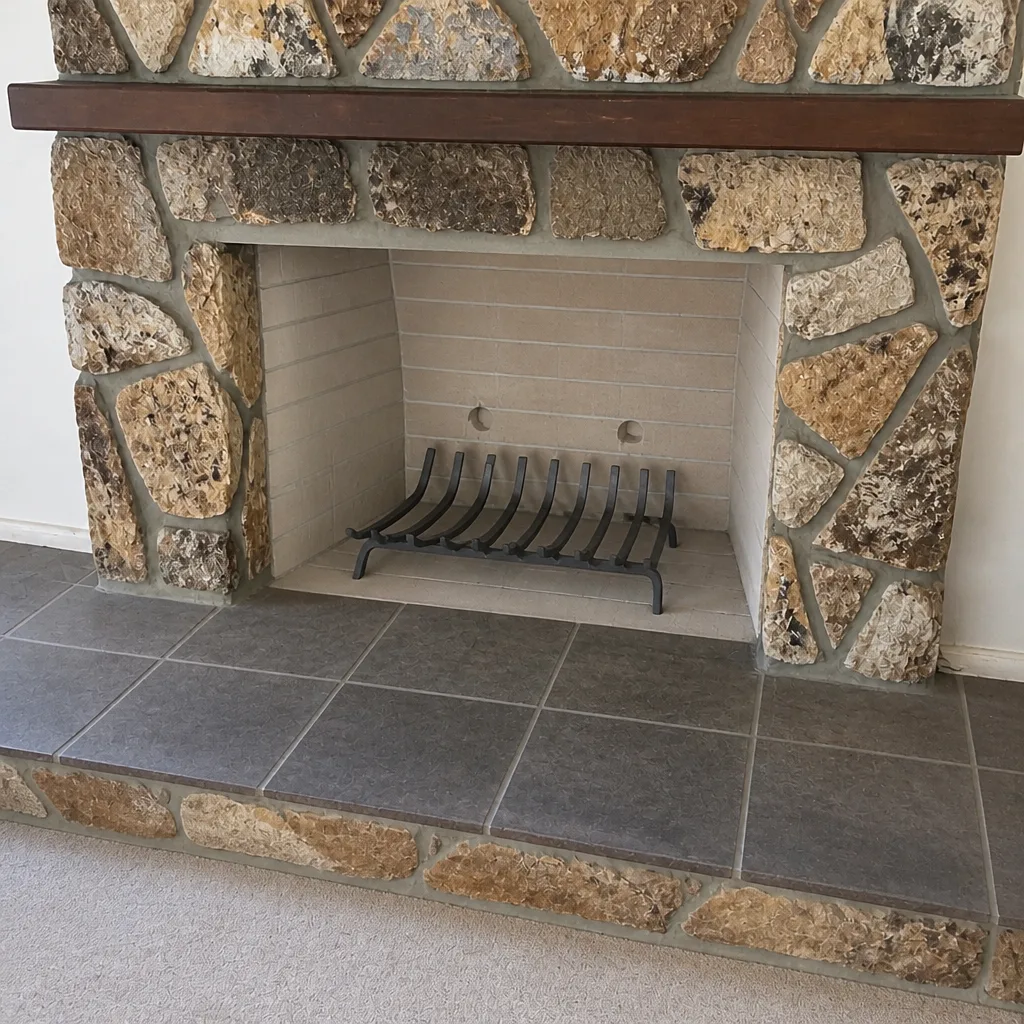 After
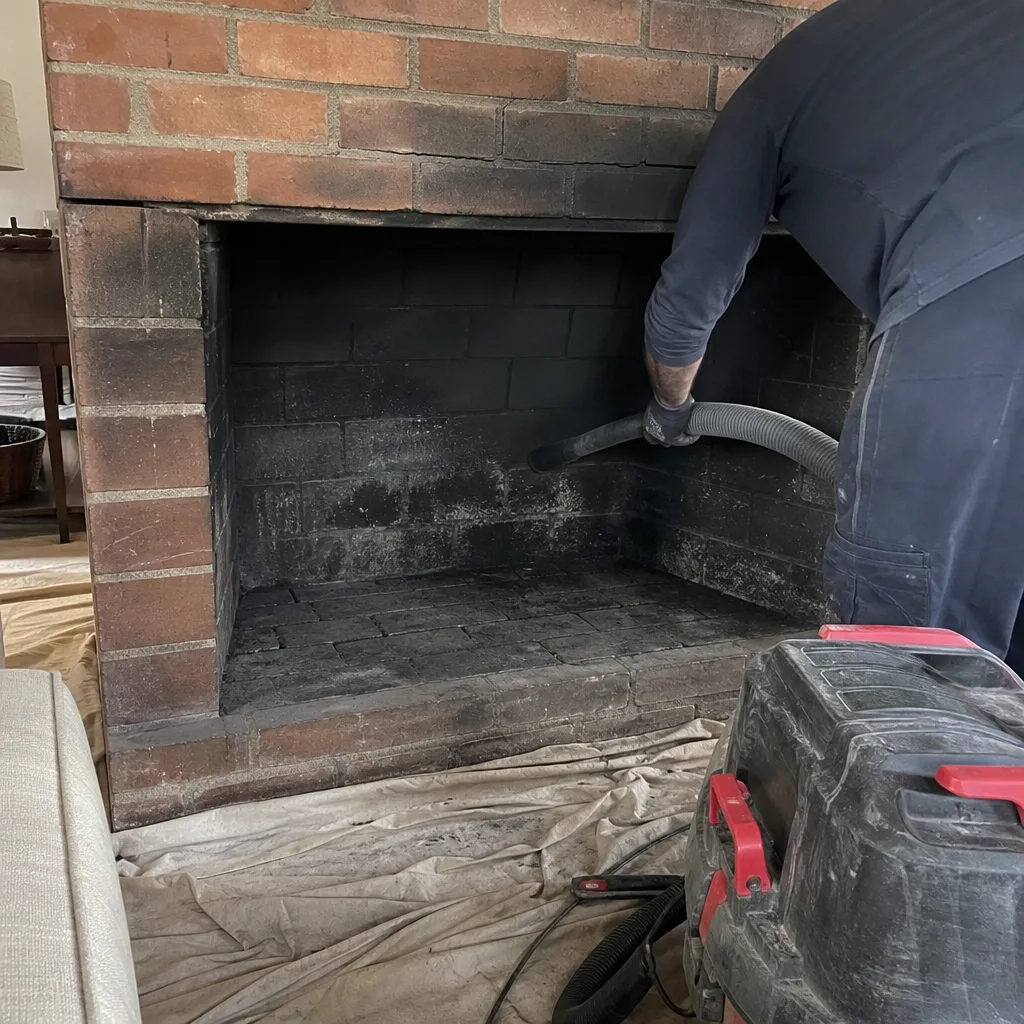 Before
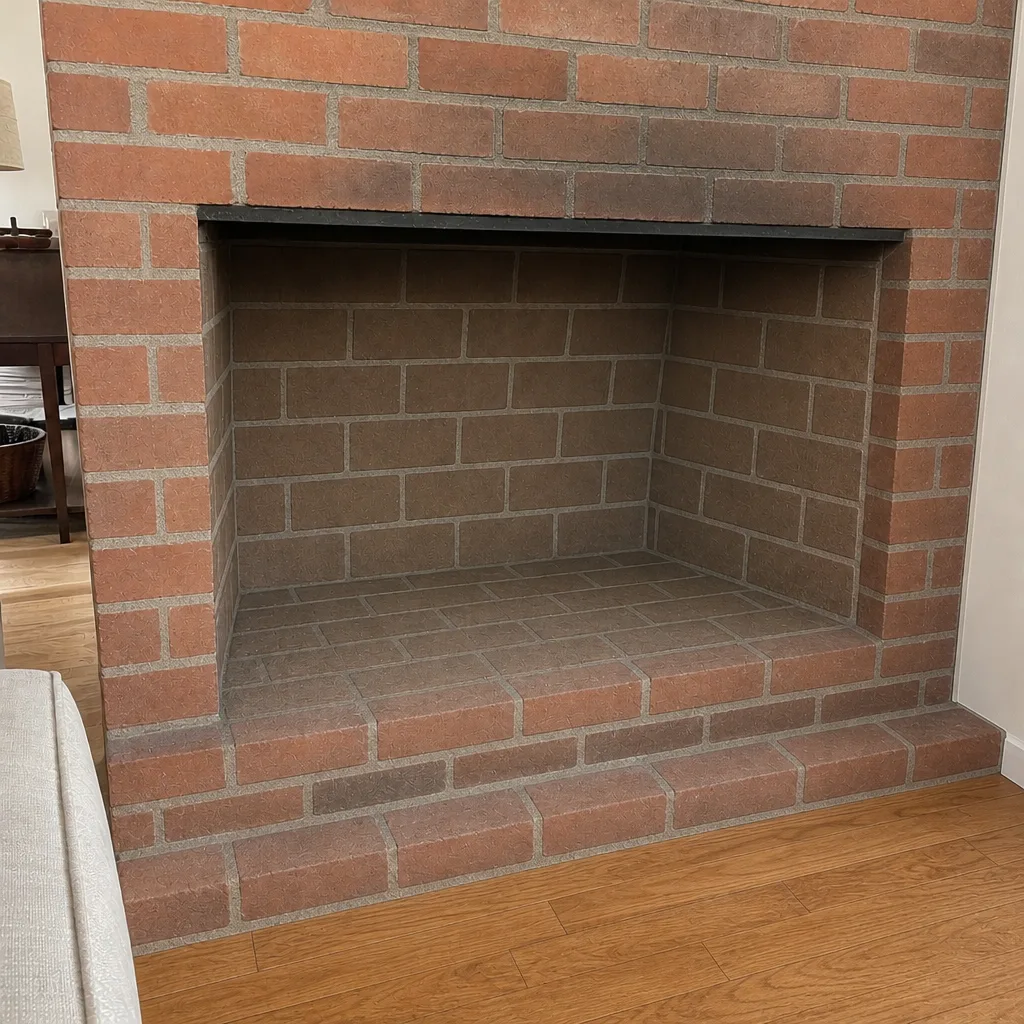 After
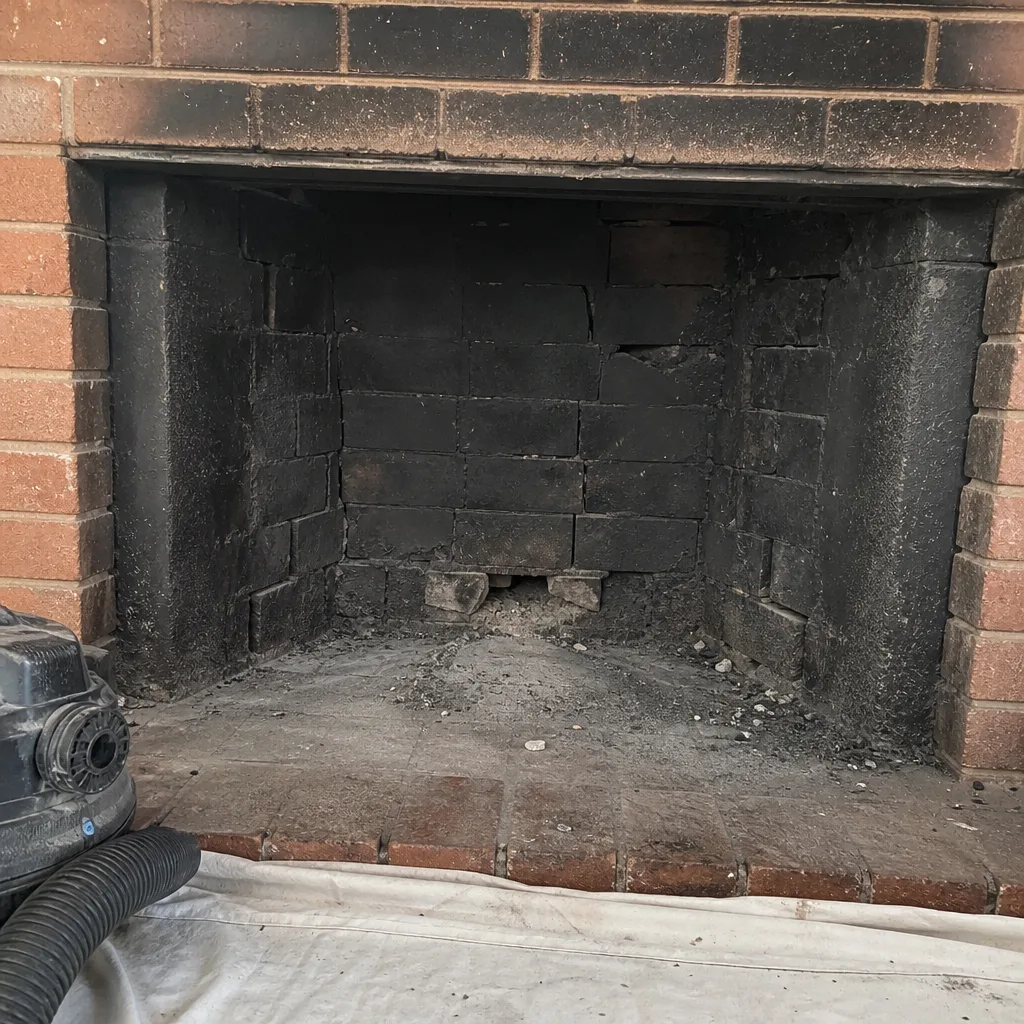 Before
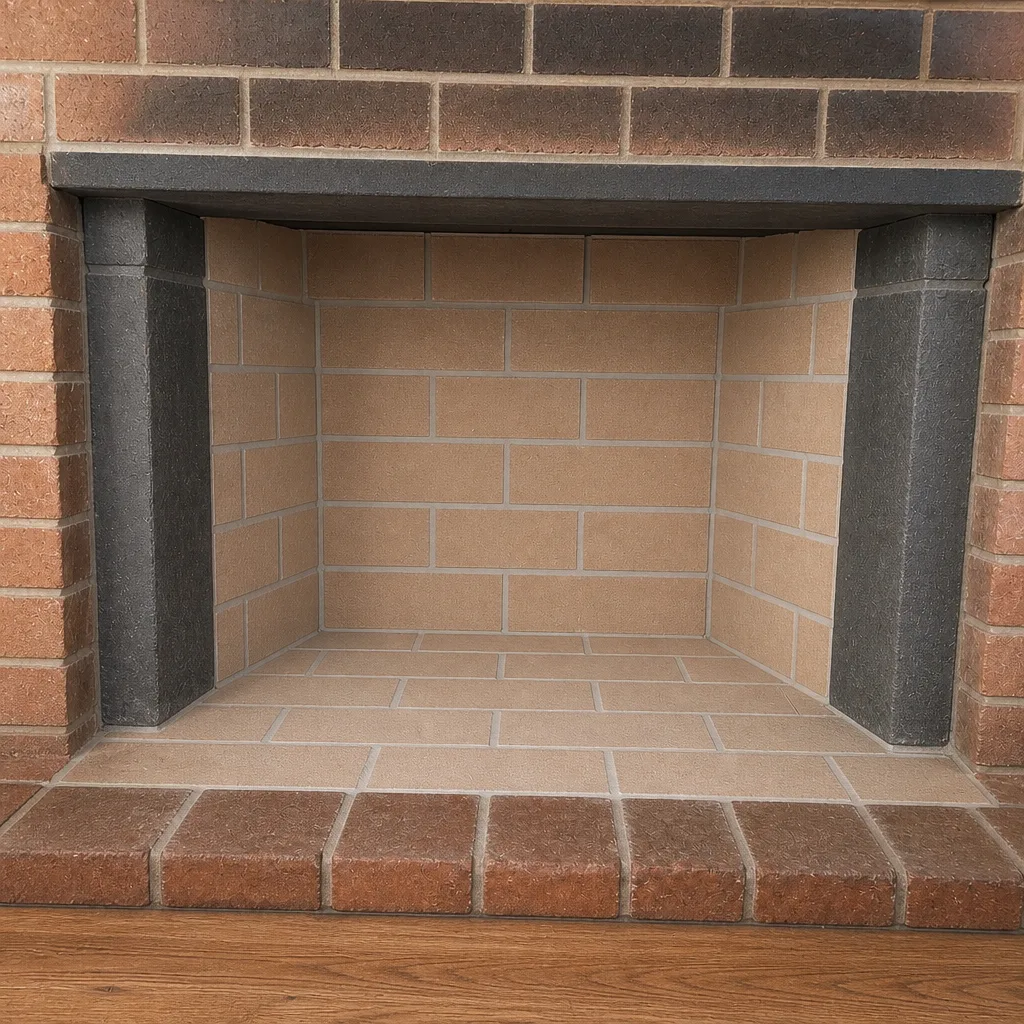 After