
Last updated November 4, 2026
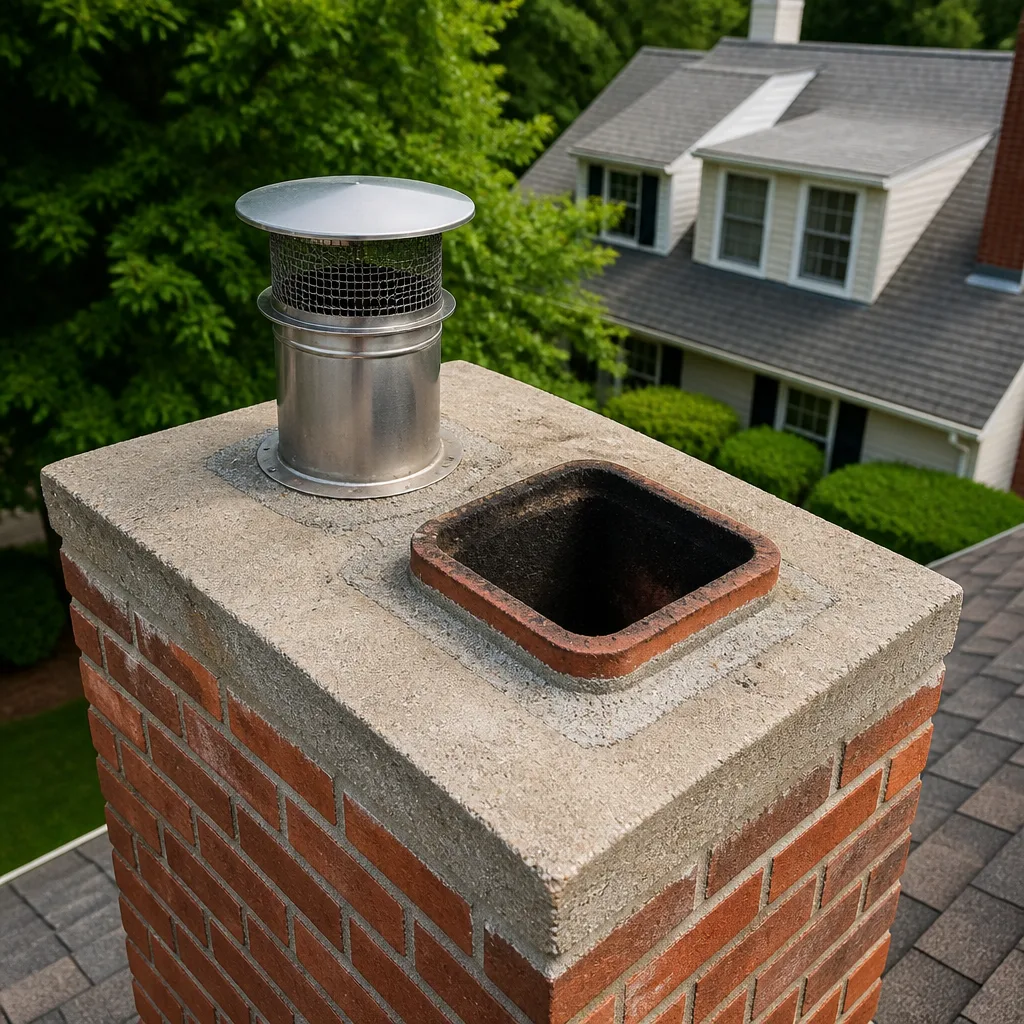 Sweep & inspection
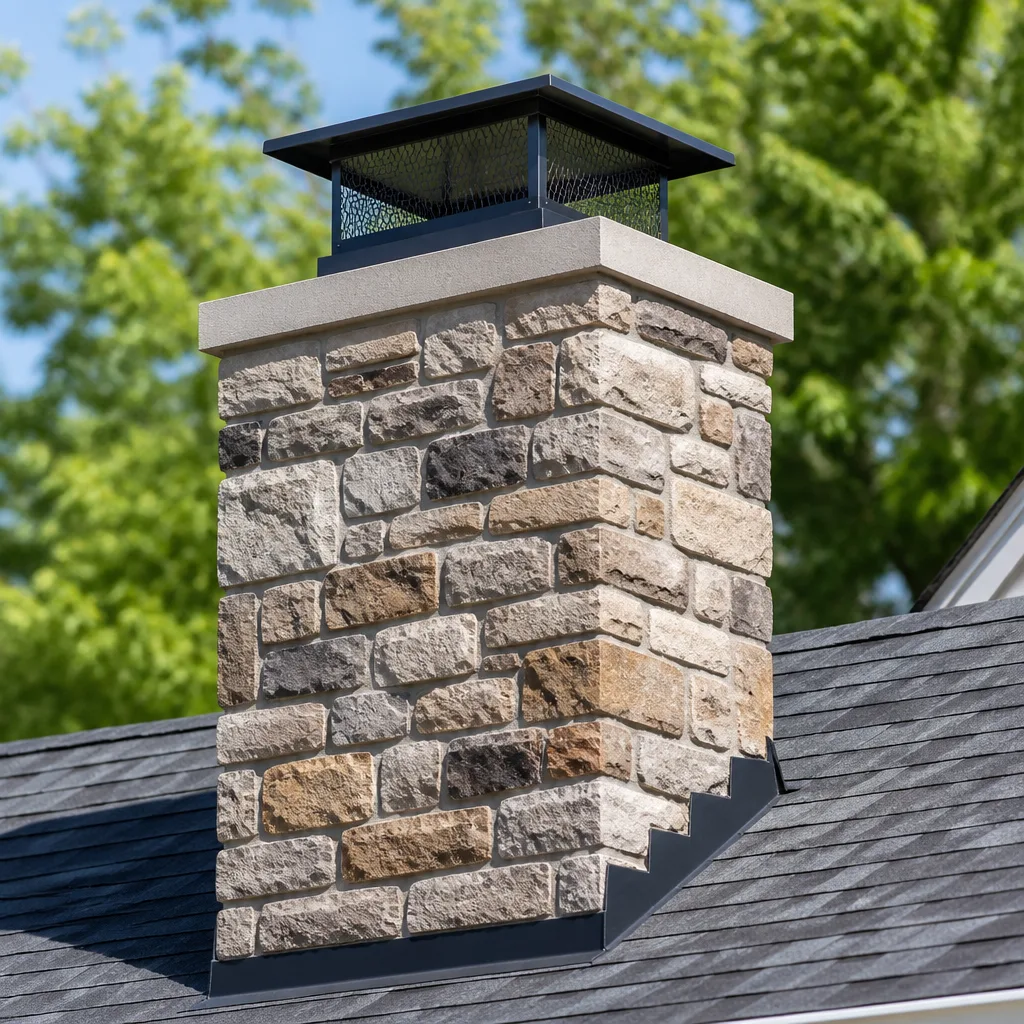 Caps & crowns
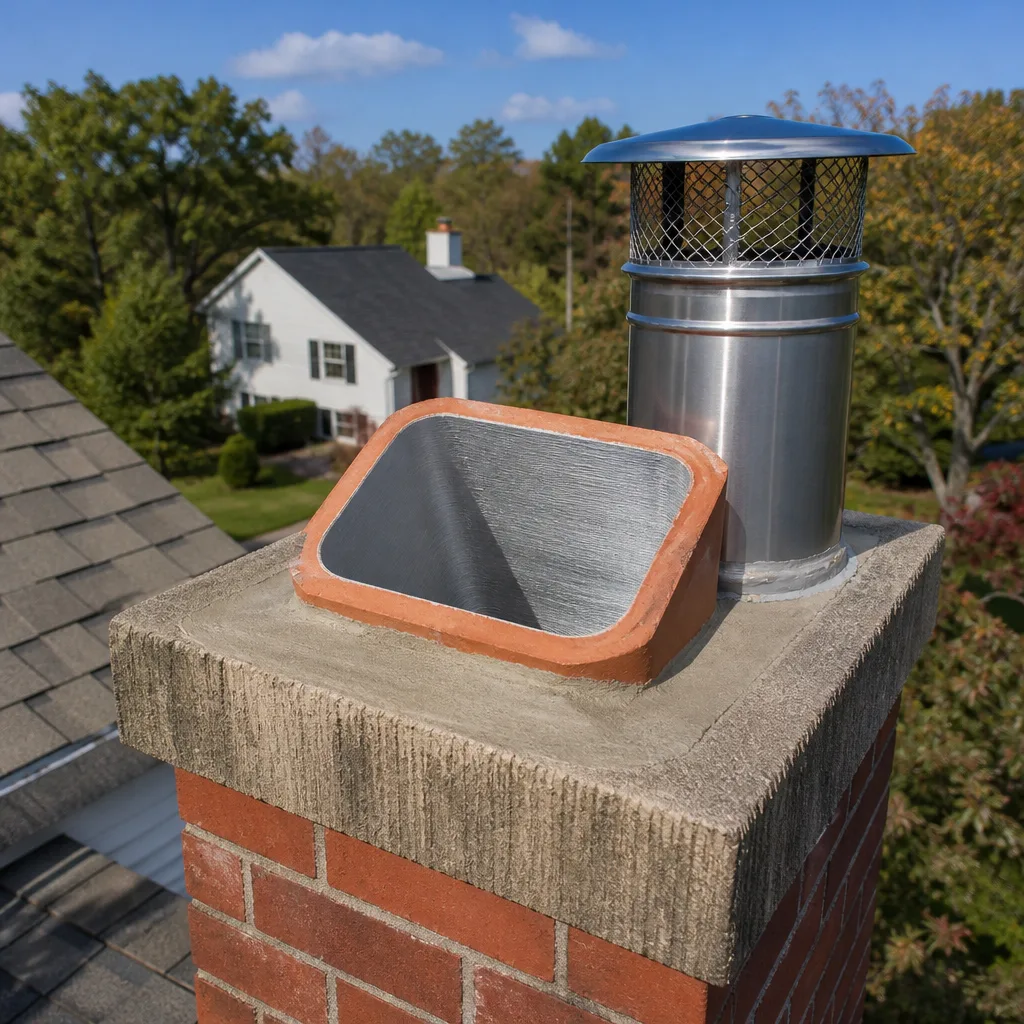 Flue relining
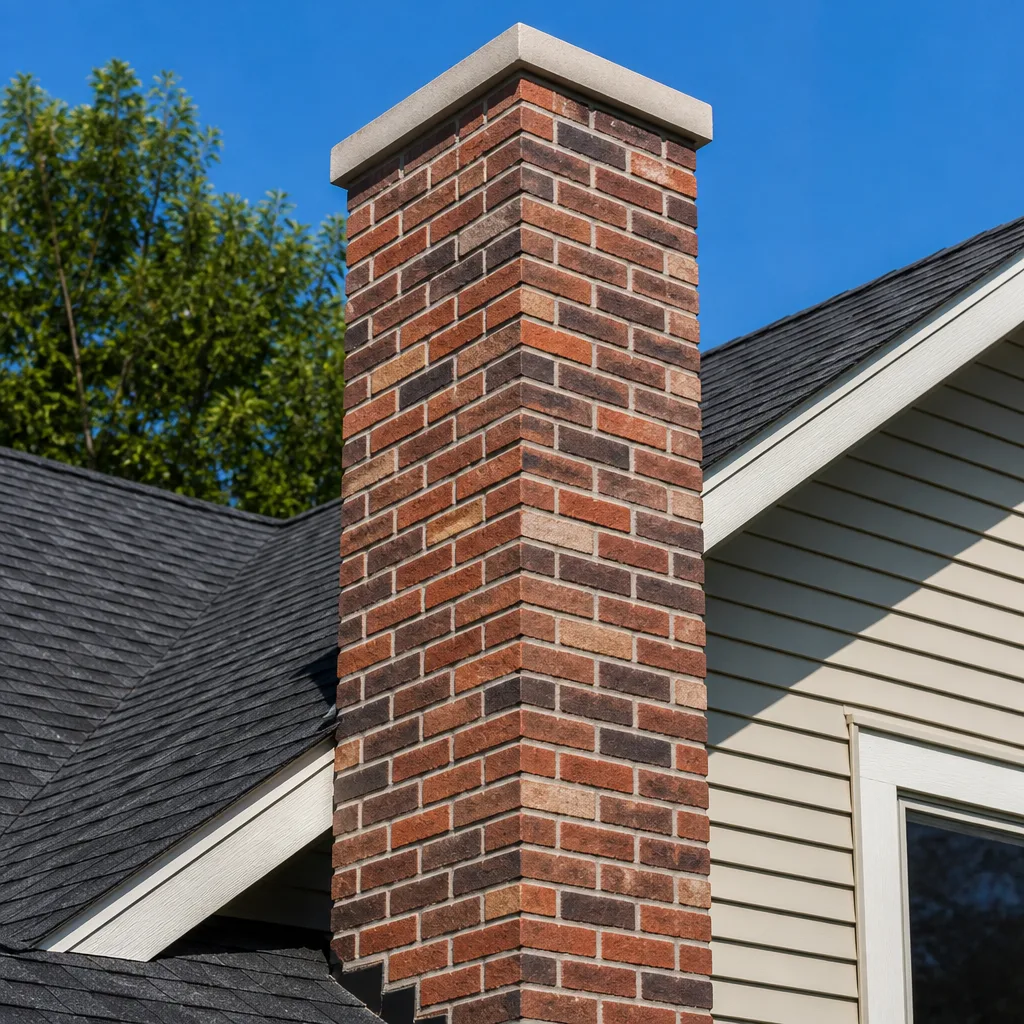 Masonry repair
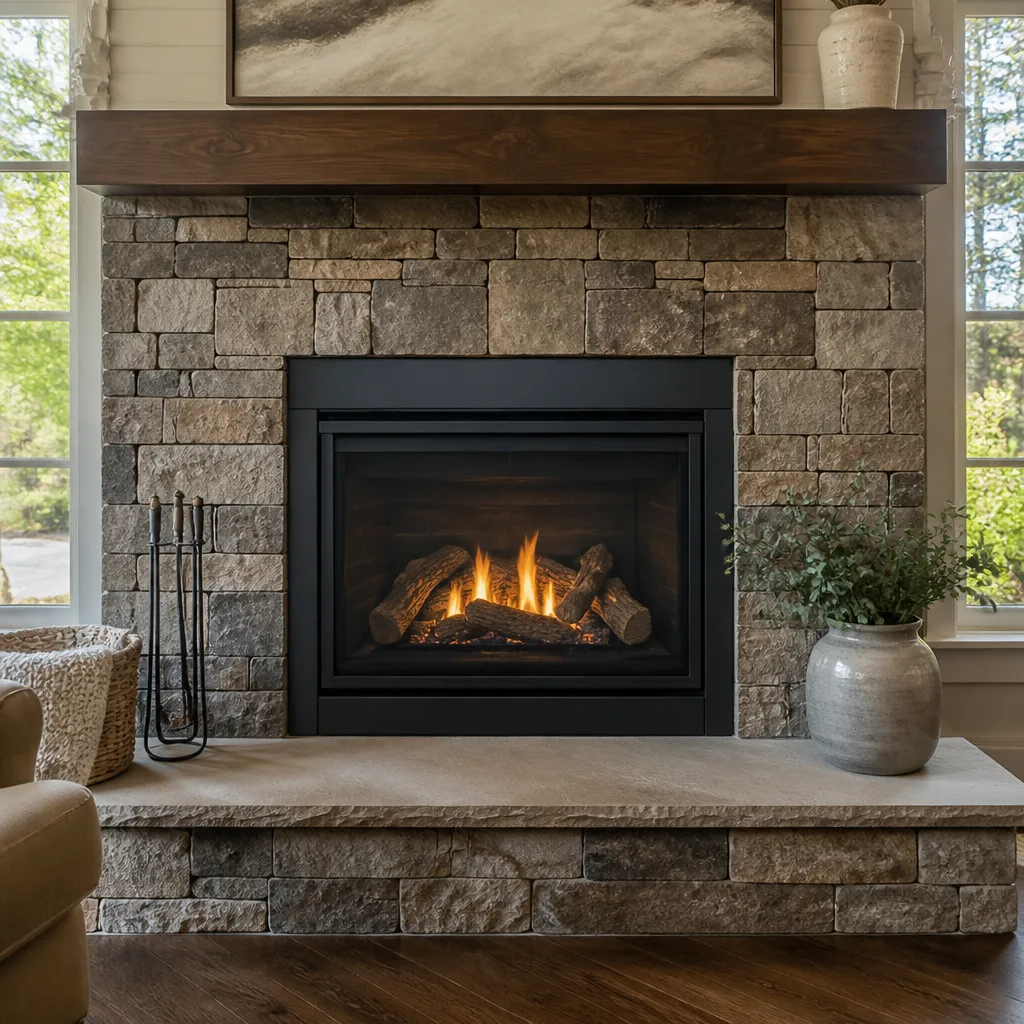 Gas fireplace service
Level 1 sweep and inspection to the NFPA 211 annual standard - flue, crown, cap, and flashing checked and photographed
Chimney sweep logs do not sweep chimneys. They loosen some creosote - which then falls where a brush and vacuum still have to collect it.
Seasonal Chimney Cleaning Care for Ventura: Year-Round Homeowner’s Guide
Most chimney guides tell you to clean every fall, like clockwork. Here’s the problem with that advice in Ventura: by the time October arrives, the conditions that make a pre-inspection most urgent have already been building for weeks. Santa Ana wind events typically begin in October, but the fire-risk window starts earlier, and the marine layer months from May through July have already spent months working on your mortar joints and crown. This guide replaces the generic “clean in autumn” advice with a Ventura-specific calendar built around three local cycles: marine layer months, Santa Ana wind season, and the seasonal use of your fireplace. You’ll learn when each task matters most, what to check after specific weather events, and how to maintain a chimney that sits unused half the year without over-servicing it.
Styles & brands we work with
- Sweep & inspection
- Caps & crowns
- Flue relining
- Masonry repair
- Gas fireplace service
Quick Answer
Seasonal chimney care in Ventura works best as three distinct windows: a pre-fire-season inspection in late August through September, a post-wind-season structural check in spring, and a marine layer moisture assessment during May through July. A chimney sweep should happen at least once per year, but the timing matters more than the frequency. The highest-priority window here is late summer, not late fall, because Santa Ana winds and the start of fireplace use both converge in October.
Table of Contents
- Why Ventura’s Climate Demands a Different Chimney Calendar
- Late August Through September: The Real Pre-Season Window
- Marine Layer Months: What May Through July Does to Your Chimney
- Santa Ana Wind Season: October Through March
- Spring Tasks: Nesting, Caps, and Post-Wind Inspection
- Maintaining a Seasonally Used Chimney Without Over-Servicing
- Building a Year-Round Maintenance Rhythm
- Common Mistakes to Avoid
- When to Call a Professional
- Frequently Asked Questions
- The Bottom Line
Why Ventura’s Climate Demands a Different Chimney Calendar
Ventura has what most people would call mild weather. No freeze-thaw cycles to crack brickwork, no snow load on the cap, no ice dams to worry about. That’s good news, but it leads homeowners to think the chimney can be ignored for years. The reality is subtler: Ventura’s specific weather patterns create three distinct stress cycles that national chimney guides don’t address.
The marine layer that settles over Ventura from May through July keeps mornings damp and cool. That moisture sits on exposed masonry, seeps into hairline cracks in the crown, and accelerates the slow breakdown of mortar joints. Then, from October through March, Santa Ana wind events arrive. These winds can displace caps, force debris into flues, and stress the chimney shoulders where the structure meets the roofline. Between these two cycles sits the fire season, which changes how we think about inspection timing.
A chimney in Ventura isn’t fighting ice and snow, but it is fighting moisture and wind. Understanding when each force peaks is the foundation of a maintenance calendar that actually fits where you live. Most chimney damage here is slow and cumulative, not dramatic and sudden. That’s why timing your inspections to catch early signs matters more than cleaning frequency alone.
Late August Through September: The Real Pre-Season Window
If you only schedule one chimney inspection per year, schedule it in late August or September. Not November. Here’s why: Santa Ana winds typically begin in October, which means the fire-risk window opens before most people light their first fire. By inspecting in late summer, you identify problems before wind season adds pressure to an already compromised structure. You also beat the rush: most homeowners wait until the first cold evening, which means sweep companies are busiest in late fall. Booking in late August means you get the appointment time you want and your fireplace is ready the day you need it.
What should this pre-season inspection cover? At minimum:
- The flue liner, checked for cracks, gaps, or creosote buildup from last season
- The chimney cap, verified secure and free of debris before wind season
- The crown, checked for hairline cracks that marine layer moisture may have worsened
- The damper, tested for smooth operation and proper seal
- The firebox, examined for damaged brick or mortar after a year of temperature cycles
In our experience, late summer is also when we find the most nesting material. Birds and small animals are more active in spring and early summer, but the evidence of their work often isn’t noticed until the first pre-season inspection. Removing this material before wind season matters because Santa Ana events can force loose debris deeper into the flue, creating a blockage that’s harder to clear later.
Marine Layer Months: What May Through July Does to Your Chimney
The marine layer months in Ventura don’t feel threatening. Overcast mornings, a light drizzle, air that feels damp until the sun burns through. But for your chimney, this is a slow, persistent moisture attack. The issue isn’t one big storm. It’s weeks of repeated dampness settling into porous masonry.
Here’s what happens. Concrete crowns and mortar joints are porous, even when they’re in good condition. Morning dampness from the marine layer seeps into that porosity. When the afternoon sun heats the masonry, the moisture expands and evaporates, leaving behind microscopic mineral deposits and slowly widening the spaces it occupied. Over multiple seasons, this cycle creates hairline cracks in the crown and weakens mortar joints. The damage is slow, and you won’t see it from ground level. But by the time it’s visible, the repair is usually more involved than it would have been a year earlier.
Steel components take a hit too. Dampers, in particular, are susceptible to corrosion from repeated moisture exposure. A damper that’s stiff or squeaks when you open it may be showing early signs of rust. Catching this during a May or June inspection means a simple adjustment or minor repair. Ignoring it means a replacement later. The marine layer is Ventura’s version of a freeze-thaw cycle: slower, quieter, but it accomplishes the same thing over time.
Santa Ana Wind Season: October Through March
Santa Ana wind events are the most aggressive force your chimney faces all year. These winds can displace caps, force debris into flues, and stress the chimney shoulders where the structure meets the roofline. They typically run from October through March, which overlaps almost completely with the season when most Ventura homeowners are using their fireplaces.
The first thing to understand is what Santa Ana winds do to a chimney cap. A properly installed cap is secured to the flue with screws or a clamp system. But strong, sustained winds can loosen those connections over time. A cap that shifts even slightly creates a gap where embers can escape, which is a fire hazard during the exact season when wildfire risk is highest. After any significant Santa Ana event, check your cap from ground level. If it looks tilted or you can see daylight through gaps that weren’t there before, that’s a call you should make.
Debris is the second concern. Santa Ana winds pick up leaves, twigs, and sometimes larger material. If your cap is damaged or missing, that debris ends up in your flue. Even with a cap in place, fine material can work its way through spark arrestor screens. After a wind event, especially one that lasted multiple days, a visual check of your fireplace floor can tell you a lot. If you see new debris inside the firebox, it came down through the flue, and that means the flue itself may be partially obstructed. The fix is straightforward: a sweep to clear it and a cap inspection to find the entry point. But the risk if you skip it is a chimney fire or smoke backup into your home the next time you light a fire.
Chimney shoulders are the third weak point. These are the sloped sections where the chimney transitions from the narrower flue housing to the wider base. In Ventura’s typical single-story and two-story homes, the shoulder is the most wind-exposed part of the structure. Repeated Santa Ana stress can open small cracks in the mortar at these transition points. Those cracks let moisture in during marine layer months, and the cycle compounds. An annual inspection that includes a close look at the shoulders catches this early, when repointing is a minor job rather than a structural repair.
Spring Tasks: Nesting, Caps, and Post-Wind Inspection
Spring in Ventura is nesting season for chimney swifts and swallows. These birds are protected under the Migratory Bird Treaty Act, which means once a nest is established with eggs or young birds inside, you can’t legally remove it. That makes spring the critical window: you need to clear nesting material and secure caps before birds establish protected nests.
The sequence matters. Here’s a practical spring checklist:
- Schedule a post-wind-season inspection in March or early April, after the heaviest Santa Ana period
- Have any nesting material from the previous year removed from the cap and upper flue
- Verify the cap is secure and the spark arrestor screen is intact, with no gaps larger than the mesh spacing
- Check the crown for new cracks that opened during wind season
- Inspect the damper for corrosion before the marine layer months begin
If you wait until May or June to think about nesting, you may already be too late. Swifts begin arriving in Southern California in late March and early April. Once a nest is active, a sweep can’t legally disturb it, and you’ll be waiting until the birds leave in late summer. Clearing material before arrival is the only way to avoid that situation. A chimney sweep who knows Ventura’s nesting calendar will flag this timing for you.
Cap maintenance is the other spring priority. A cap with a damaged spark arrestor screen is an open invitation to birds and a fire risk during wind season. Replacing a screen or a cap is inexpensive compared to the alternative: removing a bird nest after it’s already established, or dealing with a fire that started because embers escaped through a broken screen.
Maintaining a Seasonally Used Chimney Without Over-Servicing
Most Ventura fireplaces get used from roughly November through March. That’s five months of regular use, followed by seven months of sitting idle. The question we hear most often: do I need a sweep every year if I only use the fireplace half the year? The honest answer is yes, with a caveat about timing and service level.
The problem with the off-season isn’t just creosote buildup. It’s what happens while the chimney sits unused. The marine layer months bring moisture, which interacts with creosote and can produce acidic compounds that accelerate liner deterioration. So the creosote from last season doesn’t just sit there inert. It’s slowly working against you. A sweep before the off-season, or early in it, removes that creosote and protects the liner during the damp months.
But the timing can shift based on when you stop using your fireplace. If your last fire is in March, scheduling a sweep for April or May is smarter than waiting until September. Here’s the logic: you remove creosote before marine layer season begins, which protects the liner during the dampest months. Then in September, a lighter inspection, rather than a full sweep, is often all that’s needed to confirm the system is ready for fire season. This approach spreads the cost, protects the liner better, and gives you two touchpoints per year instead of one big one.
For gas appliances, the schedule is different. Gas fireplaces don’t produce creosote, but they do produce acidic condensation that can corrode liners and burner components over time. A visual inspection during late summer is appropriate, with a full service every other year or as recommended by the manufacturer.
Building a Year-Round Maintenance Rhythm
A simple framework for Ventura homeowners:
- March to April: Post-wind-season inspection. Check cap security, shoulder cracks, and nesting material before swifts arrive.
- May to July: Marine layer awareness. If you haven’t scheduled your end-of-season sweep, do it during this window to remove creosote before moisture compounds the problem.
- August to September: Pre-fire-season inspection. Verify liner condition, test the damper, confirm the cap is secure after summer.
- October to March: Active use season. After any significant Santa Ana event, do a quick visual check of the cap and firebox for new debris or damage.
This rhythm gives you two professional touchpoints per year: one in late summer and one in late winter or early spring. The late summer visit is the heavier one, because it includes the pre-season inspection and any cleaning needed before the burning months. The spring visit is lighter, focused on wind damage and nesting prevention. Two visits per year might sound like more than the standard advice, but the second visit is often a shorter, less expensive inspection that can prevent a much larger repair later.
What you get from this rhythm is insight into how your specific chimney behaves. Every Ventura home is a little different. Some flues accumulate creosote faster than others. Some caps come loose more easily in wind. Some crowns crack sooner. After a couple of years following this calendar, you’ll know what your chimney needs and when, and you can adjust the frequency to match reality rather than a generic recommendation.
Common Mistakes to Avoid
- Scheduling the sweep in November out of habit. By November, Santa Ana season has already begun and the pre-season window has passed. Late August through September is the higher-priority window in Ventura, because it aligns with fire season risk and the start of fireplace use.
- Ignoring the marine layer months. May through July feels harmless, but it’s when Ventura’s chimney masonry absorbs the moisture that leads to crown cracks and mortar deterioration. An end-of-season sweep during this window protects the liner before the dampest stretch.
- Waiting until spring to check the cap. If a Santa Ana event dislodges your cap, the gap creates a fire risk during the exact season when wildfire danger is highest. Check the cap after significant wind events, not just once a year.
- Assuming no fireplace use means no maintenance. A chimney that sits unused for seven months is still exposed to moisture and wind. Creosote from last season interacts with marine layer dampness and can accelerate liner deterioration. Skip a year and you may be surprised what the off-season did.
- Clearing nests in May or June. Once chimney swifts or swallows establish a nest with eggs or young, it’s protected under the Migratory Bird Treaty Act. The legal window for removal is before they arrive, not after. Late winter and early spring are the time to clear material and secure caps.
- Treating every chimney the same. A gas fireplace doesn’t need the same sweep schedule as a wood-burning fireplace. Using one generic calendar for every home misses the differences between fuel types, chimney heights, and exposure to wind.
- Relying on a visual check from ground level. Most chimney problems in Ventura are invisible from the ground. Crown cracks, liner damage, and cap displacement all require a professional inspection to identify early.
When to Call a Professional
Some chimney tasks are safe to handle on your own: checking the firebox floor for debris after a wind event, testing the damper to see if it opens smoothly. But anything that requires a ladder, a flashlight into the flue, or a judgment call about liner condition is a job for a trained technician. Specific signs that warrant a call: smoke backing up into the room when you light a fire, a strong odor coming from the fireplace in damp weather, visible cracks in the brickwork or crown, a cap that looks tilted or loose from the ground, or debris appearing in the firebox after a Santa Ana event. If you’re seeing any of these, don’t wait for the next scheduled inspection. Chimney Sweep Ventura offers free estimates in Ventura – call (877) 798-8581.
Frequently Asked Questions
Once per year for a wood-burning fireplace, with timing adjusted to Ventura’s climate: an end-of-season sweep in April or May protects the liner during marine layer months, and a lighter pre-season inspection in late August or September confirms readiness for fire season. Gas fireplaces can typically go longer between full services, but should still receive an annual visual inspection. Call (877) 798-8581 for a free estimate.
Yes, because the off-season in Ventura is when some of the most damaging conditions occur. Marine layer moisture from May through July interacts with creosote left from last season, and Santa Ana winds from October through March can dislodge caps and force debris into flues. A chimney that sits unused is still exposed to these forces. The inspection catches problems your usage patterns wouldn’t reveal.
A proper sweep removes creosote and debris from the flue, checks the cap and spark arrestor screen, inspects the crown for cracks, tests the damper, and examines the firebox for damage. The goal is to leave you with a clear picture of your chimney’s condition, not just a clean flue. At Chimney Sweep Ventura, we tell you what we find, backed by the same materials we’d use for repairs: DuraFlex liner components, HeatShield restoration products, and other professional-grade supplies. Call (877) 798-8581 for a free estimate.
Pricing depends on the condition of the chimney, the level of creosote buildup, and whether any repairs are needed. We don’t give a single flat rate because every chimney is different, but the estimate is always free. A professional sweep that includes a full inspection is the best way to know your actual cost without guessing. Call (877) 798-8581 to schedule a free estimate.
If the nest has eggs or young birds, it’s protected under the Migratory Bird Treaty Act and cannot be removed. You’ll need to wait until the birds leave, typically in late summer, before a sweep can clear the nesting material and secure the cap. The best prevention is clearing material in late winter or early spring, before swifts arrive in Ventura in late March.
It’s a logical pairing. Chimney and dryer vent cleaning address two of the most common residential fire hazards, and coordinating them in a single visit saves you scheduling time. If your dryer duct is aging or you’ve noticed longer drying times, a vent cleaning alongside your chimney service is a practical way to handle both systems at once.
The Bottom Line
Ventura’s chimney care calendar doesn’t follow the national “clean every fall” advice, and for good reason. The marine layer months demand attention in spring, Santa Ana season creates a summer inspection window that most guides ignore, and a fire-ready chimney in October depends on work done in September. Two touchpoints per year, one heavier inspection in late summer and one lighter check in spring, is the rhythm that fits this specific climate. The payoff is a chimney that’s ready when you need it, protected during the months you’re not using it, and caught early when small issues start. If you’re not sure where your chimney stands right now, start with a free estimate. Call (877) 798-8581. We answer 24/7. Fast dispatch from 7am to 7pm, Sunday through Friday.
Written by the team at Chimney Sweep Ventura, serving Ventura since 2011.
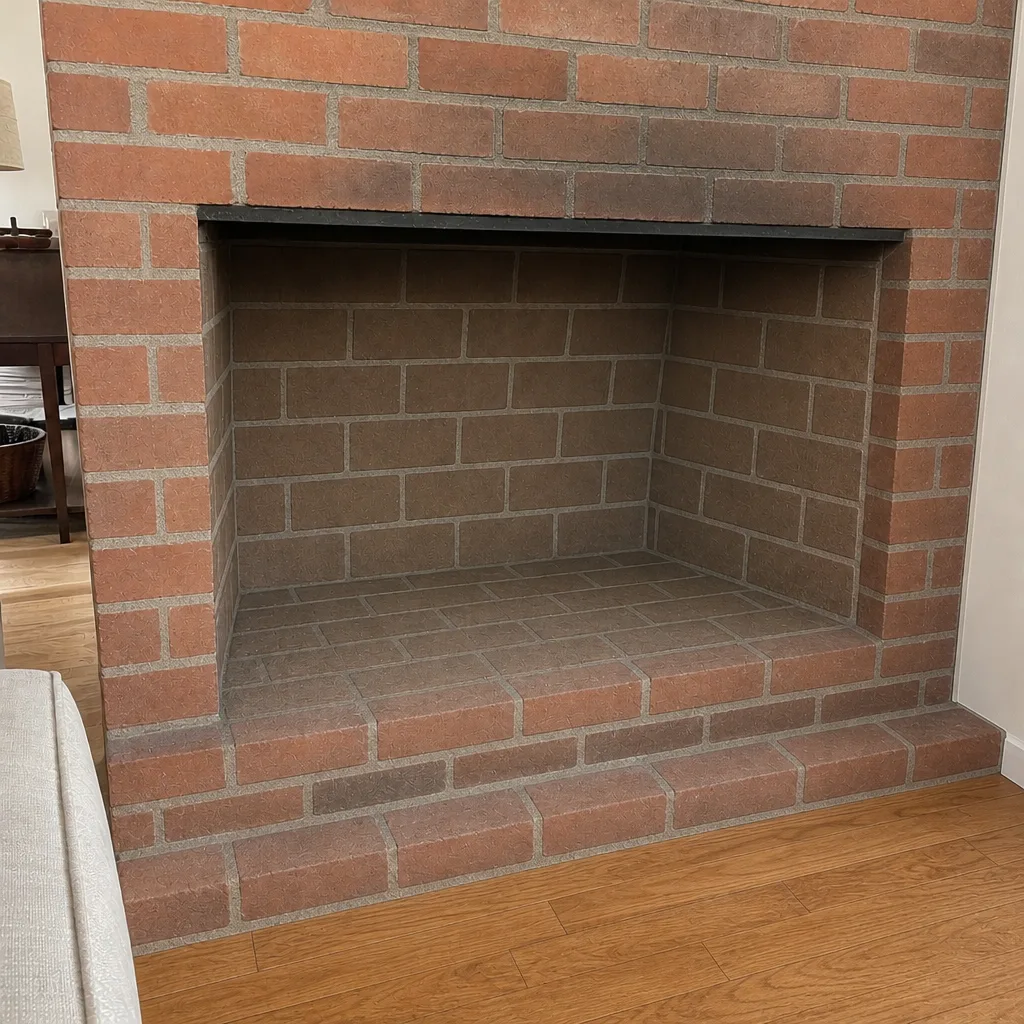
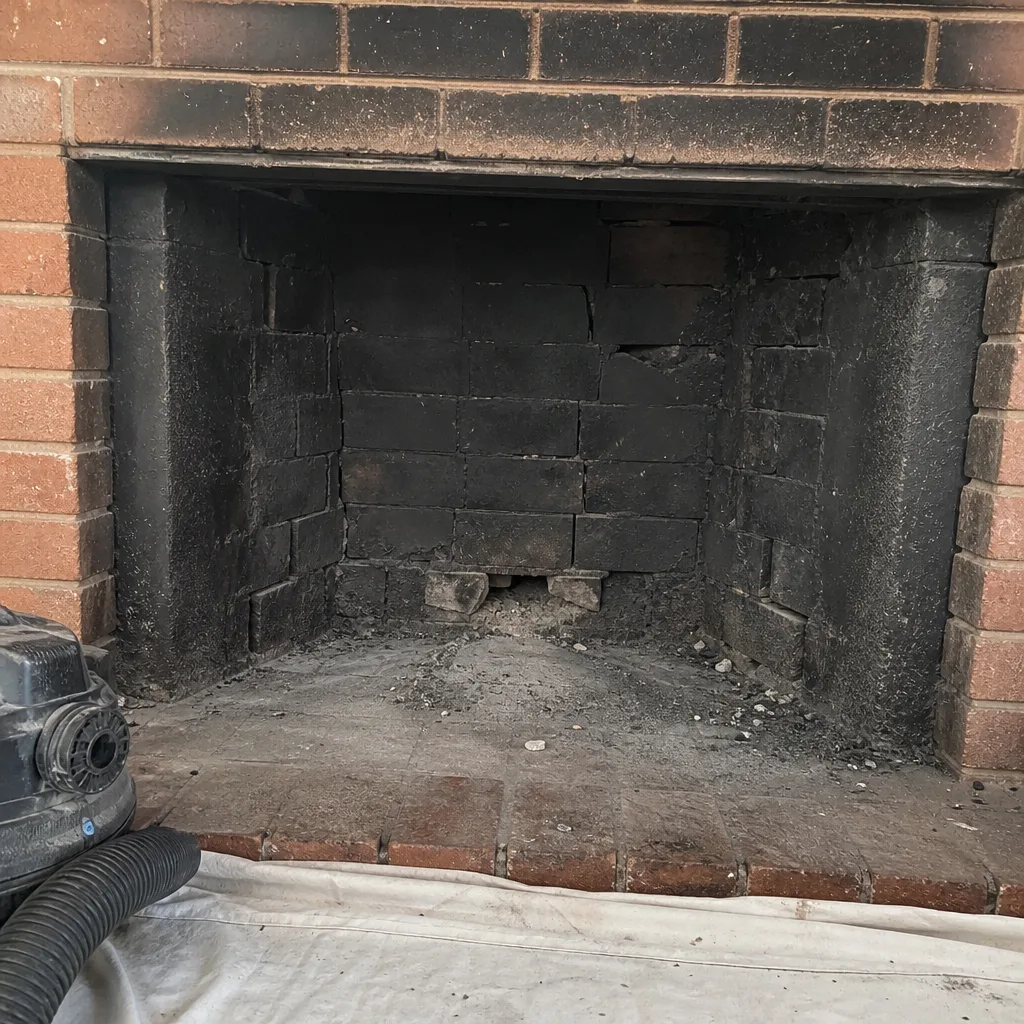
See the difference
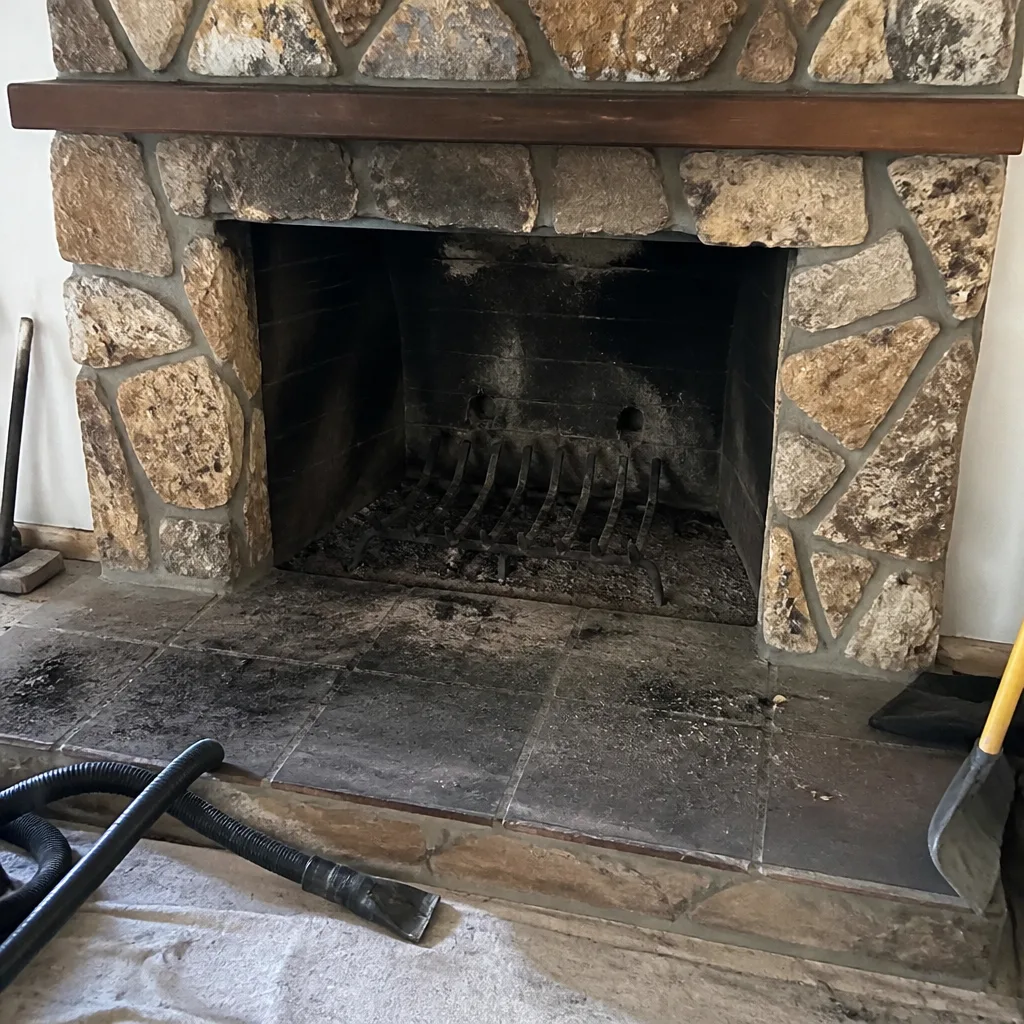 Before
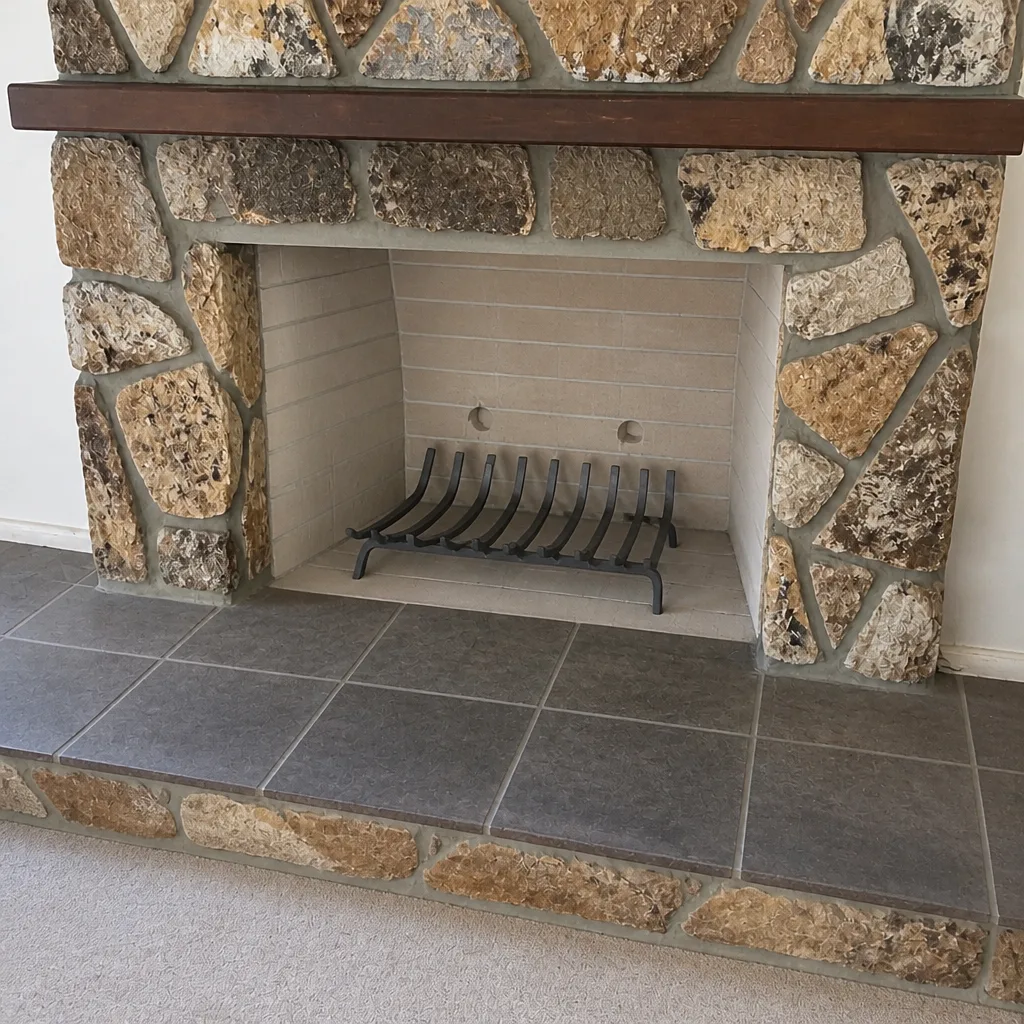 After
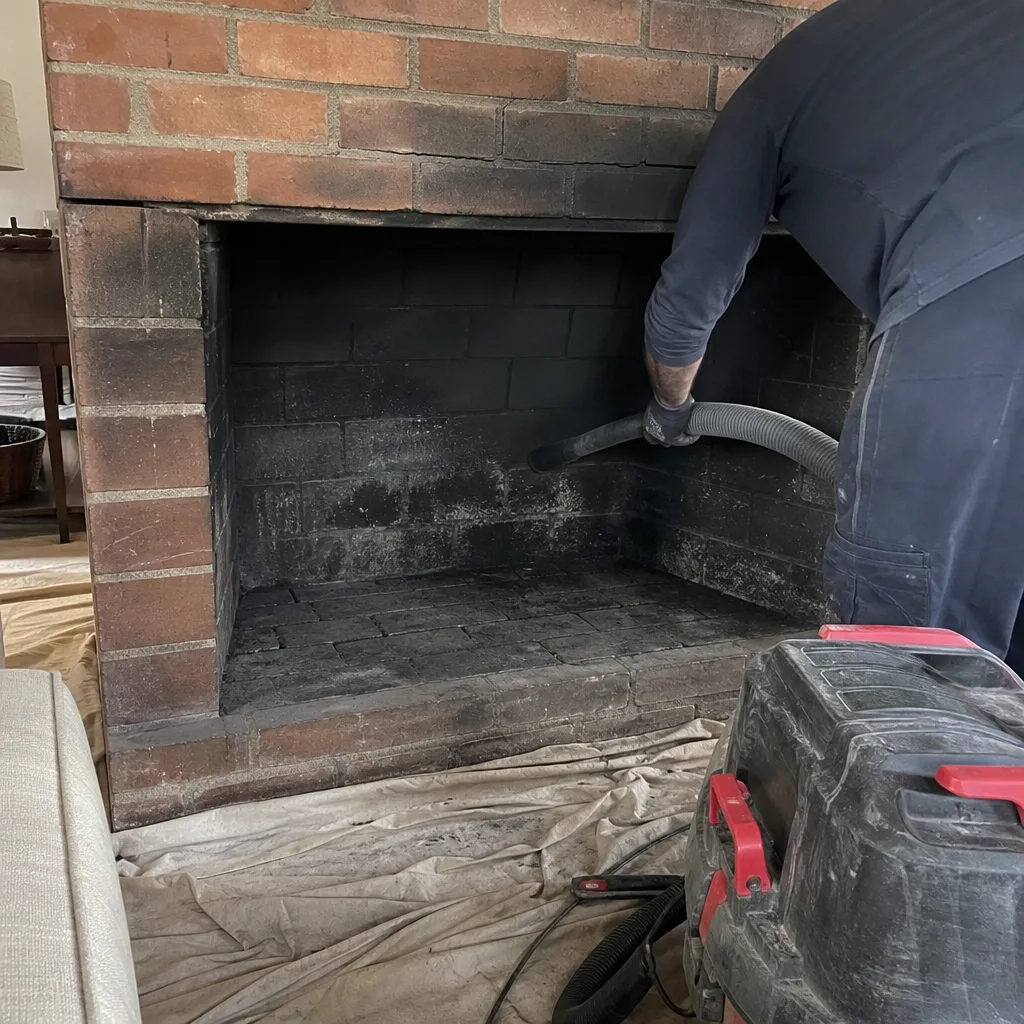 Before
 After
 Before
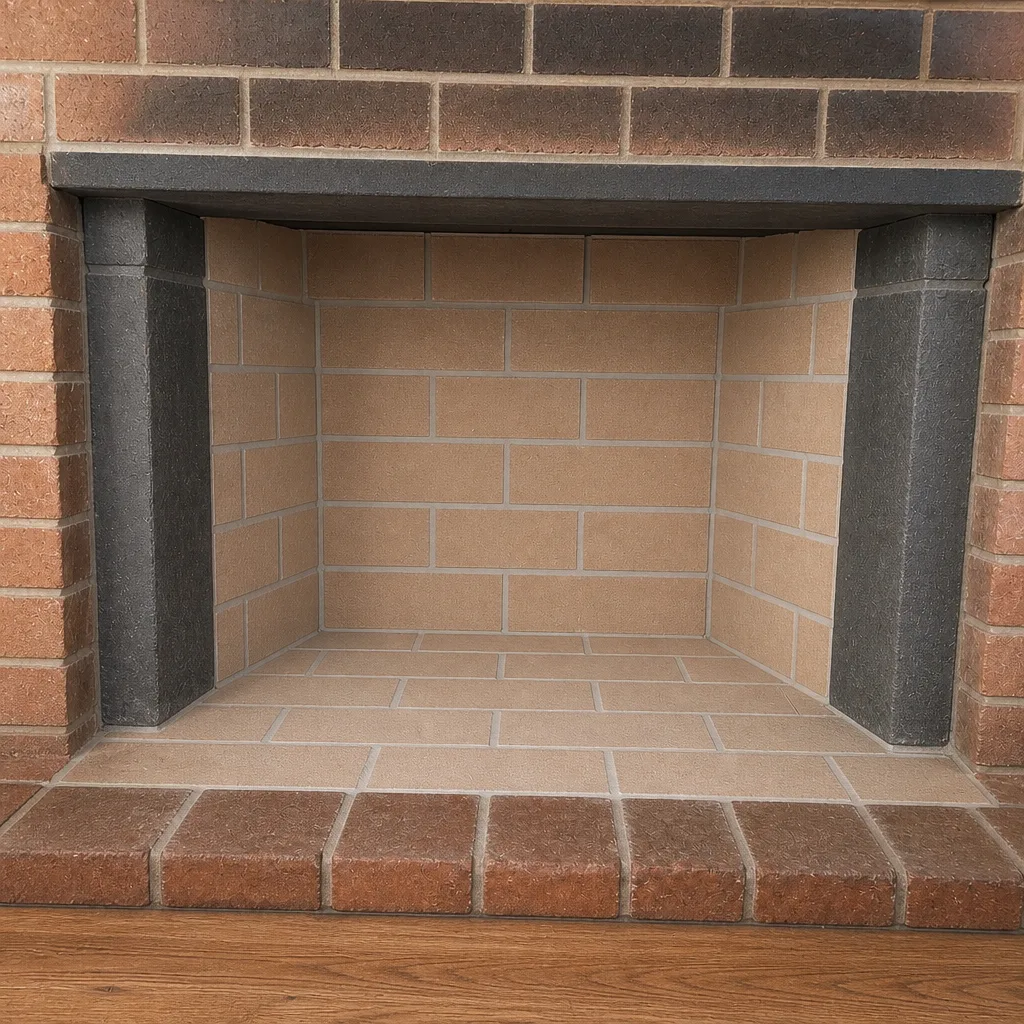 After