
Last updated November 4, 2026
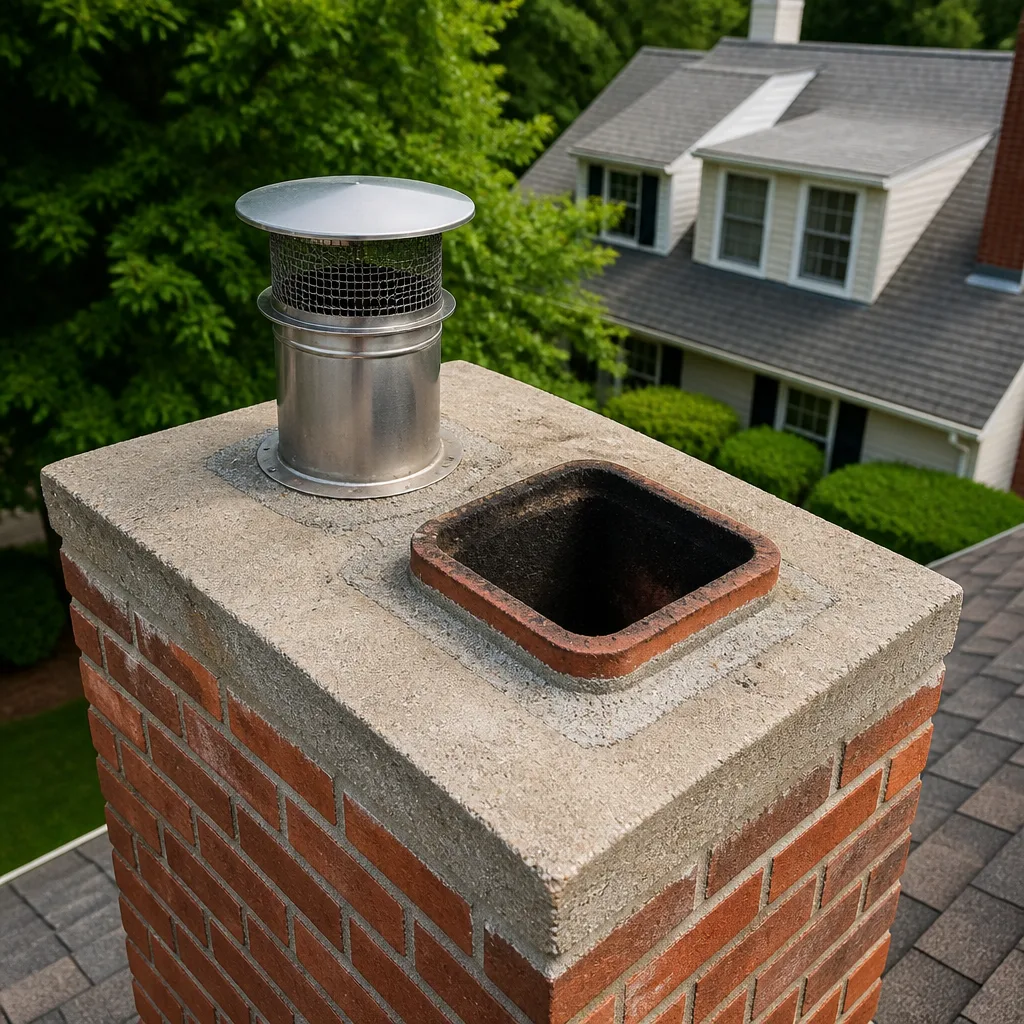 Sweep & inspection
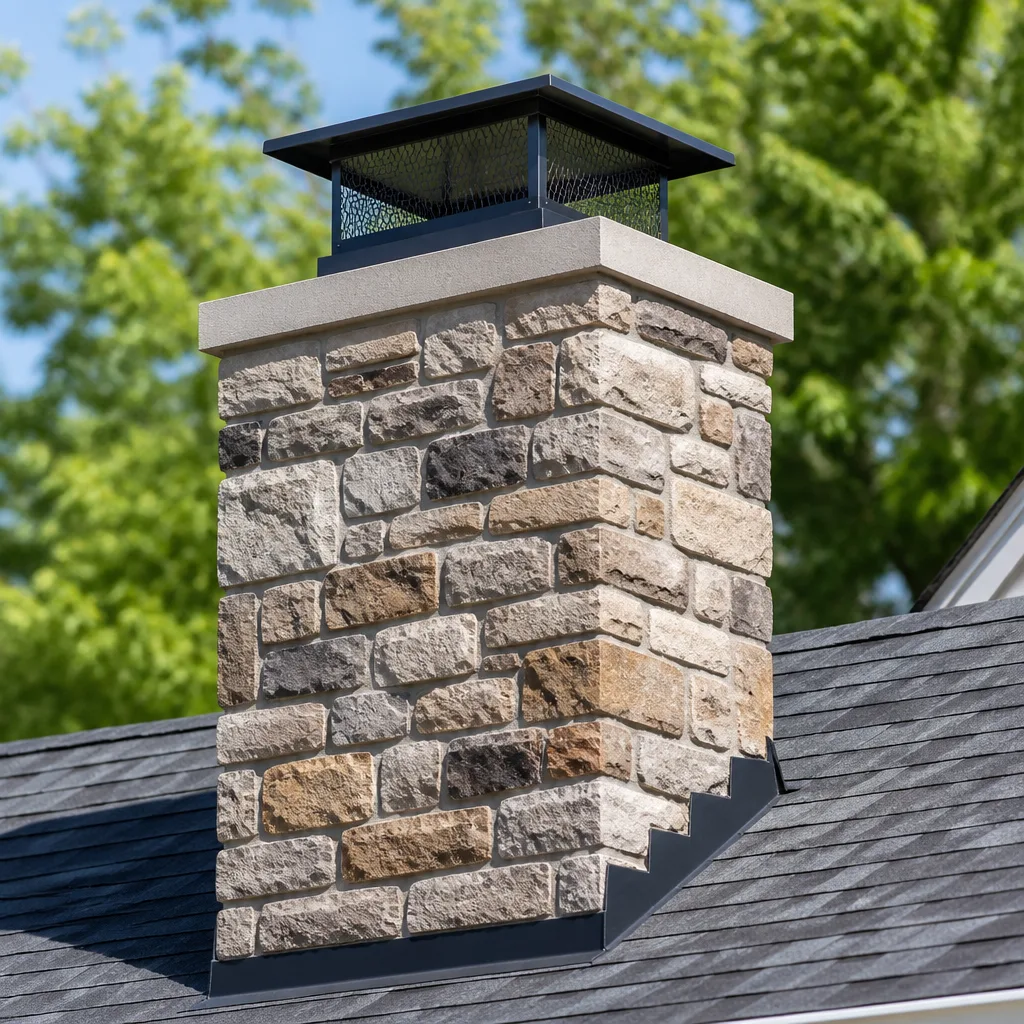 Caps & crowns
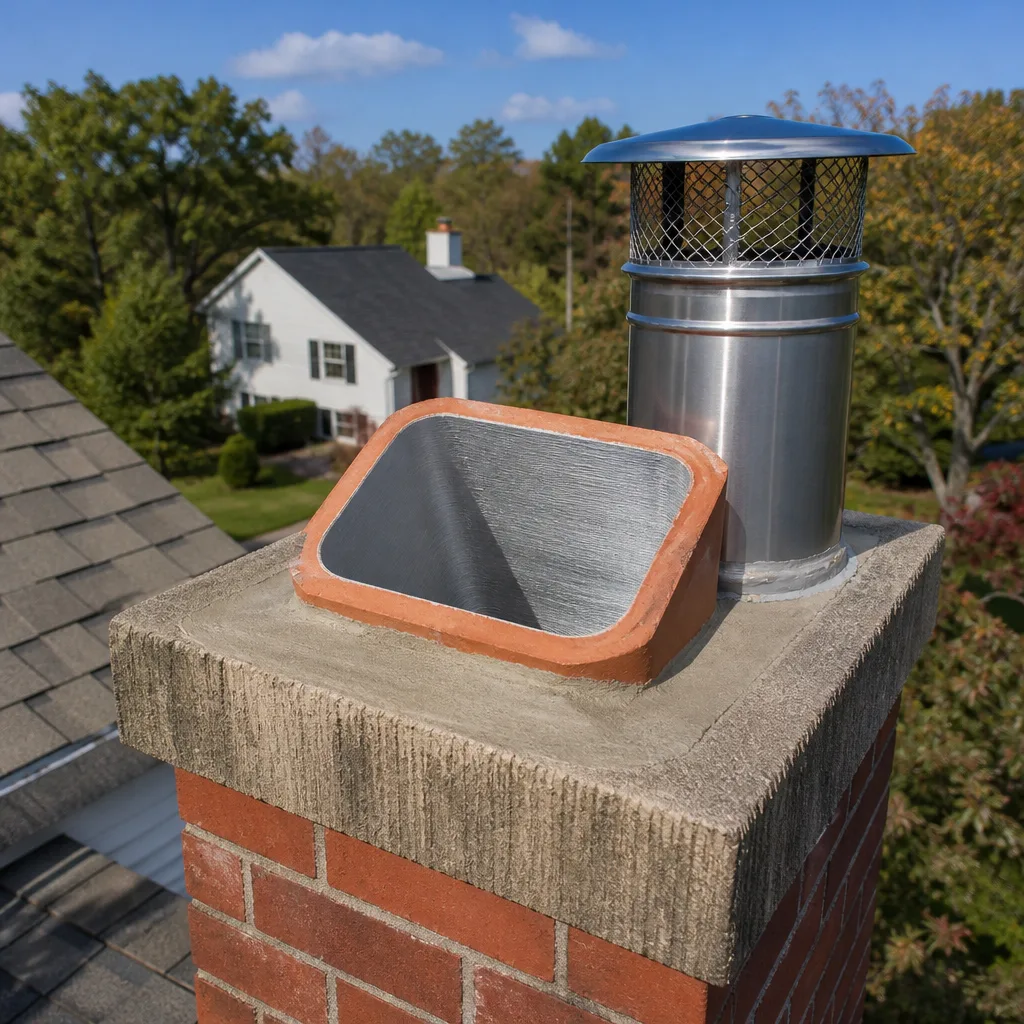 Flue relining
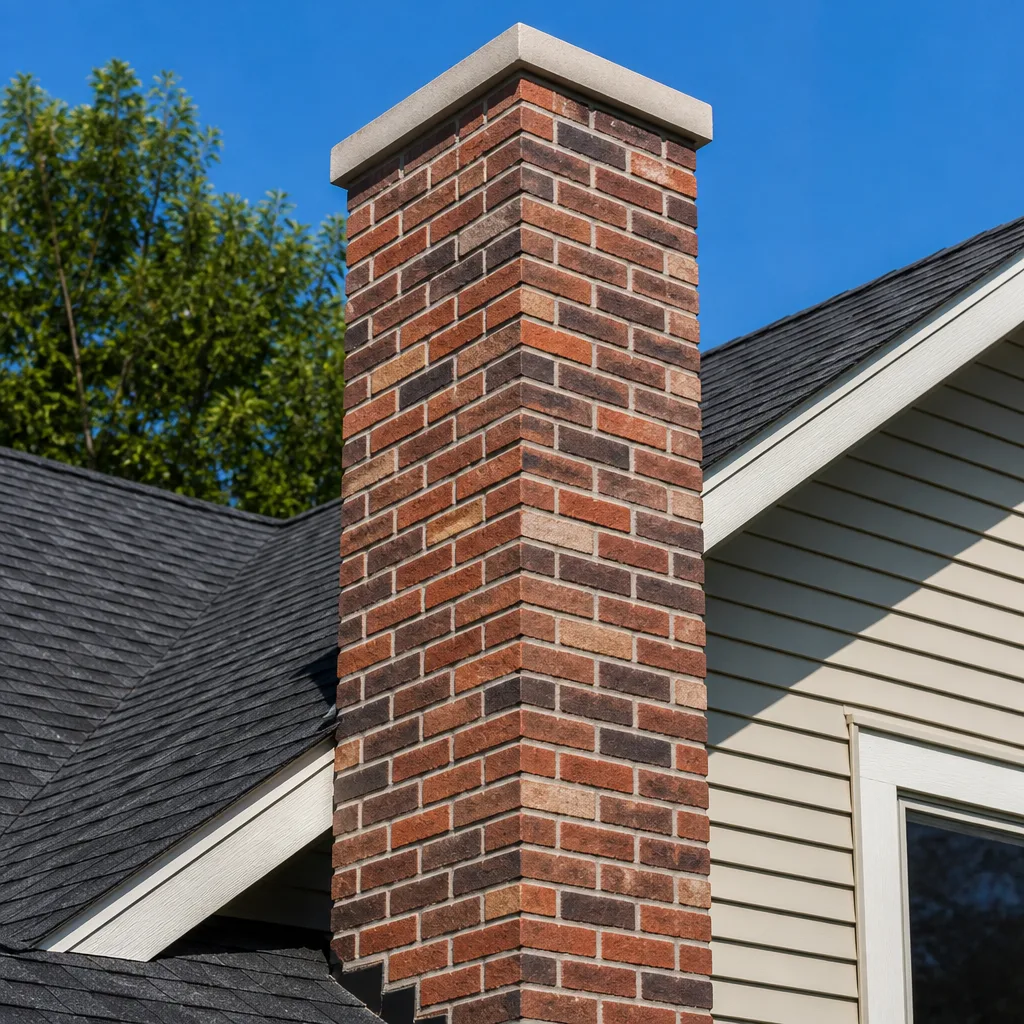 Masonry repair
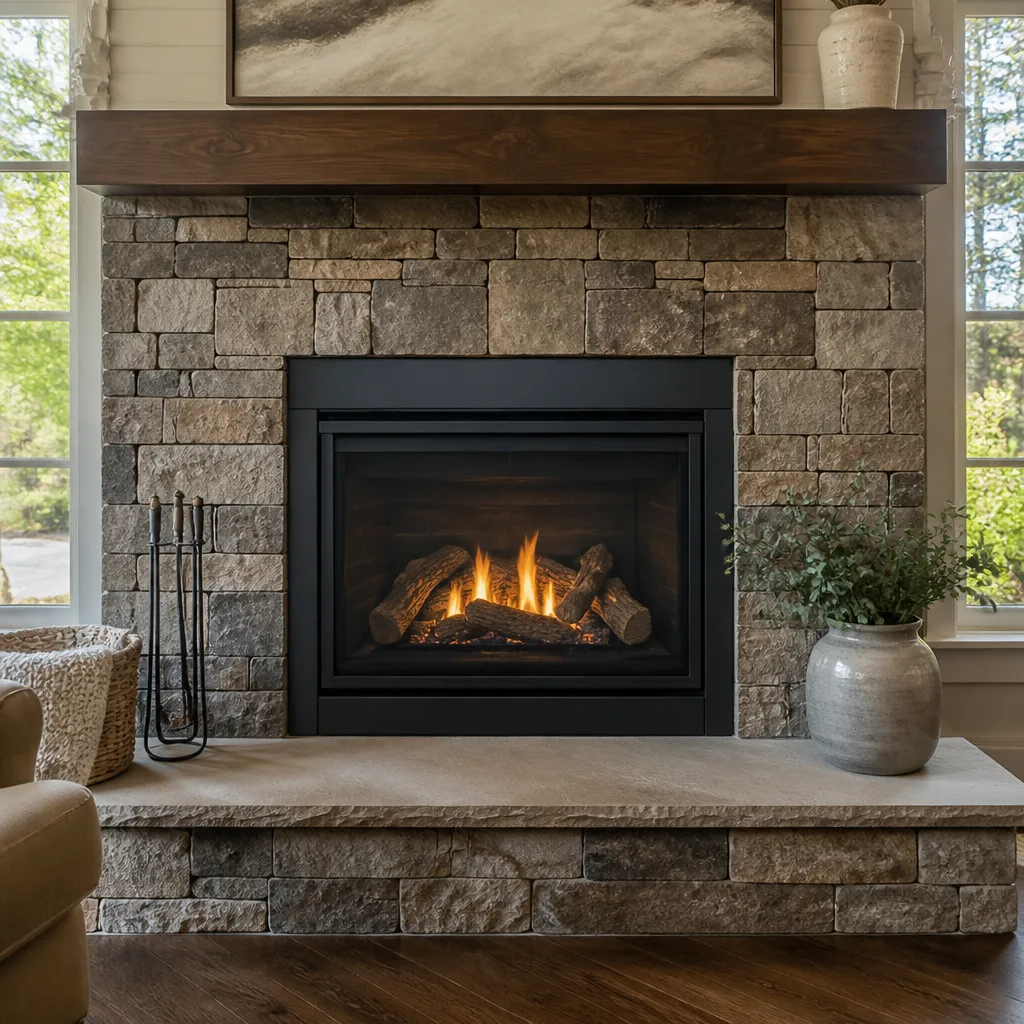 Gas fireplace service
Level 1 sweep and inspection to the NFPA 211 annual standard - flue, crown, cap, and flashing checked and photographed
Chimney sweep logs do not sweep chimneys. They loosen some creosote - which then falls where a brush and vacuum still have to collect it.
Chimney Cleaning Permits, Codes & Inspections in Ventura, CA: What You Need to Know
Most homeowners in Ventura assume a chimney cleaning is just routine maintenance with no paperwork. That assumption holds true right up until a sweep uncovers a cracked flue liner, and suddenly you’re looking at a repair that should have had a permit. The permit isn’t the expensive part. The expensive part is discovering during escrow that prior work was never documented, forcing a seller disclosure you didn’t plan on. This guide walks through exactly where the permit line sits in Ventura County, what California’s building and energy codes actually require, and how to verify your chimney’s paperwork before it becomes someone else’s problem.
Styles & brands we work with
- Sweep & inspection
- Caps & crowns
- Flue relining
- Masonry repair
- Gas fireplace service
Quick Answer
Routine chimney sweeping and minor repointing in Ventura do not require a permit. A building permit is typically triggered by structural repairs: flue liner replacement, firebox rebuilding, or converting an appliance’s fuel type. The technical standard inspectors reference is NFPA 211, and in high fire hazard severity zones the Ventura County Fire Department adds inspection requirements before wood-burning appliances can be used.
Table of Contents
- Which Chimney Services Are Permit-Exempt in Ventura County
- Which Chimney Repairs Trigger a Building Permit
- NFPA 211: The Standard Inspectors Actually Reference
- How California Title 24 Affects Chimney Dampers and Weatherization
- High Fire Hazard Severity Zones: What Ventura County Fire Requires
- Verifying Permitted Chimney Work When Buying a Home in Ventura
- Common Mistakes to Avoid
- When to Call a Professional
- Frequently Asked Questions
- The Bottom Line
Which Chimney Services Are Permit-Exempt in Ventura County
Most of what a chimney sweep does on a routine visit falls under maintenance, not construction. Ventura County follows the California Building Code, which exempts ordinary repairs and maintenance from permitting. In our experience, that includes sweeping, creosote removal, minor repointing of loose mortar joints, replacing a damper plate, and installing a new chimney cap when the flue itself remains unchanged.
The key word here is “minor.” Repointing a few square feet of deteriorated mortar between bricks is maintenance. Rebuilding an entire chimney crown or replacing structural masonry is not. The distinction matters because a permit isn’t just bureaucracy. It creates a paper trail that confirms the work met code at the time it was done, which is exactly what buyers and insurers look for later.
Permit-exempt chimney work typically includes:
- Routine sweeping and creosote removal from the flue and smoke chamber
- Minor repointing of loose or missing mortar joints on the exterior chimney
- Damper repair or replacement when the flue dimensions and liner remain untouched
- Chimney cap installation when it does not involve structural modification
- Camera inspection and written condition assessment
Ventura’s Mediterranean climate means chimneys here don’t face the moisture cycling that degrades masonry in colder regions. What we do see is creosote buildup from the burning season, simple wear on dampers from years of use, and mortar deterioration from age. None of that needs a permit. But when an inspection finds something deeper, the conversation shifts.
Which Chimney Repairs Trigger a Building Permit
The line between maintenance and construction in Ventura County is drawn by the California Building Code and the Ventura County Building and Safety Division. A permit is required when the repair changes the structure of the chimney or the way combustion gases are conveyed. That means liner replacement, firebox rebuilding, flue resizing, and converting between fuel types.
Here’s the part that surprises homeowners: a relining job is structural work even when the exterior brick never changes. The flue liner is the pressure boundary that protects the surrounding house from heat and combustion gases. When a liner cracks or deteriorates to the point of replacement, the repair must be inspected to confirm it meets clearance and material standards.
Chimney services that typically require a permit in Ventura:
- Flue liner replacement or installation, including flexible liner systems
- Firebox rebuilding that involves removing and replacing firebrick or refractory panels
- Conversion of an appliance’s fuel type, such as switching from wood to gas logs
- Chimney rebuilds that involve more than minor masonry repair
- Structural hearth repairs that alter the floor assembly beneath the appliance
When liner damage is localized rather than total, restoration methods approved by the manufacturer and recognized by inspectors can sometimes bring the flue back to serviceable condition without a full teardown. Restore-first approaches like HeatShield ceramic resurfacing can, in some cases, avoid the scope of work that would otherwise trigger a full liner replacement permit. The local building department is the authority on whether a specific repair needs a permit, so asking before work starts is always the safer route in Ventura.
NFPA 211: The Standard Inspectors Actually Reference
NFPA 211 is the National Fire Protection Association standard for chimneys, fireplaces, vents, and solid fuel-burning appliances. It’s not a law itself. But building officials and fire inspectors in Ventura County use it as the authoritative reference when determining whether a chimney is safe to operate. Understanding what it requires can save you from a failed inspection.
The standard sets requirements for clearance distances, liner condition, and the structural integrity of the chimney system. A chimney with a cracked flue liner, missing mortar, or insufficient clearance to combustible framing fails NFPA 211 regardless of whether it “looks fine” from the outside. In Ventura homes built decades ago, it’s not uncommon for us to find chimneys that met code in their era but fall short of current clearance requirements.
Key NFPA 211 requirements inspectors look for:
- Liner condition: The flue liner must be free of cracks, gaps, or deterioration that could allow heat and gases to escape
- Clearance to combustibles: Wood framing and other combustible materials must maintain the required distance from the chimney’s exterior
- Spark arrestor: Chimneys serving solid fuel appliances must have an effective spark arrestor at the top
- Appliance connector: The pipe connecting the appliance to the chimney must be properly sized and secured
When we inspect a chimney after a sweep, we’re checking it against NFPA 211 criteria, not just whether creosote was removed. A clean chimney with a failed liner is still a hazard. That’s why camera inspection matters: it documents the condition before any recommendation is made.
How California Title 24 Affects Chimney Dampers and Weatherization
California’s Title 24 energy code touches chimneys in ways most homeowners don’t expect. The code’s weatherization and energy efficiency provisions affect damper sealing when a home undergoes certain energy upgrades. A damper that leaks air when closed is an energy loss point, and Title 24 compliance can require that it be corrected as part of weatherization work.
What this means practically in Ventura: if you’re having weatherization upgrades done under a program that requires Title 24 compliance, your chimney damper may need to seal tightly enough to prevent conditioned air from escaping. That doesn’t automatically mean replacing the damper. It does mean the damper’s sealing performance becomes a documentation point, not just a preference. Ventura’s mild winters mean the heating season is shorter than in the interior, but the code applies evenly across climate zones.
The permit angle here is indirect. Title 24 itself doesn’t create a chimney permit requirement. But when a weatherization contractor or energy auditor flags the chimney as part of a broader compliance scope, the repair that follows might. A damper replacement alone is usually maintenance. Adding a top-sealing damper or modifying the chimney for airtight performance can cross into structural territory depending on the scope.
High Fire Hazard Severity Zones: What Ventura County Fire Requires
Parts of Ventura County fall within designated High Fire Hazard Severity Zones, or HFHSZ. The Ventura County Fire Department enforces additional requirements for wood-burning appliances in these zones because ember intrusion and chimney sparks are a wildfire ignition risk that doesn’t exist in the same way in lower-risk areas.
If your home is in an HFHSZ, the fire department may require an inspection of the chimney and spark arrestor before the burning season begins. The requirement is not about routine sweeping. It’s about confirming that the chimney system won’t emit embers that could ignite vegetation or structures nearby. A missing or damaged spark arrestor in these zones is typically a correction item, and the correction may need to be documented with the fire authority.
Checking your zone is straightforward. Ventura County publishes HFHSZ maps, and your homeowner’s insurance provider also tracks this data. If you’re not sure whether your property falls within the zone, the fire department is the authority. We’ve found that many Ventura homeowners are surprised to learn their neighborhood qualifies, especially in the hillside communities where vegetation is denser.
Steps to confirm your HFHSZ status in Ventura County:
- Check the Ventura County Fire Department’s published hazard zone maps
- Verify with your homeowner’s insurance provider, which typically tracks this data
- If located in an HFHSZ, schedule a chimney inspection before the burning season
- Confirm your spark arrestor is intact and meets current requirements
- Keep documentation of the inspection with your home records for future disclosure
Verifying Permitted Chimney Work When Buying a Home in Ventura
Real estate in Ventura moves quickly, and chimney permits are rarely the first thing a buyer thinks about during escrow. But this is exactly the moment when unpermitted chimney work surfaces, and it usually surfaces through the home inspection. An inspector notes that the flue liner appears to have been replaced, and the seller can’t produce a permit. Now you’re renegotiating or walking away.
Verifying prior chimney permits is a matter of checking with the Ventura County Building and Safety Division. Permit records are public, and a title company or escrow officer can typically pull them. What you’re looking for is any permit associated with the chimney address that covers liner work, firebox work, or fuel conversion. If a permit exists, the work was inspected and signed off at the time.
If no permit exists but the work appears recent, you have options. You can ask the seller to obtain a retroactive permit, though that requires opening walls or masonry for inspection and isn’t always practical. You can adjust the price to reflect the work you’ll need to do to correct it. Or you can walk away. The important thing is knowing before closing, not after.
How to verify chimney permits when buying a home:
- Request a permit history from the Ventura County Building and Safety Division
- Ask the seller directly about any chimney work performed during their ownership
- Review the home inspection report for evidence of liner replacement or firebox work
- If unpermitted work is found, discuss remediation options with your realtor before closing
- Keep all documentation with your home records, since the disclosure obligation transfers
This is a common issue in Ventura because so much housing stock dates from the 1950s through 1980s. Chimneys from that era are reaching the age where liner replacement becomes necessary, and not every previous owner pulled a permit. A little diligence during escrow prevents a disclosure headache later.
Common Mistakes to Avoid
- Assuming liner replacement is maintenance. It’s structural work that changes how combustion gases are conveyed. In Ventura County, that triggers a permit, and skipping it creates a disclosure problem when you sell.
- Ignoring the spark arrestor in high fire hazard zones. The Ventura County Fire Department enforces this in HFHSZ areas, and a missing arrestor is a correction item that can delay your burning season.
- Treating Title 24 as irrelevant to chimneys. Weatherization upgrades can bring your damper sealing performance into scope. A leaking damper isn’t just an energy loss, it’s a compliance point.
- Skipping the camera inspection before a liner recommendation. A visual sweep can’t confirm liner condition. If a company recommends liner work without camera evidence, get a second opinion.
- Failing to keep chimney paperwork with home records. The disclosure requirement transfers on sale. Permits, inspection reports, and repair invoices belong in the same file as your appliances.
- Accepting a “clean bill of health” without asking about NFPA 211. A clean chimney can still fail the standard if clearances are insufficient or the liner is compromised. Ask what standard the inspection used.
When to Call a Professional
If your chimney inspection reveals cracks in the flue liner, deteriorated firebox masonry, or you’re buying or selling a home in Ventura and need documentation of the chimney’s condition, that’s the time to bring in a professional. These aren’t cosmetic issues. A failed liner can allow combustion gases into the living space, and a deteriorated firebox can transfer heat to combustible framing. Both are preventable when caught early.
Chimney Sweep Ventura offers free estimates in Ventura and can inspect, document, and repair or restore chimney systems without handing you off to another contractor. We use the same material brands specified by certified chimney professionals nationwide, including DuraFlex for liner work and HeatShield for flue restoration. Call (877) 798-8581. We answer 24/7. Fast dispatch from 7am to 7pm, Sunday through Friday.
Frequently Asked Questions
No. Routine chimney sweeping and creosote removal are maintenance work and do not require a permit in Ventura. The permit question only arises when the cleaning uncovers structural damage, such as a cracked liner or deteriorated firebox, that requires repair work. Call (877) 798-8581 for a free estimate and camera inspection if you want to know your chimney’s condition before the burning season.
Flue liner replacement, firebox rebuilding, fuel type conversion, and structural chimney rebuilds typically require a building permit in Ventura County. Minor repointing, damper repair, and cap installation usually do not. Always confirm with the Ventura County Building and Safety Division before starting structural work.
NFPA 211 recommends a chimney sweep at least once per year, and that guidance applies in Ventura even though the burning season is shorter than in colder climates. The most important variable is creosote accumulation, which depends on how often you burn and what you burn. If you use the fireplace weekly during the cooler months, an annual sweep before the burning season is the right rhythm. Call (877) 798-8581 to schedule a sweep.
You risk discovering unpermitted chimney work during escrow, which can force a renegotiation or a failed deal. A home inspector who flags a liner replacement with no permit record creates a disclosure obligation for the seller and a financing complication for the buyer. The time to verify chimney permits is before closing, when the cost of correction is still negotiable.
Yes. The Ventura County Fire Department enforces additional requirements for wood-burning appliances in designated High Fire Hazard Severity Zones, including confirming that spark arrestors are intact and the chimney won’t emit embers. Check your zone status with the fire department or your insurer before the burning season.
Sometimes, yes. Ceramic resurfacing products like HeatShield can restore a deteriorated flue liner when the damage is not structural. A full liner replacement using a system like DuraFlex may still be necessary if the liner has collapsed or shifted. A camera inspection determines which path applies to your chimney. Call (877) 798-8581 for an exact assessment of your flue condition.
The Bottom Line
Chimney cleaning itself doesn’t need a permit in Ventura. The repairs that cleaning uncovers often do, and failing to pull one creates a problem that surfaces later, usually during escrow or an insurance review. Know where the line is: maintenance is free of permits, structural work is not. Verify your HFHSZ status with the fire department. Ask whether an inspection used NFPA 211 as its reference. Keep your paperwork. And if you’re not sure what your chimney needs, get a camera inspection before anyone recommends a major repair. In Ventura, that documentation is worth more than the permit itself.
Written by the team at Chimney Sweep Ventura, serving Ventura since 2011.
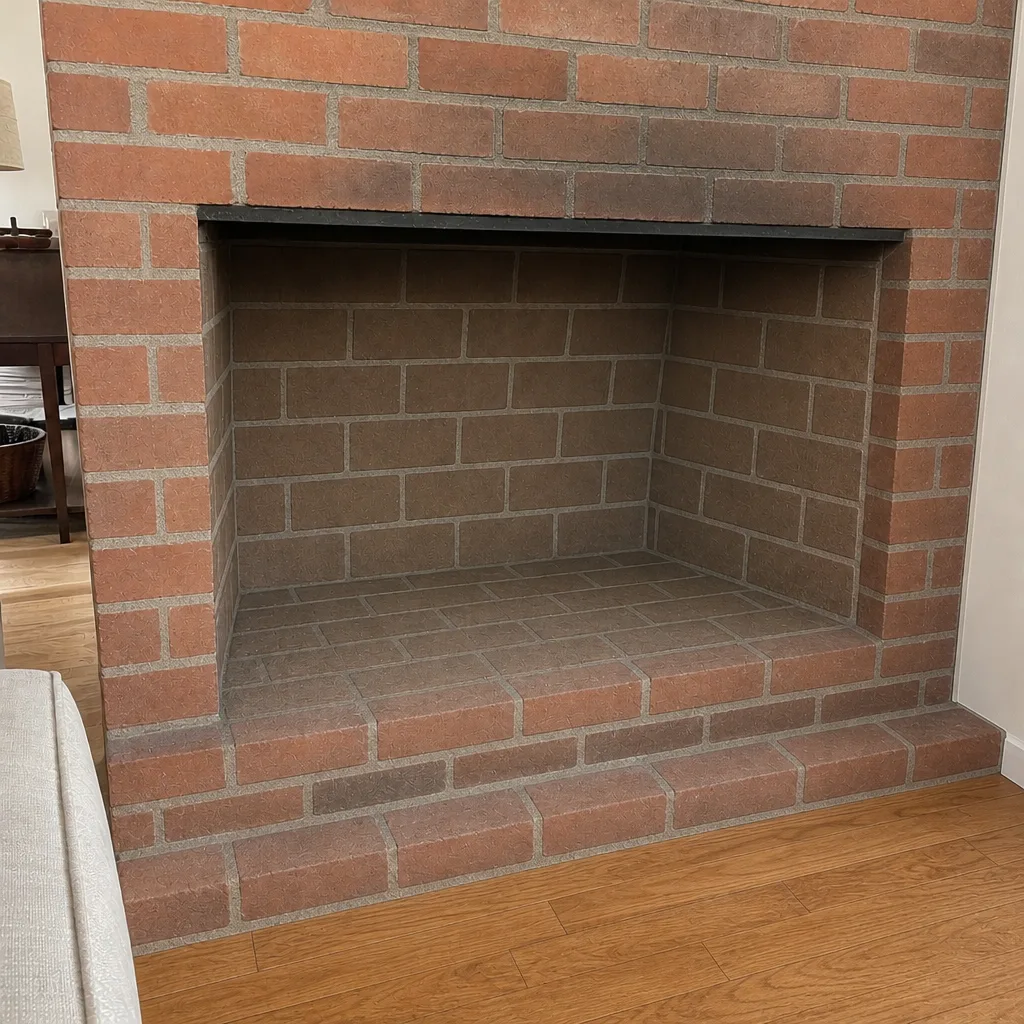
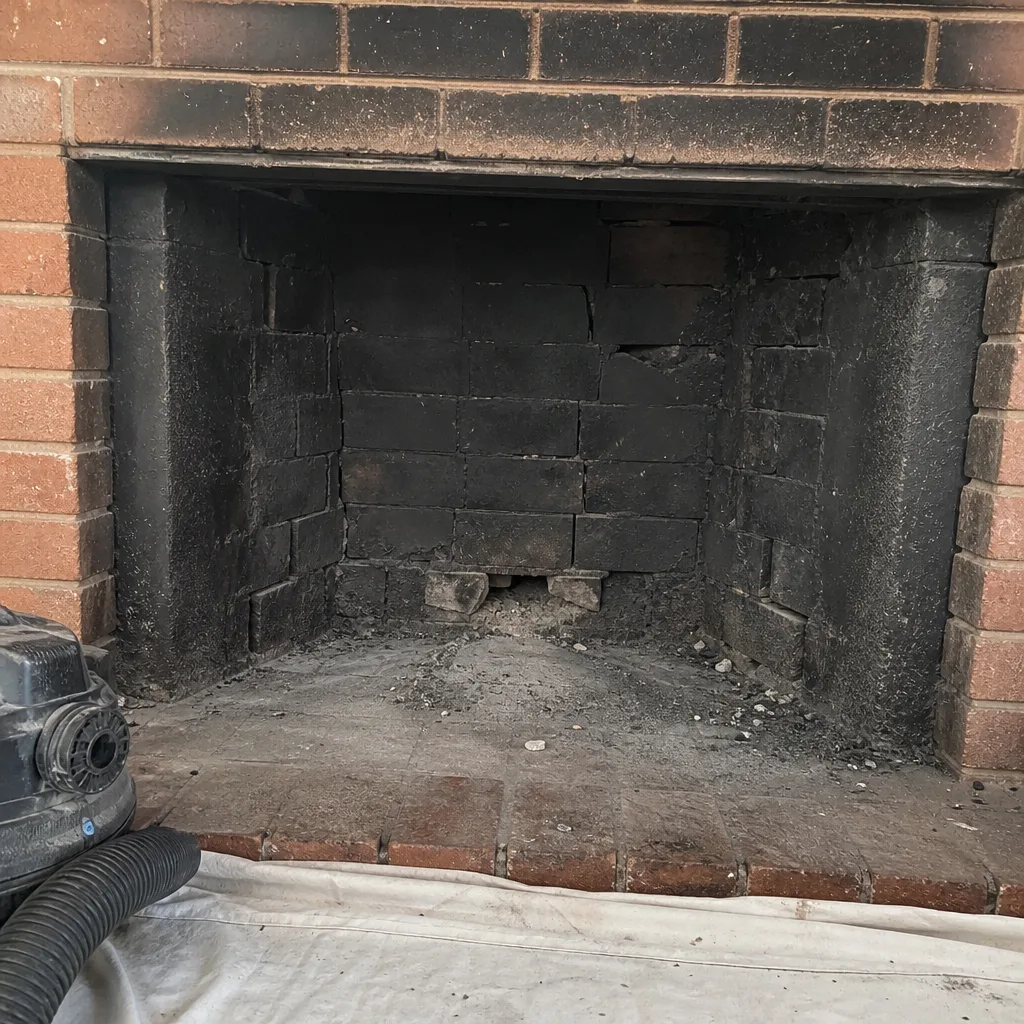
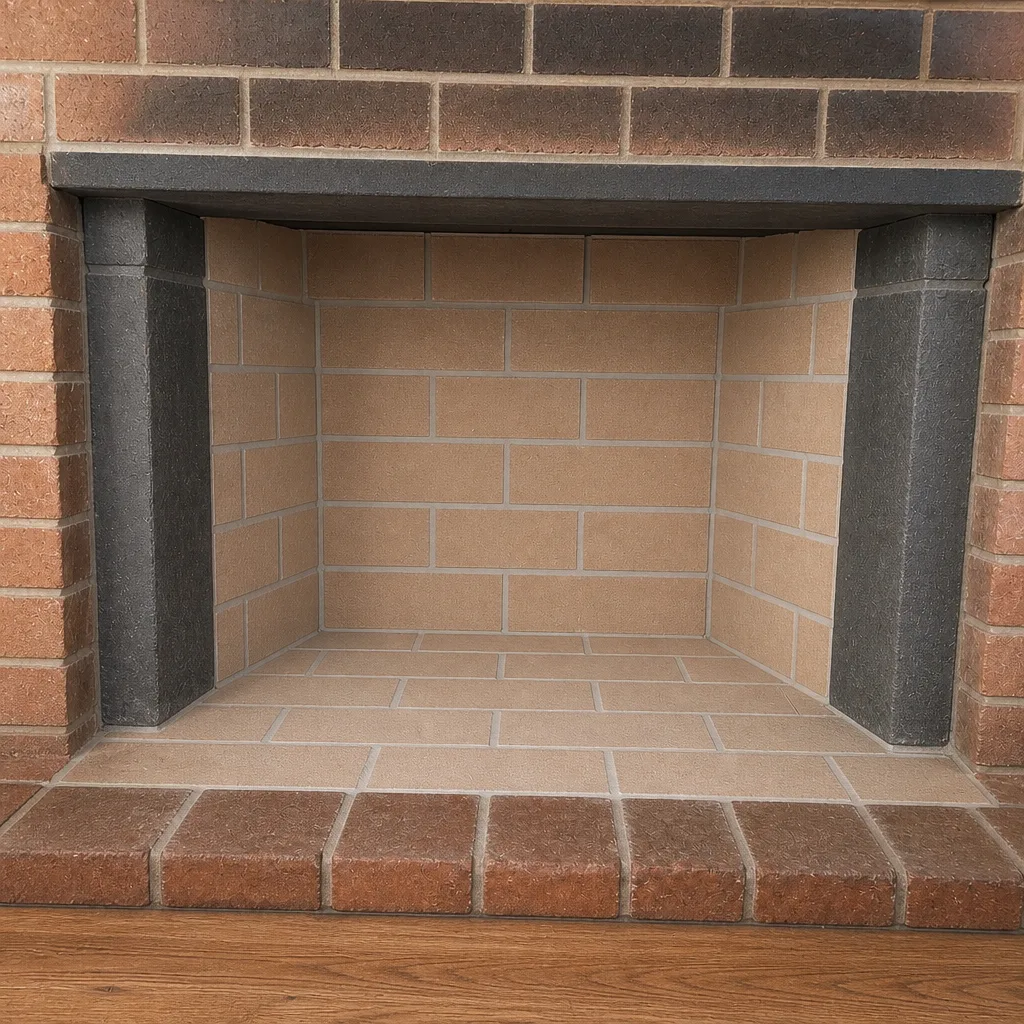
See the difference
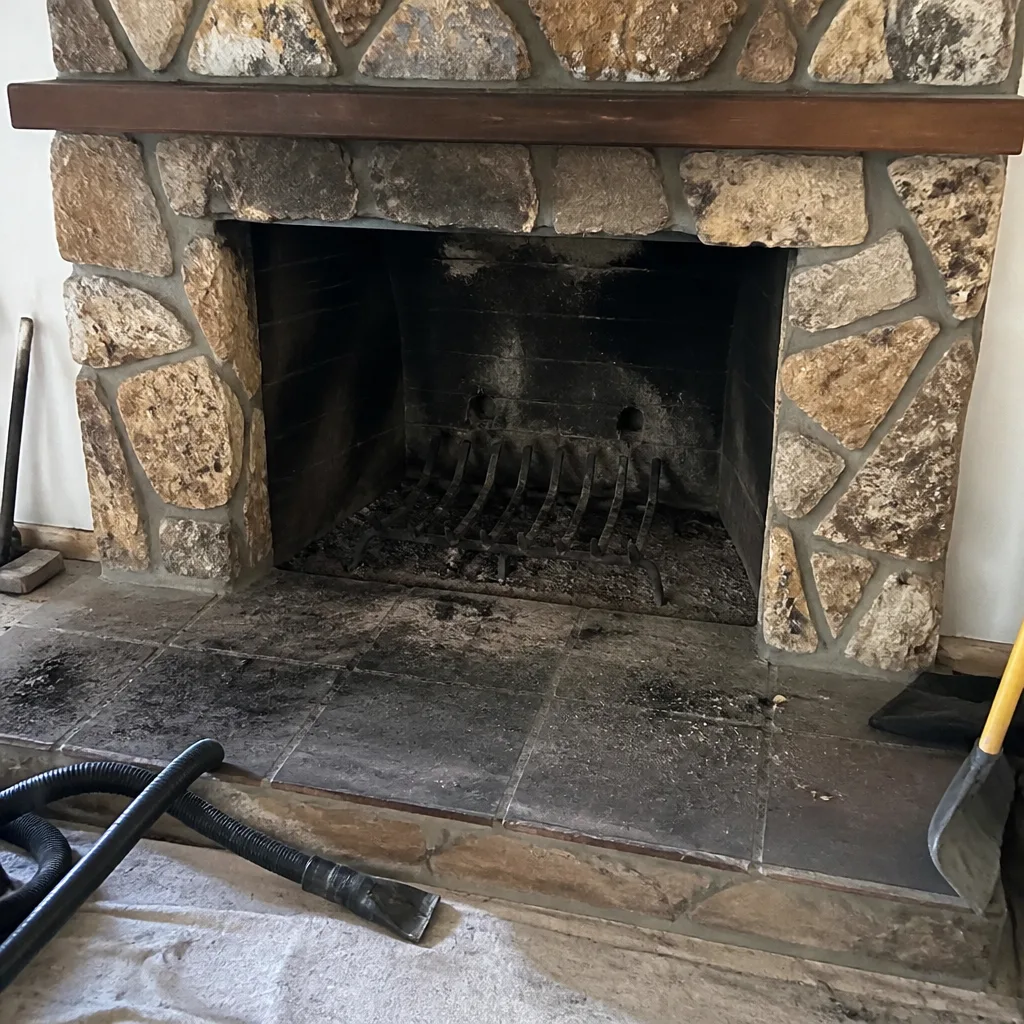 Before
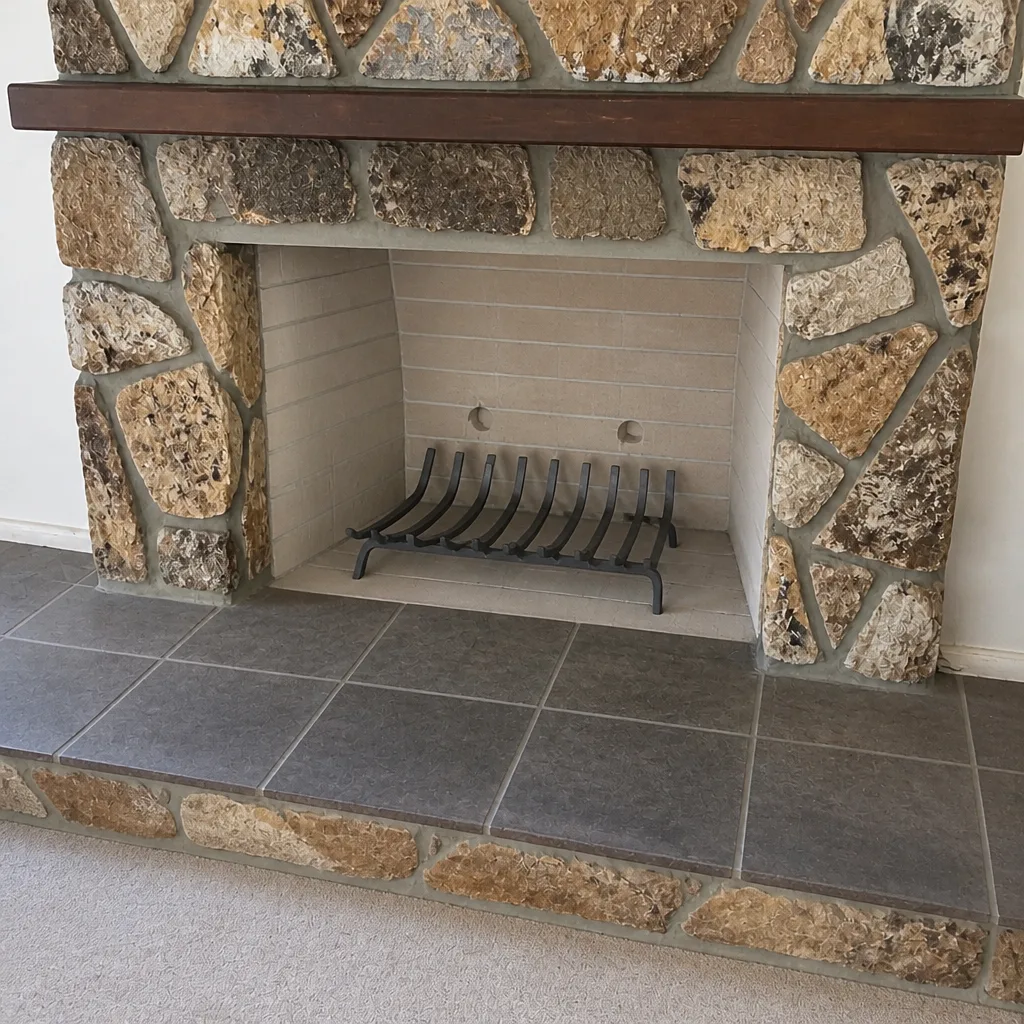 After
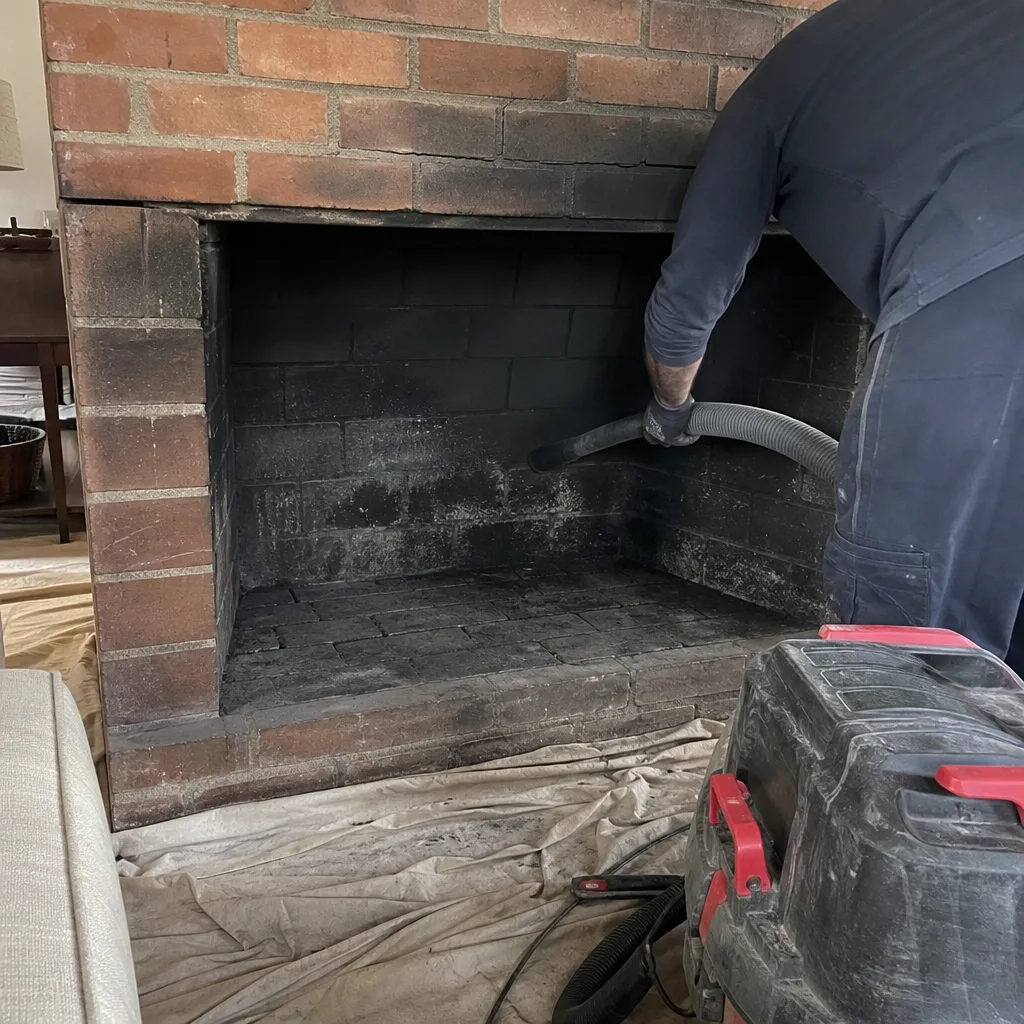 Before
 After
 Before
 After