
Last updated November 4, 2026
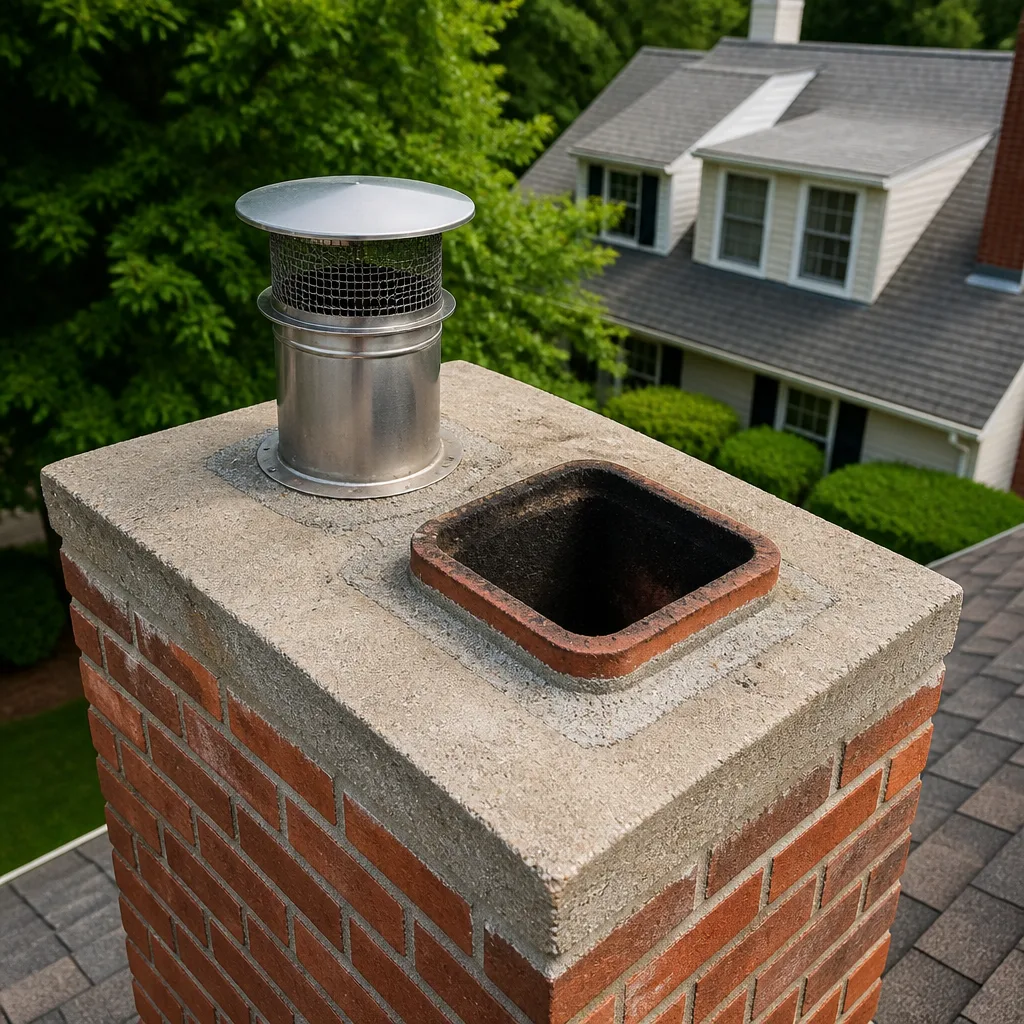 Sweep & inspection
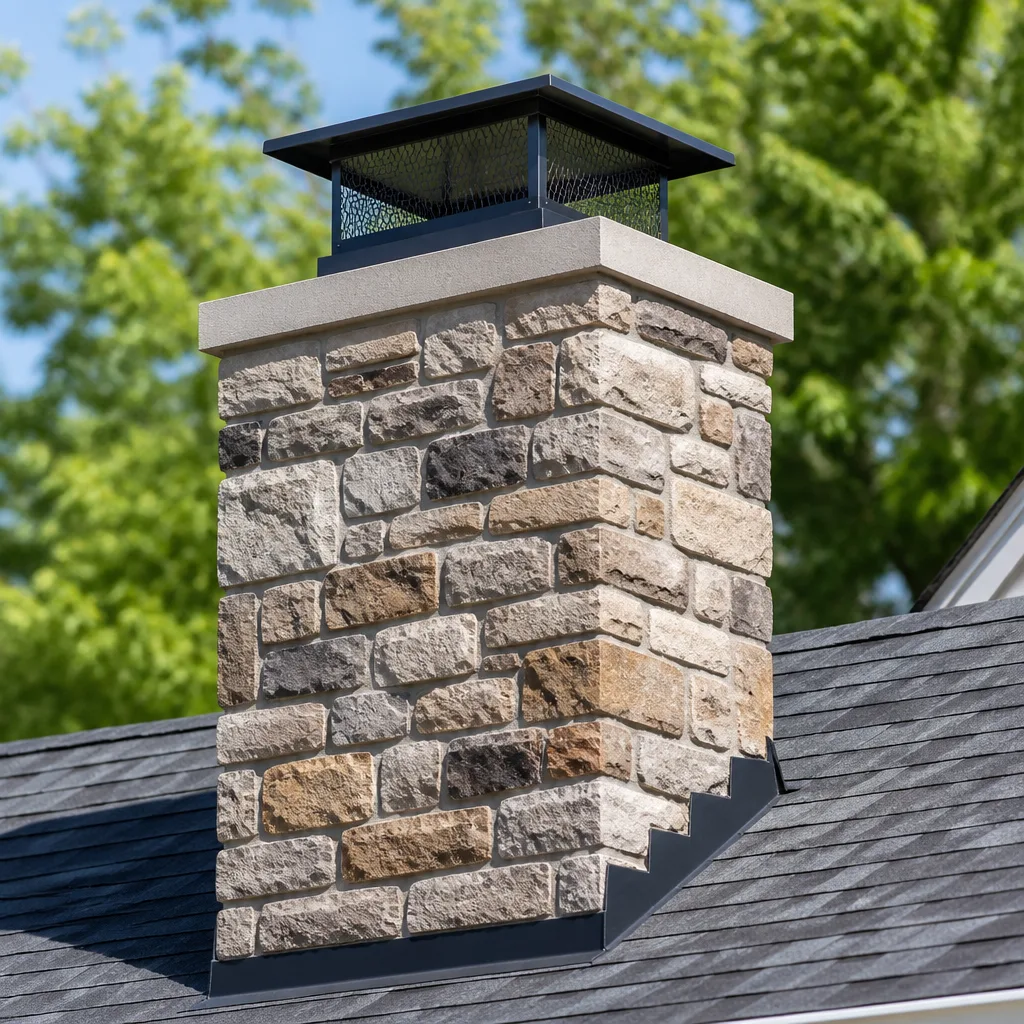 Caps & crowns
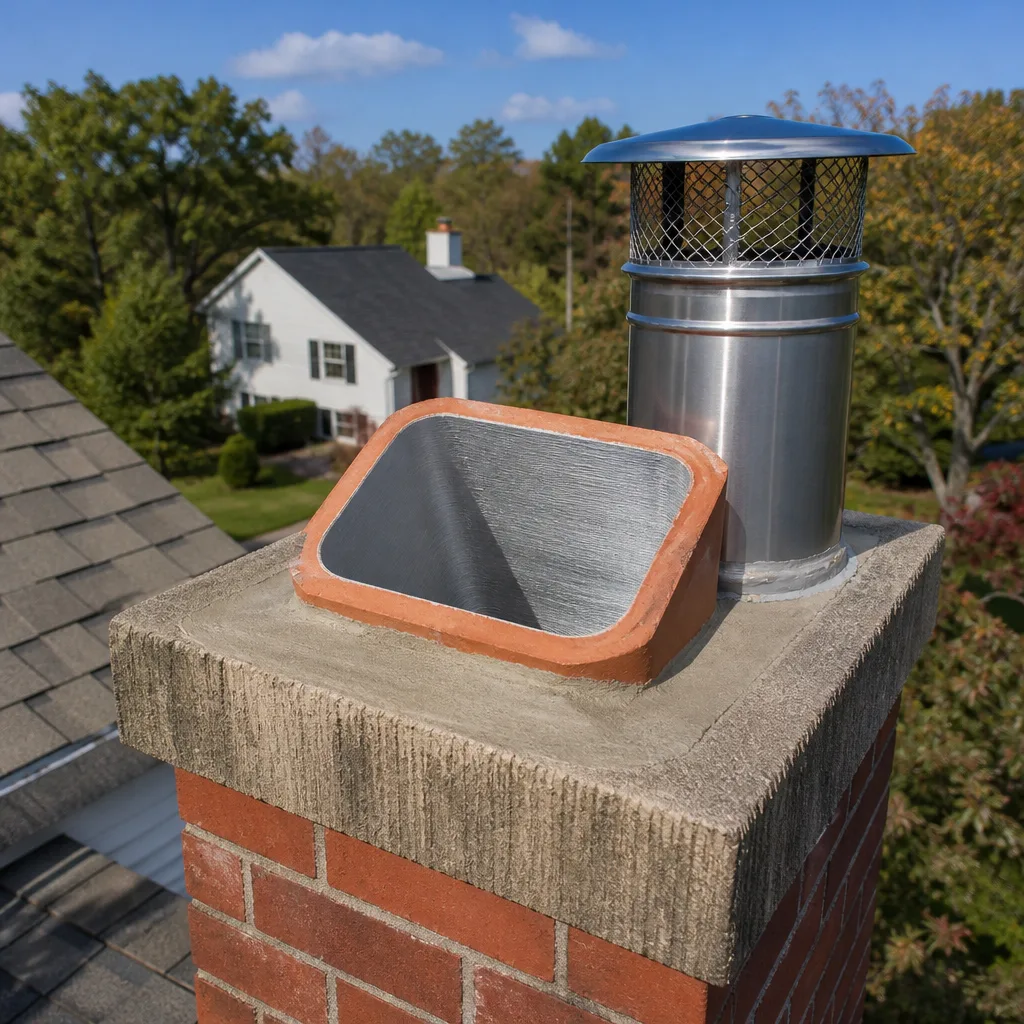 Flue relining
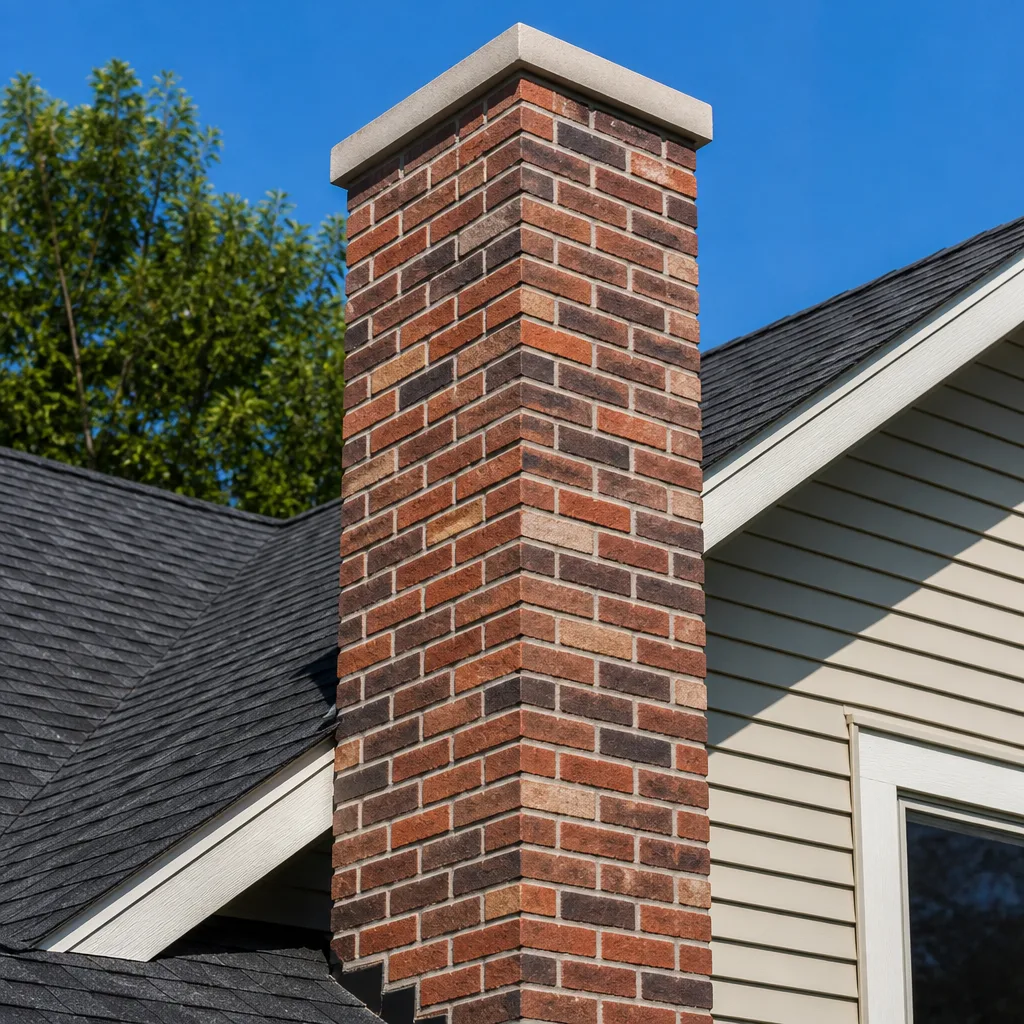 Masonry repair
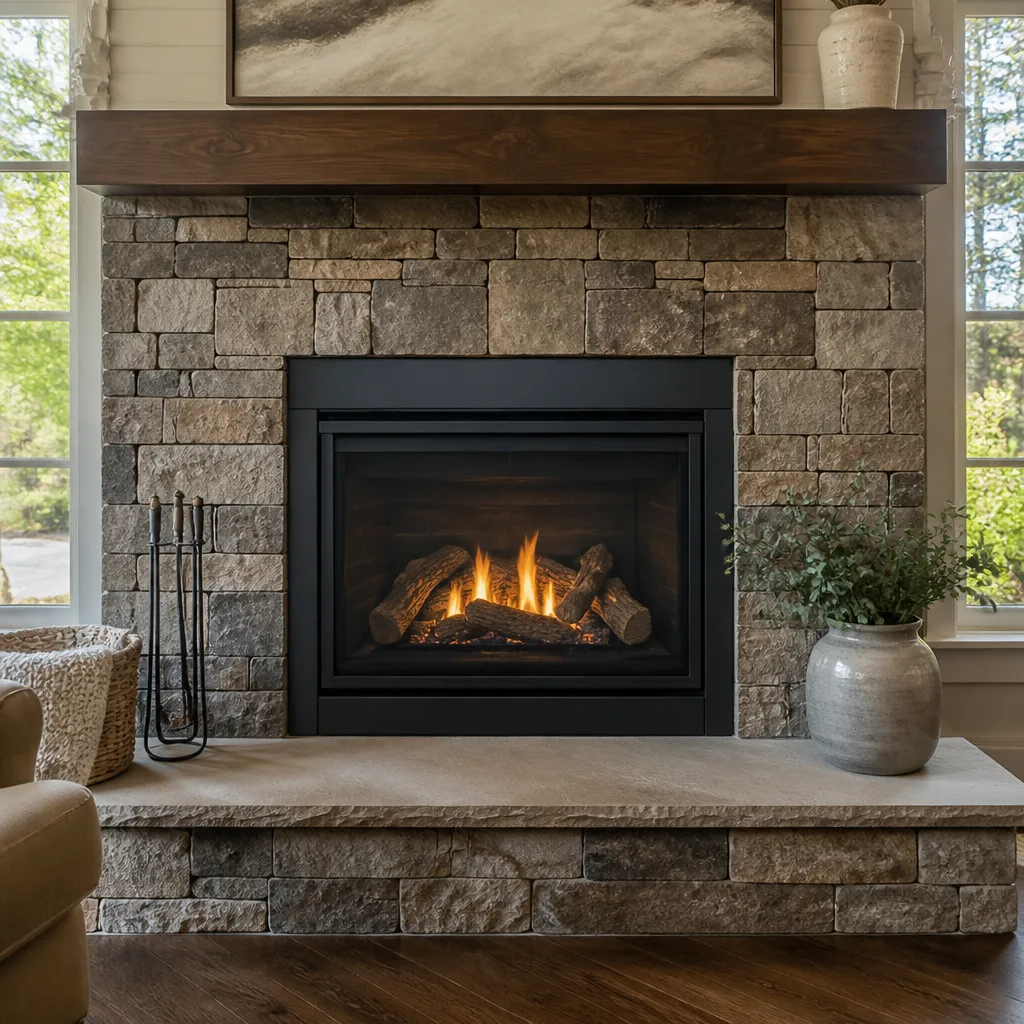 Gas fireplace service
Level 1 sweep and inspection to the NFPA 211 annual standard - flue, crown, cap, and flashing checked and photographed
Chimney sweep logs do not sweep chimneys. They loosen some creosote - which then falls where a brush and vacuum still have to collect it.
Chimney Sweep Maintenance Checklist for Ventura Homeowners
The single most skipped maintenance item in Ventura isn’t the flue. It’s the chase cover, that flat metal cap on top of a factory-built chimney. It corrodes faster within two miles of the coast than almost anywhere else in Southern California, and most homeowners never look at it until water is already running down the inside of the chase. This checklist walks through what actually wears out on Ventura chimneys, what to check after a wind event, and what you can safely inspect yourself versus what needs a camera or a ladder. You’ll learn the triggers that matter here: offshore winds, long summer dormancy, and older Craftsman and stucco homes that hide problems until they’re expensive.
Quick Answer
A practical chimney maintenance checklist for Ventura homeowners covers five areas: pre-season fireplace inspection after summer dormancy, post-wind-event checks after Santa Ana or Sundowner episodes, moisture inspection for spalling brick and rust staining, a clear split between what you can inspect from the firebox and what needs a professional, and a simple log of maintenance visits for insurance documentation. Most Ventura chimneys need a professional sweep and inspection once per year of regular use, and always after any wind event strong enough to rattle the cap.
Styles & brands we work with
- Sweep & inspection
- Caps & crowns
- Flue relining
- Masonry repair
- Gas fireplace service
Table of Contents
- Pre-Season Checklist After a Ventura Summer
- Post-Wind-Event Checklist: Santa Ana and Sundowner Episodes
- Moisture Checklist for Ventura’s Coastal Zone
- What You Can Safely Self-Inspect vs. What Needs a Camera
- How to Log Maintenance Visits for Insurance
- A Simple Annual Timeline for Ventura Chimney Care
- Common Mistakes to Avoid
- When to Call a Professional
Pre-Season Checklist After a Ventura Summer
Ventura fireplaces sit unused for six to eight months most years. The marine layer keeps mornings cool, but evenings rarely justify a fire between May and October. That long dormancy creates a specific set of problems that a generic fall checklist misses. Animals move in. Dust and debris settle into the firebox. Mortar joints dry and shift. The first fire of the season is when hidden problems announce themselves.
Run through these items before you light that first fire:
- Animal caps and termination points. Birds and squirrels look for nesting sites during spring and early summer, and an uncapped flue or a damaged cap screen is an open invitation. Look for nesting material protruding from the cap, or droppings in the firebox below. A professional-grade cap with proper screen mesh is the long-term fix, and it’s worth checking even if you have one because screens tear.
- Debris in the firebox. Leaves, twigs, and wind-blown debris accumulate through the off-season, especially after Santa Ana events. Clear out what you can reach, but check what’s stuck higher up with a flashlight. Debris against the damper or lodged in the smoke shelf is a fire hazard on your first burn.
- Damper operation. Open and close the damper fully. If it sticks, grinds, or won’t seal, you’ve got rust, warping, or a creosote buildup on the mechanism. A damper that won’t close properly lets conditioned air escape all summer and lets cold air pour down in shoulder months when you run the heat.
- Mortar joint inspection. Shine a bright light up the firebox walls and look at the mortar between firebricks. Hairline cracks are normal. Crumbling mortar, missing sections, or gaps wider than a dime indicate water intrusion or settling. On older Ventura chimneys, particularly those on Craftsman homes built before the 1970s, mortar decay progresses slowly and then suddenly.
- Glass doors and gaskets. If you have glass fireplace doors, check the gasket material around them. Gasket rope dries out and compresses in Ventura’s warm, dry summers. A worn gasket lets air leak into the firebox, which makes the fire harder to control and reduces efficiency.
One thing we tell Ventura homeowners: don’t trust your nose alone. A fireplace that sat sealed for eight months can smell musty without any real problem, and it can smell fine while hiding a cracked flue tile. The flashlight check from the firebox level catches the obvious problems. The camera inspection catches everything else.
Post-Wind-Event Checklist: Santa Ana and Sundowner Episodes
Santa Ana winds and sundowner events are a fact of life in Ventura. Wind gusts strong enough to strip roof tiles and knock over patio furniture also work on your chimney. The mechanical force of sustained offshore wind can displace cap hardware, loosen flashing, and stress flue tiles that were already cracked. After any wind event that rattled your house, run this checklist.
- Look at the cap from the ground. Use binoculars if you have them. Is the cap still level? Are there visible gaps between the cap and the flue? Wind-driven rain during a Santa Ana that follows a dry period can enter through a displaced cap and soak the flue interior.
- Listen for new sounds. After a wind event, a rattling or flapping sound when the wind picks up again usually means loose cap hardware or flashing. Don’t ignore it. Loose flashing lets water behind the brick or stucco, and that’s a structural problem in the making.
- Check for shifted flashing. Roof flashing is the metal transition where the chimney meets the roofline. High winds flex and lift flashing over time. If you can see daylight or gaps from the ground, or if water stains appear on the ceiling near the chimney after rain, the flashing has moved.
- Inspect for new cracks in the crown. The chimney crown is the concrete slab that caps the masonry. Wind itself doesn’t crack a healthy crown, but a crown with pre-existing hairline cracks can open up under the vibration and pressure of a strong wind event. What was cosmetic becomes a water entry point.
- Do a firebox debris check. Strong winds can drive debris down the flue, especially if the cap screen is damaged. Before your next fire, look for leaves, grit, or wind-blown material sitting on the smoke shelf or in the firebox.
If a wind event was strong enough to down branches in your neighborhood, it was strong enough to move something on your roof. The chimney cap is a small, exposed piece of metal held on by screws. It takes a beating, and most homeowners don’t look at it until water damage appears inside the house.
Moisture Checklist for Ventura’s Coastal Zone
Ventura’s climate is dry for much of the year, but it isn’t a desert. The marine layer brings morning dampness, and winter rains arrive on a schedule that can catch a weakened chimney off guard. Homes closer to the coast deal with more ambient moisture than neighborhoods further inland, and that moisture shows up in specific ways on a chimney. Look for these signs before they become structural problems.
- Spalling brick. Spalling is when the face of a brick flakes off, leaving a rough, pitted surface. It happens when water gets into the brick and then the brick goes through wet-dry cycles. In Ventura’s coastal zone, morning condensation and winter rain provide the moisture, and warm afternoons provide the drying. Spalled brick is a sign that water has been penetrating for a while, not a fresh problem.
- Efflorescence. This is the white, chalky deposit that appears on brick and masonry. It’s mineral salts left behind when water evaporates out of the masonry. Efflorescence itself isn’t structural damage, but it tells you water is moving through the masonry. Where you see efflorescence, look for cracks, soft mortar, or a failing crown.
- Rust staining. Rust streaks running down the chimney face or staining the crown usually come from a rusting chase cover, damper, or cap. On factory-built chimneys, a rusted chase cover is a common failure point in Ventura’s coastal neighborhoods. The cover rusts through, water enters the chase, and the first visible sign is often rust-stained stucco or siding below the chase top.
- Interior water marks. Water stains on the ceiling near the fireplace, peeling paint in the firebox area, or a musty smell after rain all point to a chimney leak. Don’t assume the roof is the source. Chimney leaks are sneaky and often travel along framing before showing up somewhere unexpected.
The key with moisture is timing. A spalled brick caught early means repointing. A spalled brick ignored for two rainy seasons means rebuilding. The earlier you catch water entry, the less invasive the repair. And in Ventura, where many homes are older stucco or wood-framed structures, water that gets behind the exterior finish causes damage that’s expensive to correct.
What You Can Safely Self-Inspect vs. What Needs a Camera
There’s a real split between what a homeowner can see from the firebox level and what a trained technician can see with proper equipment. We’re honest about this because it’s the difference between catching a problem early and finding out about it after a chimney fire. Here’s what you can do yourself, and what you should leave to a professional.
Safe to self-inspect from the firebox level
- The damper. Open it, close it, look for obvious rust or deformation. You can see the damper plate from the firebox with a flashlight.
- The firebox walls. Look for loose firebricks, crumbling mortar, deep cracks, or water stains. These are visible without climbing anything.
- The smoke shelf. This is the flat area just above the damper. You can see part of it with a flashlight. Debris collects here and it’s worth checking.
- Cap hardware from the ground. Binoculars give you a decent view of the cap. You’re looking for obvious displacement, not fine detail.
- Exterior brick and mortar from the ground. Walk around the house and look at the chimney from all angles. Spalling, efflorescence, and rust staining are visible at ground level.
What needs a camera or ladder
- The full flue interior. The inside of the flue liner is the most important surface in your chimney, and you can’t see it from the firebox. A camera inspection shows cracks, gaps, creosote buildup, and liner deterioration that are invisible from below.
- The crown and cap from above. A proper crown inspection requires getting on the roof. Hairline cracks in the crown are invisible from the ground and they’re the primary water entry point on a masonry chimney.
- The chase cover on a factory-built chimney. This is the number one failure point on prefab chimneys in coastal Ventura. You can’t see it from below, and by the time the damage shows inside the house, you’re dealing with water damage plus the chimney repair.
- The flashing at the roofline. Flashing problems are hard to spot from the ground. A roofline inspection shows whether the flashing is seated properly or has pulled away.
- Creosote thickness. Creosote buildup determines whether a sweep is overdue. The only way to measure it accurately is with a professional inspection, especially in a flue that hasn’t been swept in years.
Here’s the honest version: the most dangerous problems in a chimney are the ones you can’t see from the firebox. A cracked flue tile behind the firebrick, a dislodged cap, a chase cover rusted through from above. We tell Ventura homeowners what we find, not just what sounds alarming. But finding it requires looking where you can’t see from the ground.
How to Log Maintenance Visits for Insurance
Ventura sits in a fire-prone region, and homeowners in wildfire-adjacent ZIP codes know that insurance companies are asking harder questions. One of those questions, increasingly, is whether you maintained the chimney. A simple maintenance log demonstrates due diligence and creates a paper trail if you ever need to file a claim related to fire or water damage.
What to record
- Date of each inspection and sweep. Keep it simple: year, month, and what was done.
- Who performed the work. Company name and the technician’s name if you have it.
- Findings. Even a clean inspection is a record. Note any minor issues flagged, like early efflorescence or a slightly worn damper.
- Repairs completed. What was fixed, what materials were used, and the date. If a liner was restored with HeatShield or a new cap was installed, write it down.
- Photos. Before and after photos from the inspection or repair are strong evidence. Most camera inspections provide images you can keep.
How to keep it
- Paper file or digital folder. A simple manila folder or a dedicated folder in your phone works. The format doesn’t matter as much as the consistency.
- Receipts and invoices. Keep them. They’re the backbone of the log.
- Note anything unusual. A wind event that shifted the cap, a water stain that appeared after heavy rain, a smell after the first fire of the season. These details matter later.
An insurance adjuster looking at a claim doesn’t expect perfection. They expect evidence that you maintained the system. A log that shows a chimney sweep every year or two, with dates and findings, is exactly the kind of due diligence that supports a claim.
A Simple Annual Timeline for Ventura Chimney Care
You don’t need a complicated maintenance schedule. Ventura’s climate is forgiving, which means most homeowners do well with a simple calendar: check things after wind events, inspect before the first fire, and sweep once per year of regular use. Here’s the rhythm that works in this climate.
- After any significant Santa Ana or sundowner event. Run the post-wind checklist. It takes ten minutes, most of it from the ground with binoculars.
- Late summer or early fall, before the first fire. Do the pre-season checklist. Clear the firebox, test the damper, look for animal activity. This is also the best time to schedule a professional sweep and inspection, before the rainy season and before the seasonal rush.
- After the first significant rain of the season. Look at the ceiling near the fireplace and the wall around the chimney. Water stains show up within days of a leak. Early detection is the difference between a flashing repair and a structural rebuild.
- Once per year of regular use, or every two years with light use. Schedule a professional sweep and camera inspection. If you burn more than two cords of wood per season, lean toward annual. If you have a gas fireplace, the inspection focuses on venting and burner condition rather than creosote.
- Any time you notice a new smell, sound, or stain. Don’t wait for the annual visit. A rustling sound after wind, a damp smell after rain, a smoky smell when the fireplace isn’t in use. These are early signals, and addressing them early costs less.
The point of this timeline isn’t to create busywork. It’s to catch the specific failure patterns that show up in Ventura homes: wind-displaced caps, summer animal nesting, and coastal moisture intrusion. A chimney that gets these checks every year rarely has a catastrophic failure.
Common Mistakes to Avoid
- Skipping the chase cover inspection. On factory-built chimneys in Ventura’s coastal neighborhoods, the chase cover rusts out faster than anywhere else in Southern California. By the time you see water damage inside, the repair bill includes the chimney plus the drywall.
- Assuming a gas fireplace doesn’t need maintenance. Gas fireplaces still vent combustion gases. A blocked or damaged flue on a gas unit creates a carbon monoxide risk, and the burner assembly needs periodic inspection regardless of how clean it looks.
- Waiting until the first fire to discover a bird’s nest. Animals don’t wait for fall. They move in during spring and summer. Checking before the first burn means you find the nest before lighting it on fire.
- Ignoring efflorescence because it’s “just cosmetic.” Efflorescence isn’t damage itself, but it’s the canary. It tells you water is moving through the masonry. Ignore the canary and you’re paying for spalling repairs later.
- Not logging maintenance visits. A chimney that’s maintained but undocumented is harder to defend to an insurer. The log takes five minutes per visit and it’s worth having if you ever file a claim.
- Painting over spalled brick instead of addressing the moisture source. Paint seals moisture into the brick, which accelerates the spalling cycle. The fix is addressing the water entry, not covering the symptom.
- Skipping the camera inspection because the sweep “looks clean.” Creosote hides in the upper flue and the smoke shelf, not just in the firebox. The camera shows what the sweep actually addressed and what’s still there.
When to Call a Professional
Some things you handle with a flashlight and a ladder. Some things need a camera and the right equipment. Call a professional when you see water stains on the ceiling near the fireplace, when you notice spalling brick or heavy efflorescence, when you hear animals in the flue, when a wind event visibly moved the cap, or when you haven’t had a sweep and inspection in more than two years of regular use. Any one of these is a reason to get eyes on the chimney from above and inside. Chimney Sweep Ventura offers free estimates in Ventura. The estimate is free and the price is set per job by the written estimate, so you’ll know what you’re dealing with before any work begins. Call Chimney Sweep Ventura at (877) 798-8581. We answer 24/7. Fast dispatch from 7am to 7pm, Sunday through Friday.
See the difference
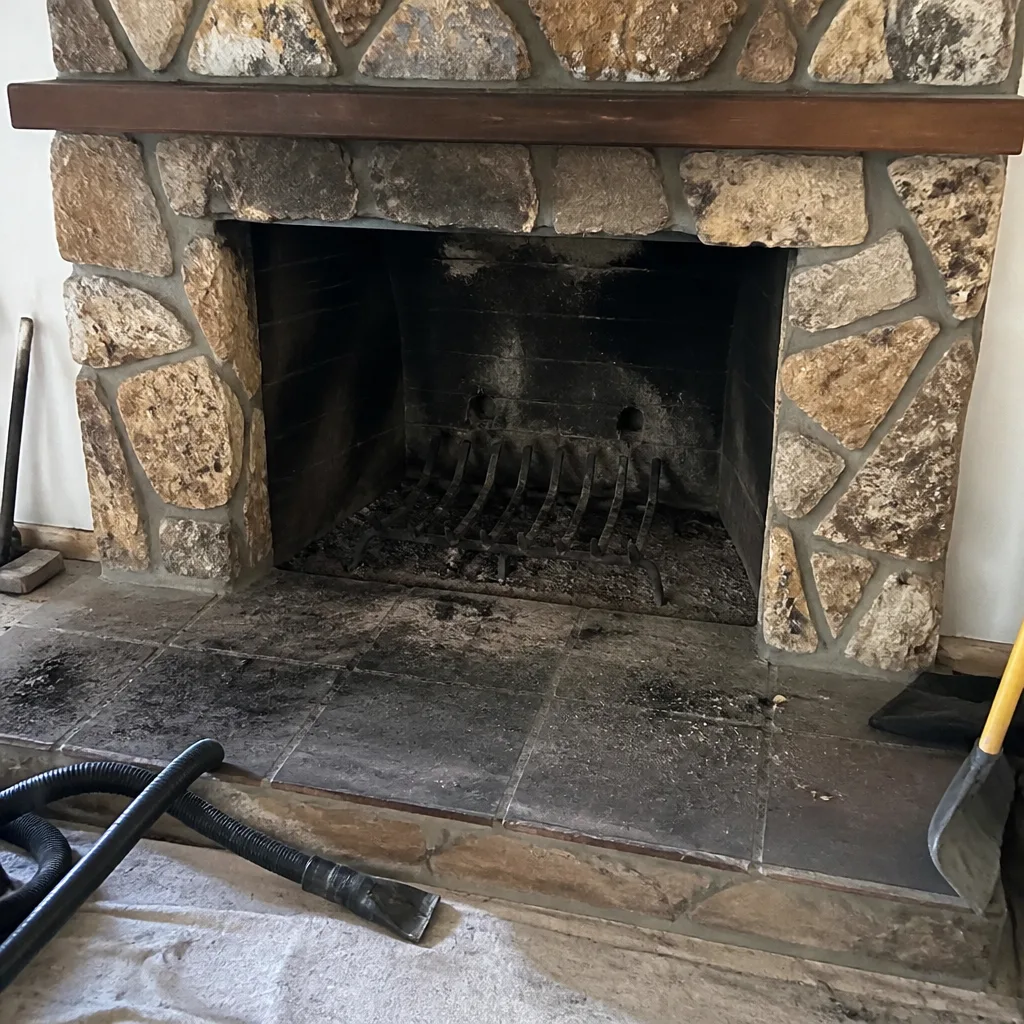 Before
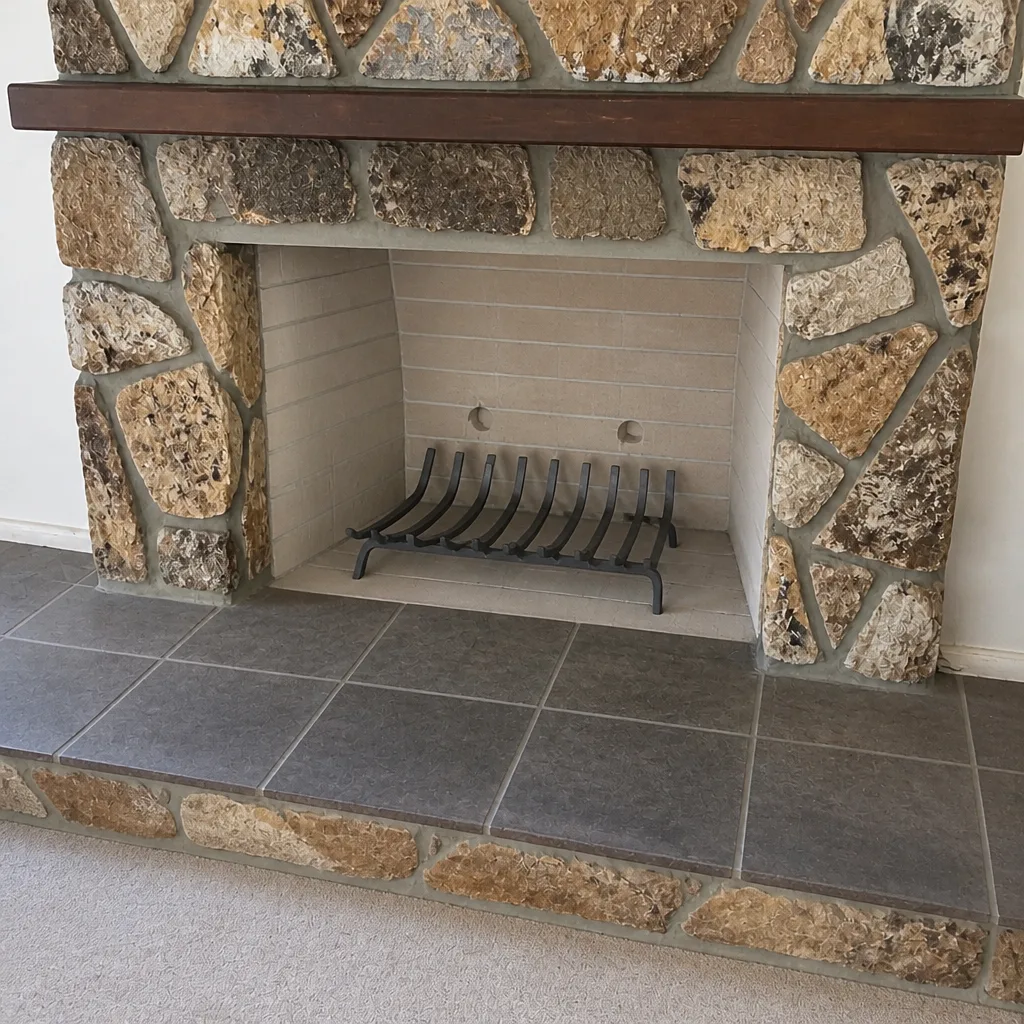 After
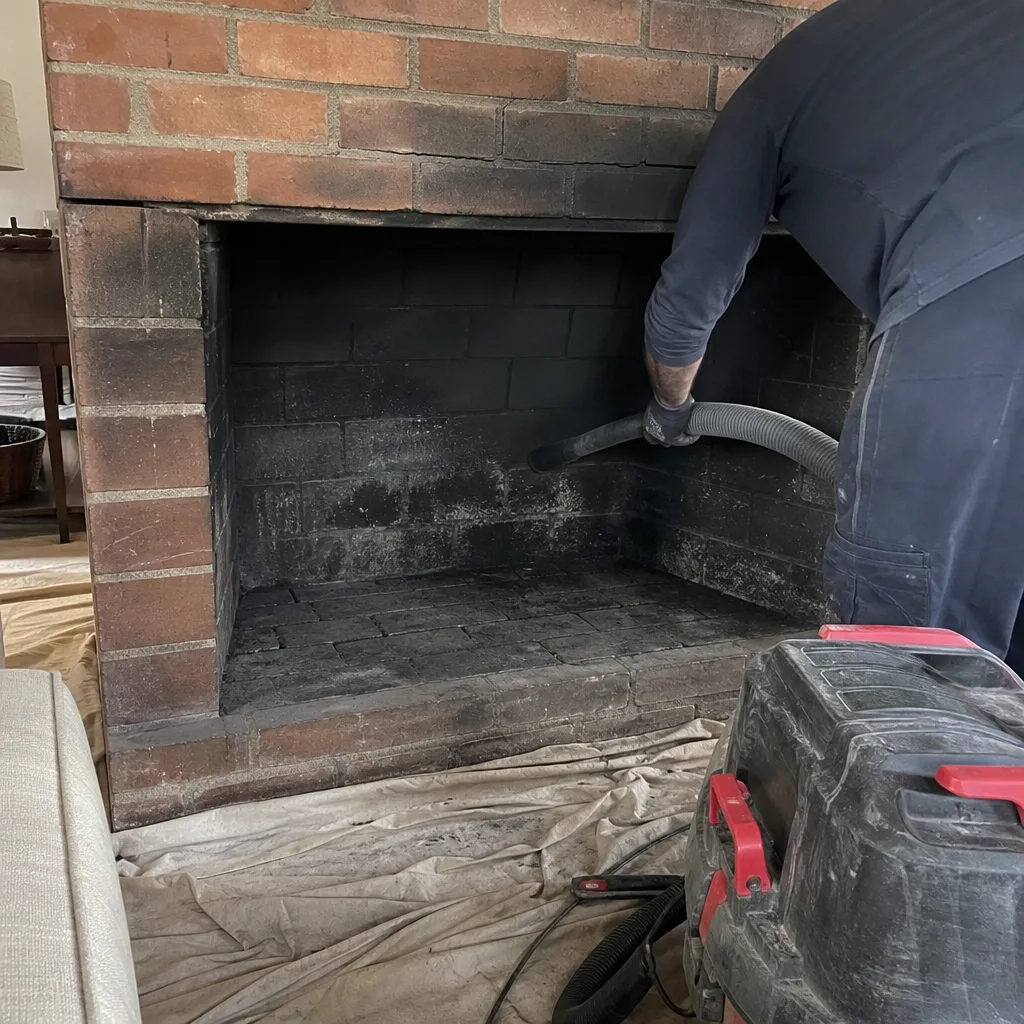 Before
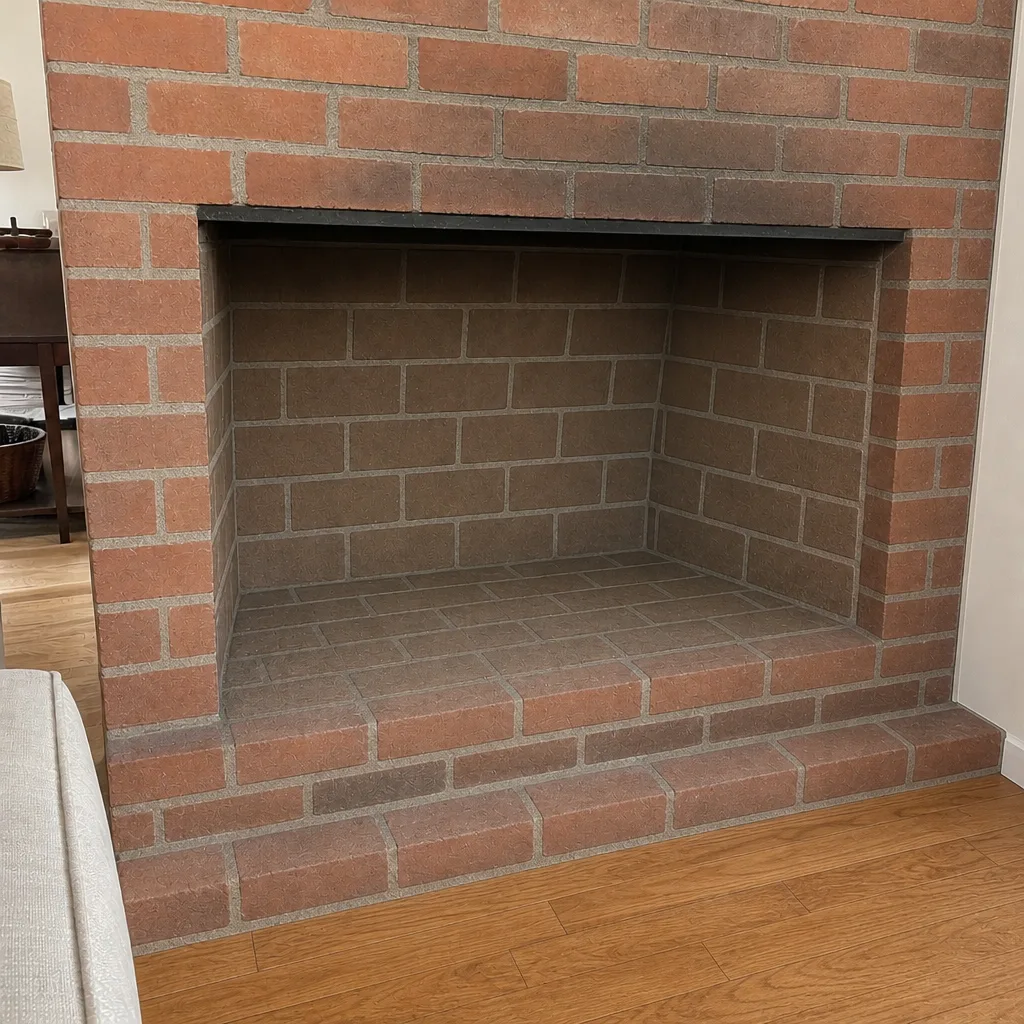 After
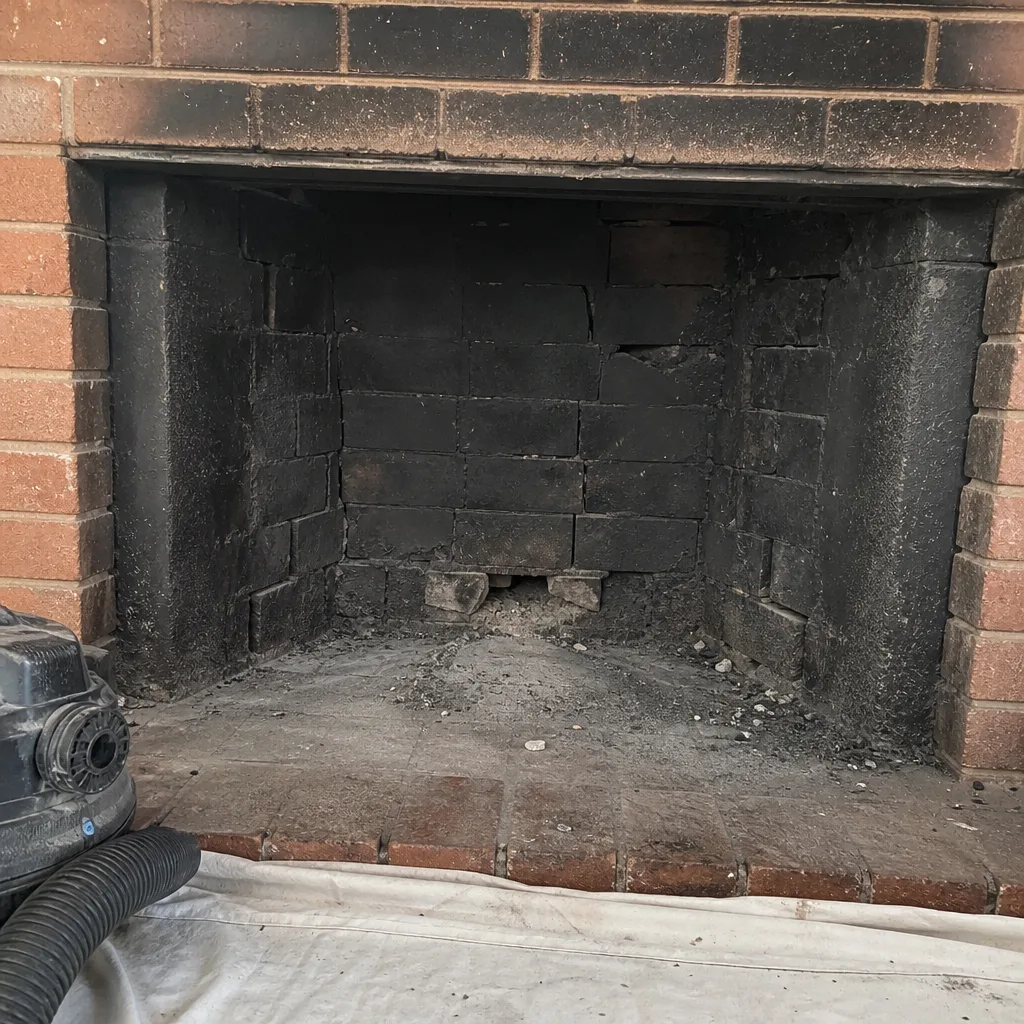 Before
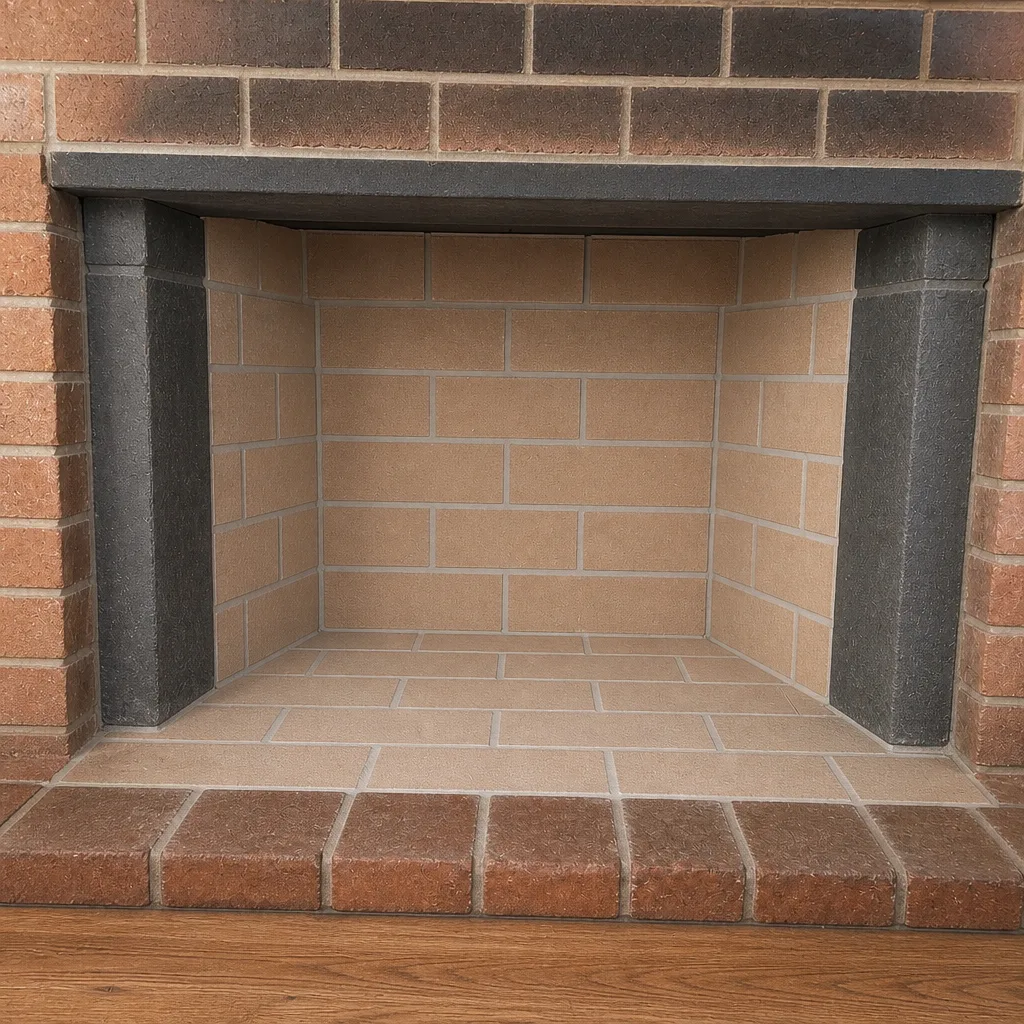 After
Frequently Asked Questions
Once per year of regular use is the standard for wood-burning fireplaces in Ventura. If you burn more than two cords per season or your fires are frequent in winter months, annual is the right cadence. Gas fireplaces need less frequent cleaning but still benefit from an annual inspection focused on venting and burner condition. Homes with light or occasional use can usually go every two years, but a professional inspection should confirm the flue is clean enough to skip a year. Call (877) 798-8581 for a free estimate and we’ll tell you what your flue actually looks like, not what a generic schedule says.
Chimney sweep pricing in Ventura depends on the type of system, the amount of creosote, and whether any repairs surface during the inspection. The estimate is free and the final price is set per job by the written estimate, so nothing is done without your approval. The best way to get an accurate number is to call (877) 798-8581. We answer 24/7 and can walk through what’s involved in a standard sweep and inspection.
Not every damaged liner needs full replacement. HeatShield ceramic resurfacing can restore many damaged flue liners without removing the old one, which is a more cost-effective and code-compliant path than full replacement. The only way to know whether your liner qualifies for restoration is a camera inspection that shows the type and extent of the damage. We tell you what the camera shows and what’s repairable, not just the most expensive option. Call (877) 798-8581 for an inspection and we’ll show you the footage.
Skipping maintenance lets creosote build up in the flue, which increases fire risk, and it lets moisture problems progress from cosmetic to structural. In Ventura’s coastal zone, water entry through a failed chase cover or cracked crown causes spalling brick, rusted dampers, and water damage to ceilings and walls near the fireplace. The problems compound: a little creosote becomes a lot, a hairline crack becomes a gap, a rust speck becomes a hole. Most of the expensive chimney repairs we see in Ventura homes could have been caught earlier with a basic inspection. Call (877) 798-8581 for a free estimate and find out what your chimney needs before the problems compound.
Run the post-wind checklist: look at the cap from the ground, listen for new rattles, check for shifted flashing, inspect the firebox for driven debris, and note any changes. If the cap looks displaced or the flashing has moved, don’t wait for rain to find the gap. A quick inspection after a wind event catches displaced hardware before it becomes a water entry point. Chimney Sweep Ventura offers free estimates. Call (877) 798-8581 and we’ll check the cap and flashing for you. We answer 24/7. Fast dispatch from 7am to 7pm, Sunday through Friday.
You can clear debris from the firebox and check the damper, but a proper sweep requires brushes sized for your flue, a way to contain the soot, and an inspection from both below and above. Creosote in the upper flue and on the smoke shelf is where fire risk concentrates, and you can’t see it from the firebox. Many Ventura homeowners also have steep roofs or taller chimneys that make the above-roof work genuinely dangerous without proper equipment. Leave the ladder work to a professional. Call (877) 798-8581 for a free estimate and we’ll handle the sweep and the inspection safely.
The Bottom Line
Ventura chimneys fail in predictable ways: wind-displaced caps after Santa Ana episodes, animal nesting during long summer dormancy, and coastal moisture working through chase covers and masonry. A practical maintenance routine means checking after wind events, inspecting before the first fire, watching for spalling and efflorescence, keeping a simple log for insurance, and scheduling a professional sweep and camera inspection once per year of regular use. The problems that cost real money in Ventura homes are the ones you can’t see from the firebox. Catch them early and the fix is a sweep or a small repair. Wait and it’s a rebuild. Call (877) 798-8581 for a free estimate. We answer 24/7. Fast dispatch from 7am to 7pm, Sunday through Friday.
Written by the team at Chimney Sweep Ventura, serving Ventura since 2011.