
Last updated November 4, 2026
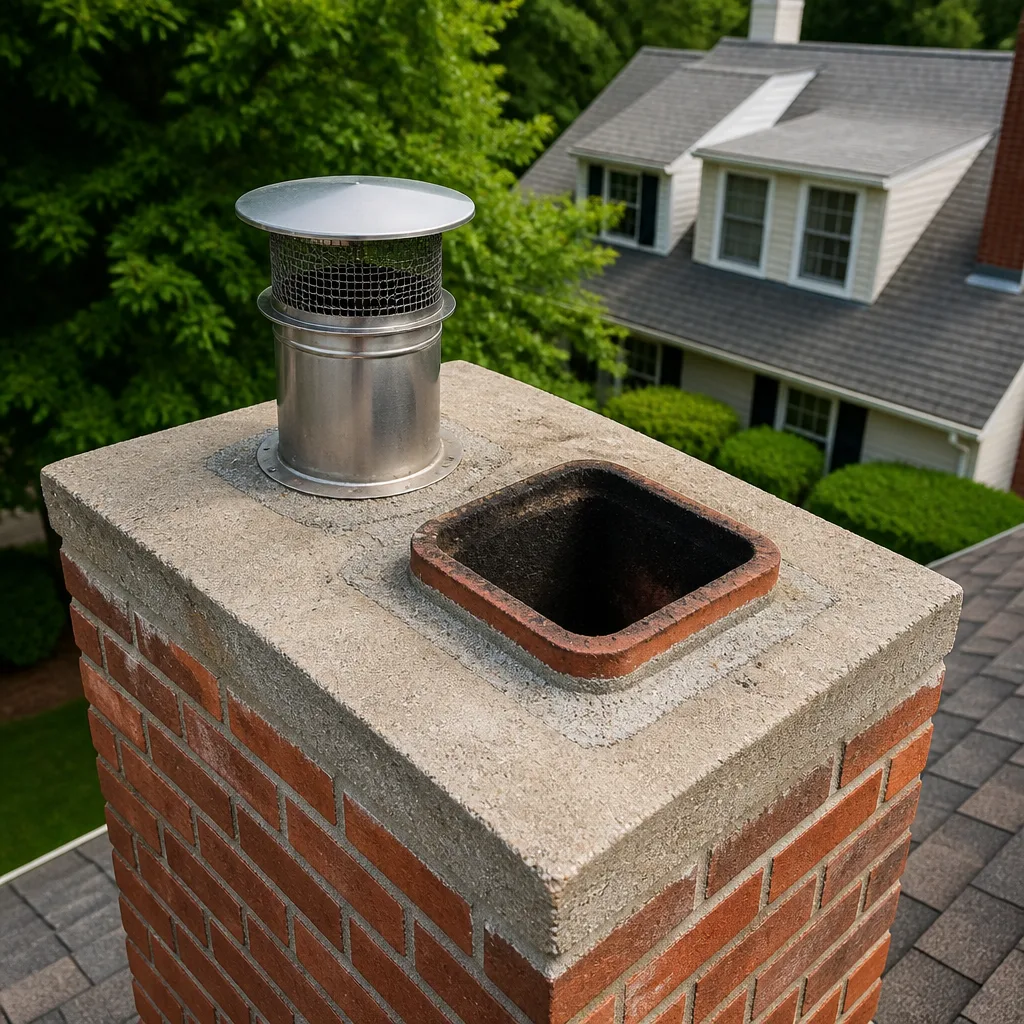 Sweep & inspection
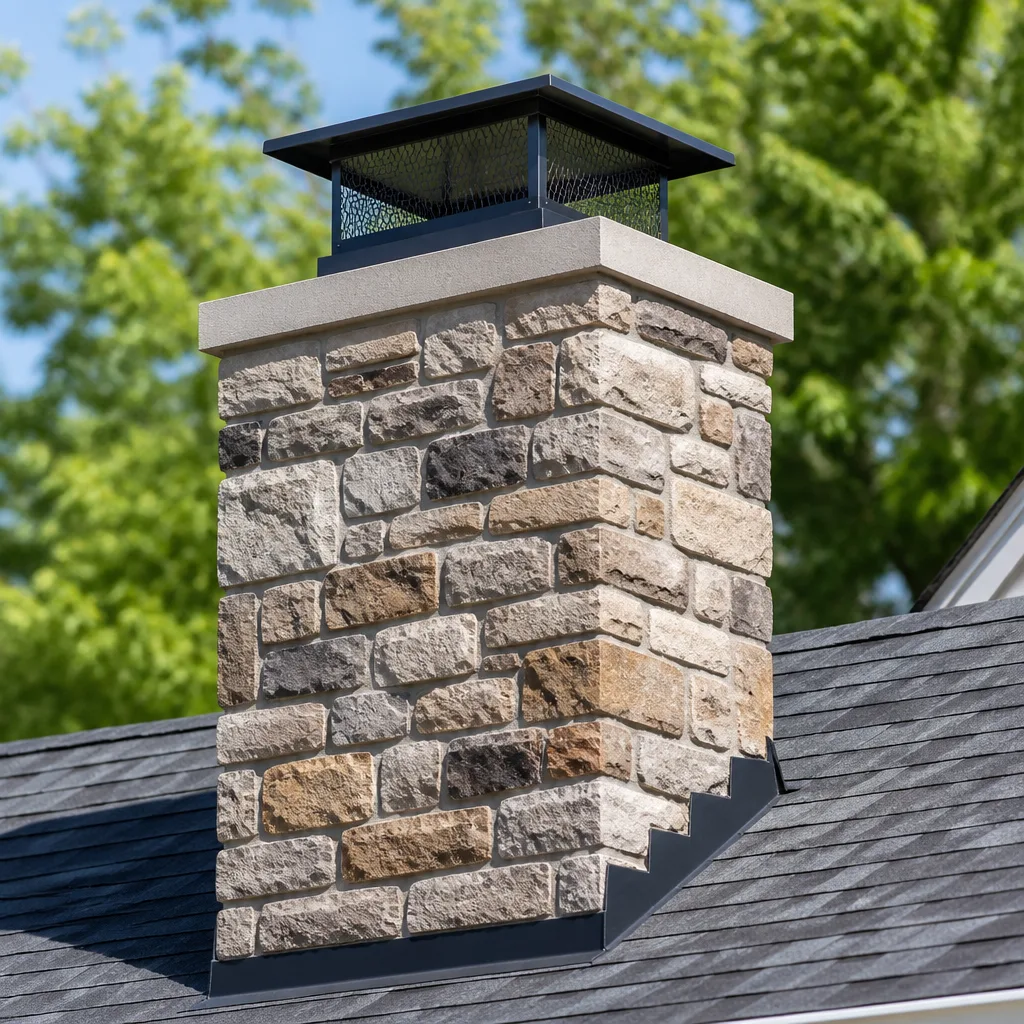 Caps & crowns
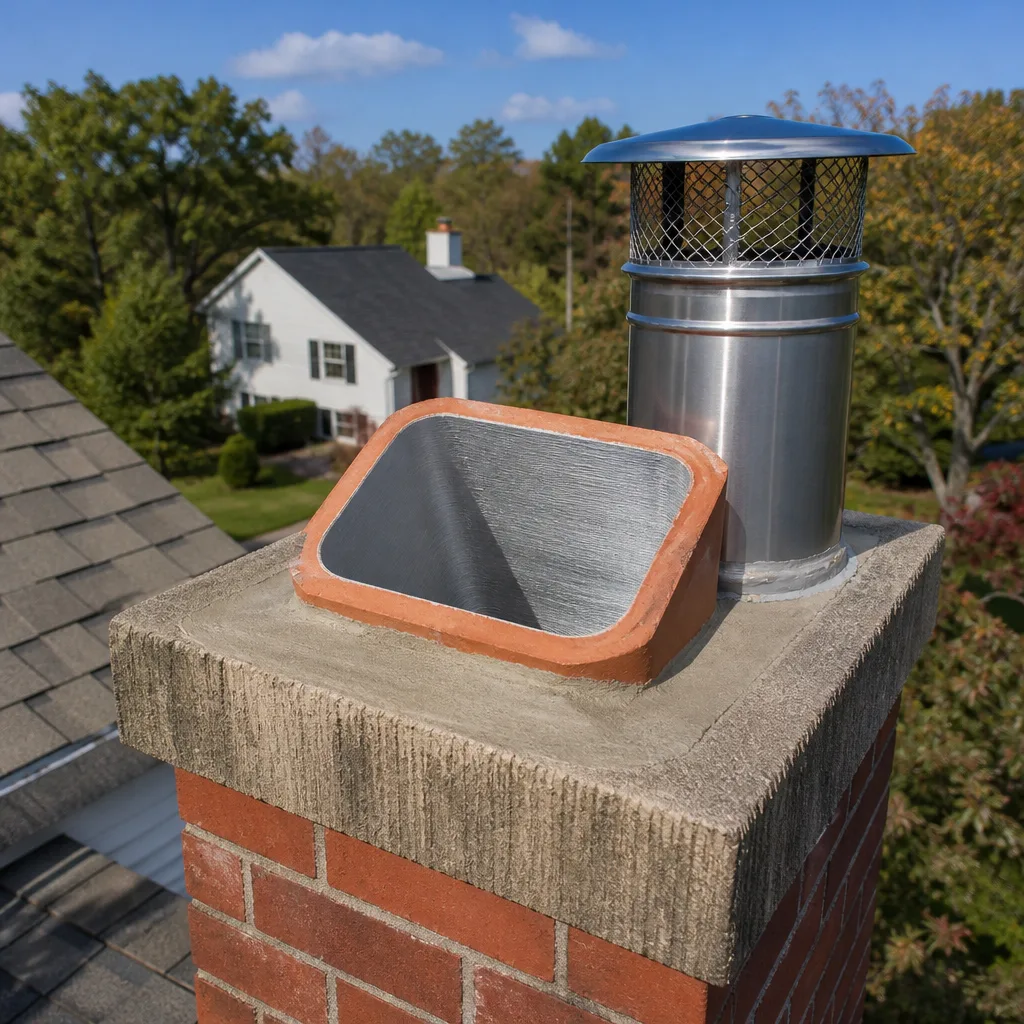 Flue relining
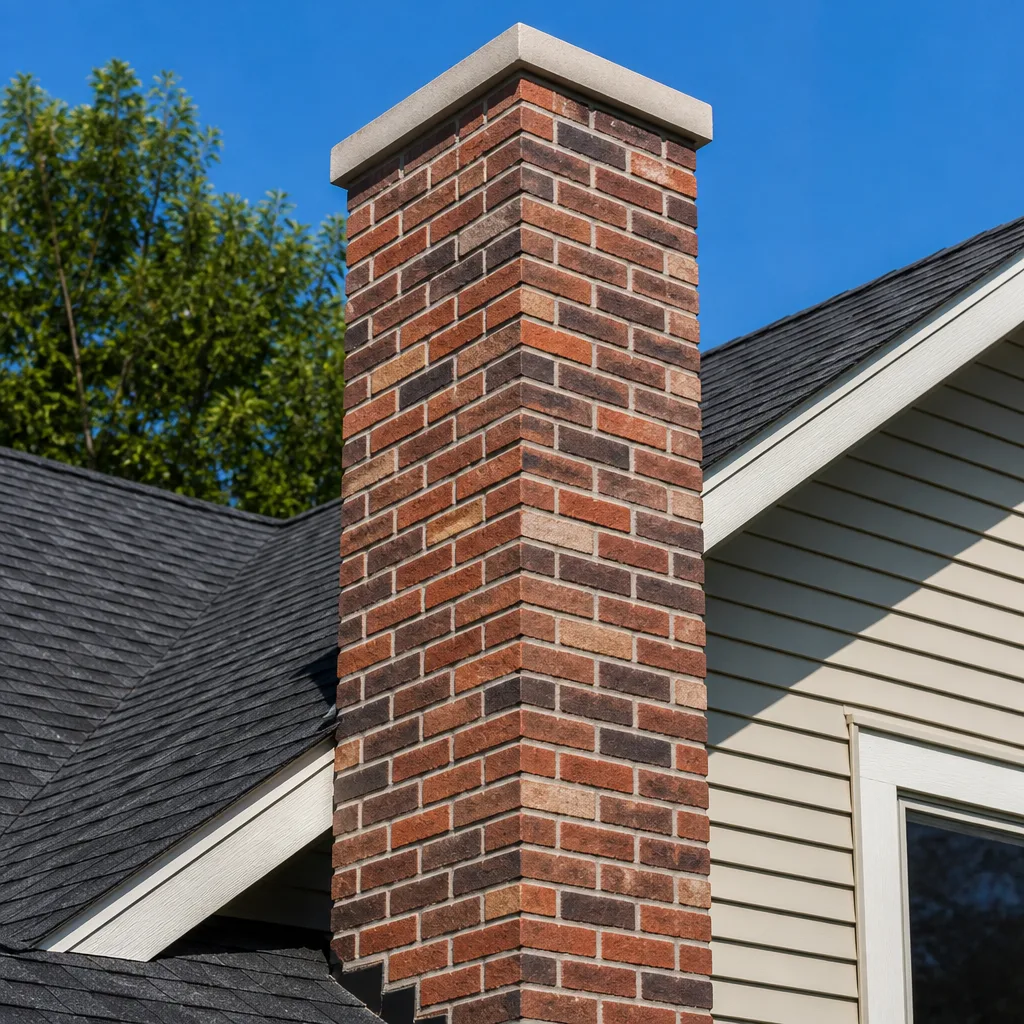 Masonry repair
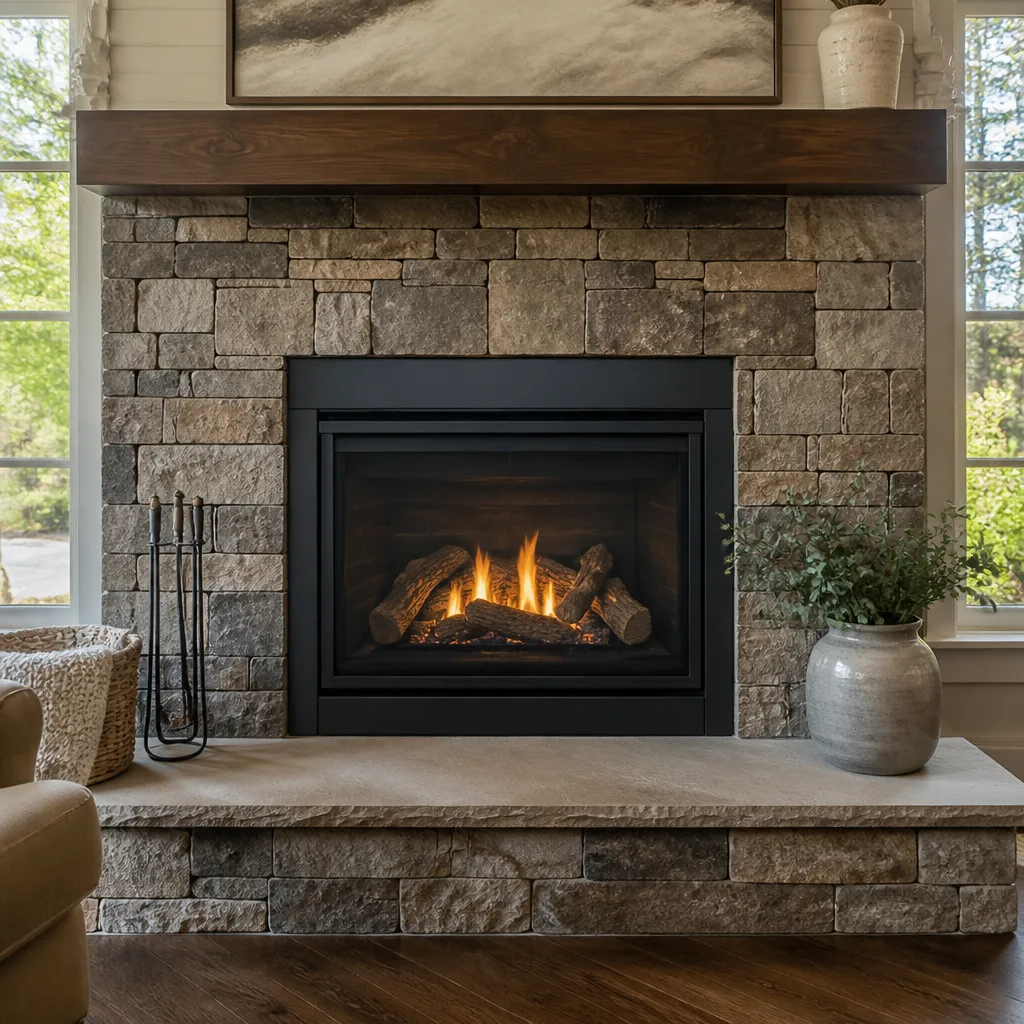 Gas fireplace service
Level 1 sweep and inspection to the NFPA 211 annual standard - flue, crown, cap, and flashing checked and photographed
Chimney sweep logs do not sweep chimneys. They loosen some creosote - which then falls where a brush and vacuum still have to collect it.
Chimney Sweep Troubleshooting in Ventura: Common Problems and How to Fix Them
A smoky firebox after one storm isn’t a draft problem, and it probably isn’t new. In Ventura, where mild winters mean fireplaces sit unused for months at a stretch, moisture works its way into masonry slowly. Condensation forms inside the flue, mortar absorbs humidity through the crown, and cast-iron dampers develop rust that seizes them open or shut. By the time a homeowner notices smoke rolling into the living room, the actual issue has often been building for six months. This guide maps the symptoms most common in Ventura chimneys to their underlying causes, so you understand what’s actually happening before anyone starts recommending repairs. We’ll cover what you can safely monitor, what needs a professional, and how a camera inspection changes the troubleshooting process entirely.
Styles & brands we work with
- Sweep & inspection
- Caps & crowns
- Flue relining
- Masonry repair
- Gas fireplace service
Quick Answer
Chimney problems in Ventura typically fall into three root causes: moisture intrusion from the region’s marine air, blockages from nesting wildlife or debris, and airflow issues caused by intermittent fireplace use. Smoke rollout, persistent odors, and visible spalling on the masonry exterior each point to a different failure mode, and each requires a different fix. The fastest way to identify the right repair is a camera inspection of the flue interior, because it reveals liner damage, partial blockages, and hidden moisture damage that a visual sweep alone cannot see.
Table of Contents
- How Coastal Humidity Changes Ventura Chimney Behavior
- Smoke Rollout vs. Downdraft vs. Blockage: How to Read the Symptom
- Why Intermittent Fireplace Use Creates Nesting and Moisture Risks
- What to Monitor vs. What Needs Immediate Professional Diagnosis
- What a Camera Inspection Reveals That a Sweep-Only Visual Can’t
- Common Fixes: Liner Restoration, Damper Replacement, and Crown Repair
- What You Can Safely Check Yourself (and What You Shouldn’t)
- Common Mistakes to Avoid
- When to Call a Professional
- Frequently Asked Questions
- The Bottom Line
How Coastal Humidity Changes Ventura Chimney Behavior
Ventura’s proximity to the Pacific means the air carries moisture most of the year. For a chimney, that’s a bigger deal than most homeowners realize. That moisture doesn’t need rain to get into your masonry. It arrives as airborne humidity that condenses on the cooler interior surfaces of the flue, especially when the fireplace hasn’t been used in weeks. Over time, that condensation soaks into clay tile liners and the mortar joints between them. The result is flue tiles that begin to spall, meaning their surfaces flake and crumble, and mortar joints that erode from the inside out.
This is different from what inland homeowners experience. In drier climates, a chimney might go decades with minimal interior wear. In Ventura, we’ve seen flue liners show significant spalling within fifteen years of construction, not because of heavy use but because of consistent moisture exposure. The moisture weakens the liner’s ability to contain heat and combustion gases. Once the liner is compromised, the chimney becomes a fire risk and a pathway for carbon monoxide into the home.
Rusted dampers are another classic Ventura symptom. A cast-iron damper, especially one in a throat-mounted position directly above the firebox, gets exposed to humid air that rises through the chimney when the fireplace is idle. That humidity settles on the metal, and over years, the damper develops rust that can freeze it in place. Homeowners often discover this the first time they try to open the damper for the season and find it won’t budge, or worse, that it’s already partially seized open, which lets conditioned indoor air escape up the chimney year-round.
The fix for moisture-related damage depends on how far it’s progressed. A damper with surface rust but intact structure can sometimes be cleaned and lubricated. A damper that’s rusted through or seized permanently typically needs replacement. For flue liner damage, there are two paths: full liner replacement or a restoration system like HeatShield, which resurfaces the interior of the existing flue with a ceramic coating. The restoration approach often works well for Ventura chimneys because the underlying masonry structure is frequently sound, meaning the problem is surface degradation rather than structural failure.
Smoke Rollout vs. Downdraft vs. Blockage: How to Read the Symptom
Not all smoke problems are created equal. Understanding the physical difference between smoke rollout, downdraft, and blockage determines whether you’re dealing with an airflow issue, a structural problem, or an obstruction. Misdiagnosing these wastes money and can mask a genuine fire hazard.
Smoke Rollout
Smoke rollout means smoke enters the living space instead of traveling up the flue. It happens when combustion gases cannot build enough upward momentum. The most common cause in Ventura is a restricted flue, either from a partial blockage or from liner damage that has narrowed the passage. Another cause is a flue that’s too cold. When a chimney hasn’t been used in weeks, the column of air inside is dense and static. A fire started in a cold flue can’t overcome that air pressure differential, so smoke spills back into the room. The fix often starts simply: prime the flue by holding a lit newspaper near the open damper for a minute or two before starting the main fire. That warms the air column and establishes an upward draft. If priming doesn’t solve it, the flue needs a camera inspection to check for partial obstructions or liner narrowing.
Downdraft
Downdraft is wind-driven. It happens when outdoor air pressure pushes down the chimney and forces smoke back into the house. In Ventura, where afternoon onshore breezes are consistent, downdraft tends to occur in specific wind conditions, often when the chimney is the highest point on a roofline or when nearby structures channel wind over the roof in a way that creates negative pressure above the flue. Downdraft is rarely fixed by deepening the chimney or adding brick. The practical solutions are a properly sized chimney cap with a wind-resistant design, which many older Ventura homes lack, or a draft-inducing cap that stabilizes airflow regardless of wind direction. If the chimney previously drafted fine and suddenly doesn’t, the issue is more likely a new obstruction than a change in wind patterns.
Blockage
Blockage is the most dangerous of the three. A partial blockage from a bird’s nest, squirrel debris, fallen leaves, or a collapsed flue tile reduces the flue’s capacity to exhaust. A full blockage sends all combustion gases back into the home. The telltale sign is smoke that backs up immediately and consistently, often accompanied by a strong smell. Blockages require immediate professional attention. Do not continue using the fireplace. A camera inspection identifies the exact location and nature of the obstruction, and that determines the removal method. Some blockages clear with a sweep. Others, like a collapsed liner section, require repair before the chimney is safe to use again.
Why Intermittent Fireplace Use Creates Nesting and Moisture Risks
Ventura’s mild climate creates an interesting problem. Because winters are relatively warm, many fireplaces go unused for six to nine months of the year. That long idle period is exactly what birds, squirrels, and rodents are looking for. A chimney with an uncapped flue or a damaged cap is an attractive nesting site, and the animals move in during spring and summer when the fireplace is completely dormant.
We’ve seen chimneys in Ventura with multiple seasons of nesting material packed inside, not because the homeowner was negligent but because the fireplace simply wasn’t used often enough for them to notice. The first fire of the season then becomes a hazard. Nesting debris is highly flammable and sits directly in the path of combustion gases. In some cases, the nest blocks airflow enough that smoke rollout occurs immediately. In others, the nest ignites and sends embers up the flue, creating a chimney fire scenario.
Moisture risk follows the same pattern. An unused chimney has no heat cycling to drive out accumulated humidity. That means condensation sits on the flue walls and inside the damper assembly for months at a time. The longer that moisture remains, the deeper it penetrates into porous masonry and the faster rust develops on metal components. Homeowners who use their fireplace regularly, even a few times a month during the cooler season, naturally dry out the flue and reduce this condensation cycle. Intermittent users don’t get that benefit.
The practical takeaway is that a chimney in a mild climate still needs an annual inspection, perhaps more consistently than one in a cold climate, because the problems develop silently during the off-season. A proper chimney cap with a mesh screen significantly reduces nesting risk. A cap without adequate screening, or a missing cap entirely, essentially invites wildlife in. If you’re unsure whether your cap is doing its job, that’s something a professional can assess in a few minutes during a regular chimney sweep.
What to Monitor vs. What Needs Immediate Professional Diagnosis
Some chimney issues are safe to observe over time. Others require a professional before the next fire. Knowing which is which prevents unnecessary worry and, more importantly, prevents real danger.
Safe to Monitor
- Mild smoke smell on first use: A faint wood-smoke odor when you first light a fire in the fall is often just settled dust and creosote residue warming up. If it clears within a few minutes and doesn’t recur, monitor it. If it persists or worsens, call.
- Surface efflorescence on exterior brick: White, chalky deposits on the chimney exterior are a sign of moisture moving through the masonry. It’s worth watching, especially after rainy periods. If the deposits recur consistently or the brick begins to flake, the chimney needs a professional assessment.
- Slight damper stiffness: If the damper moves smoothly but with some resistance, it may just need lubrication or cleaning. Don’t force it. If it becomes stuck or won’t close fully, that’s a repair issue.
Immediate Professional Diagnosis
- Smoke entering the living space: Any smoke rollout is a sign that combustion gases are not exhausting properly. Stop using the fireplace and call a professional. Smoke in the home means carbon monoxide could also be present.
- Visible cracks in the chimney exterior wider than a hairline: Cracks wider than about 1/16 of an inch may indicate structural movement or significant moisture damage. In Ventura, these often appear after a period of heavy rain followed by dry conditions, but they can also indicate long-term moisture weakening of the mortar.
- Pieces of flue tile in the firebox: If you see broken clay tile fragments in the bottom of the fireplace, that means the flue liner is actively deteriorating. This is a fire safety issue and requires immediate attention.
- Strong persistent odor in the house, even when the fireplace is unused: A strong smoke or musty odor that lingers even when the fireplace is cold often indicates a blockage, significant creosote accumulation, or a leak allowing flue gases to enter the home. The fireplace should not be used until a camera inspection identifies the source.
- Water staining on interior walls or ceilings near the chimney: Water intrusion through the chimney structure can damage drywall, framing, and insulation. This needs immediate diagnosis to prevent further deterioration.
The rule of thumb: if the problem affects your family’s safety, such as smoke in the home or visible structural compromise, stop using the fireplace and get a professional assessment. If it’s a cosmetic or minor functional issue that doesn’t worsen, you can monitor it through the next season and make a repair decision on your own timeline.
What a Camera Inspection Reveals That a Sweep-Only Visual Can’t
A standard chimney sweep removes soot and creosote and gives the technician a look at the accessible parts of the flue. What it can’t do is see the entire interior surface, especially around bends, offsets, and the upper reaches of the flue. Those are often exactly where problems hide in Ventura chimneys.
A camera inspection lowers a small video camera through the full length of the flue and records the condition of every section. What it reveals is genuinely different:
- Hidden gaps and cracks in clay tile liners: Even a few millimeters of separation between flue tiles is enough to allow heat and combustion gases to reach combustible materials in the chimney chase. A sweep-only inspection often misses these because the gaps are not visible from the top or bottom opening alone.
- Partial blockages beyond the reach of a chimney brush: A nest, a collapsed section of liner, or a piece of broken tile can lodge in the middle of the flue where a brush can’t push it out. A camera shows exactly where it is and what it’s made of.
- Condensation damage along the flue’s interior surface: Moisture doesn’t always produce obvious staining or odor. But over time, it erodes the glazing on clay tile liners and corrodes the mortar joints. A camera inspection shows this erosion in progress, allowing a restoration recommendation before the liner fails completely.
- Improper construction or outdated configurations: Some older Ventura chimneys were built with flue sizes that don’t match modern fireplace inserts or gas appliance requirements. A camera inspection documents the actual flue dimensions and configuration, which matters if you’re considering installing an insert or switching fuel type.
- The condition of the smoke chamber: The smoke chamber sits between the firebox and the flue. It’s often irregularly shaped, and creosote accumulates in its recesses more easily than in the smooth flue walls. A camera reveals the accumulation level and whether the chamber needs parging, a cosmetic smoothing and sealing process.
At Chimney Sweep Ventura, we include camera inspection as part of our diagnostic process when troubleshooting any problem that isn’t resolved by a standard sweep. The goal is to show you what we’re seeing, not just tell you that something is wrong. When a homeowner can see the crack, the nest, or the spalling tile on the screen, the repair recommendation makes sense. That transparency matters, especially with moisture-related damage that may take years to become dangerous. A camera inspection turns a subjective judgment call into a documented observation.
Common Fixes: Liner Restoration, Damper Replacement, and Crown Repair
Once troubleshooting identifies the root cause, the fix should address that specific problem rather than apply a generic solution. Here are the most common repairs needed in Ventura chimneys and how they actually work.
Flue Liner Restoration with HeatShield
Flue liner damage doesn’t always require a full tear-out and replacement. The HeatShield system is a ceramic resurfacing material designed to coat the interior of a damaged clay tile liner. The process involves cleaning the flue thoroughly, then applying the HeatShield material in layers to fill gaps, smooth spalled surfaces, and restore the liner’s structural integrity. The result is a continuous, seamless interior surface that contains heat and combustion gases effectively. For Ventura homeowners with moisture-related liner degradation but otherwise sound masonry, HeatShield restoration often avoids the cost and disruption of a full liner replacement. The key qualification is that the existing liner must be largely intact. Severe collapse or extensive structural damage may still require full replacement.
Damper Replacement
A rusted or seized damper isn’t just an inconvenience; it’s an energy leak and a potential safety issue. Many older Ventura homes have throat dampers made of cast iron that have corroded in the coastal humidity. Replacement options include a standard cast-iron damper, which is the direct replacement, or a top-sealing damper, which mounts at the top of the flue and creates a better seal against moisture and outside air. Top-sealing dampers are often a smart choice in Ventura because they address the humidity problem that caused the original damper to rust. The replacement process involves removing the old damper assembly and installing the new unit, which typically requires professional work because the damper is integrated with the flue’s smoke shelf.
Chimney Crown Repair
The crown is the concrete or mortar surface that caps the masonry at the top of the chimney and sheds water away from the flue. In Ventura, crowns that were built with improper materials or without adequate overhang crack from moisture absorption and thermal movement. Once cracked, water enters the masonry and accelerates spalling and liner damage. Crown repair involves either sealing hairline cracks or rebuilding the crown entirely with a properly mixed material that includes adequate overhang and a drip edge. The drip edge is important: it forces water to run off the crown rather than track down the chimney’s exterior face. Without a proper drip edge, even a new crown will eventually allow water to migrate into the masonry.
For any of these fixes, the materials matter. We use the same professional-grade products that certified chimney installers specify nationwide: HeatShield for liner restoration, Gelco for crown repair and masonry coating, and Copperfield for dampers and other chimney components. These aren’t hardware-store generics. They’re chosen for durability and compatibility with the demanding environment of a working chimney.
What You Can Safely Check Yourself (and What You Shouldn’t)
There’s a difference between monitoring your chimney and working on it. Some inspections are safe and useful. Others involve heights, confined spaces, and materials that can cause serious injury. Here’s where that line falls.
Safe to Do Yourself
- Visual inspection from the ground: Look at the exterior masonry for cracks, spalling, or missing mortar. Check that the chimney cap is present and that the mesh screen is intact. If you can see damage from the ground, that’s useful information to share with a professional.
- Damper operation check: When the fireplace is completely cold, open and close the damper. Note whether it moves freely or sticks. Don’t force it if it resists, and never reach into the flue to feel for debris.
- Smoke test with a small fire: Light a couple of pieces of newspaper or kindling and watch the smoke. If it rises straight up the flue, the basic draft is functioning. If it enters the room, stop and call a professional. This test is best done before you’ve built a proper fire, so you’re dealing with just smoke from paper and kindling, not a fully involved fire.
- Checking for animal activity: Listen for sounds, look for droppings near the firebox, and watch for birds or squirrels around the chimney cap. If you suspect nesting, do not attempt to remove it yourself. Animals can be aggressive, and nesting material near your firebox is a serious fire hazard if it ignites.
Leave to a Professional
- Anything requiring ladder access to the roof: Working at chimney height is dangerous. Falls from roofs are a leading cause of serious injury. A professional chimney technician is trained and equipped to work at height.
- Flue cleaning or creosote removal: Creosote is flammable and can be a respiratory irritant. Cleaning a flue properly requires specialized brushes and vacuum equipment to contain the debris. This is not a DIY broom-and-bucket job.
- Liner inspection or repair: The flue interior is not visible without a camera, and repairing it requires materials and methods that are not suitable for homeowner application. Improper liner repair can create a fire hazard that’s worse than the original problem.
- Structural repairs of any kind: Crown rebuilds, masonry restoration, and liner replacement all involve materials and techniques that require professional training. A botched repair can cost more to fix than the original problem.
The best thing you can do as a homeowner is keep a simple record. Note when you use the fireplace, whether you notice any smoke or odor, and what you see when you inspect the exterior. That record helps a professional technician understand the history of the problem, which speeds up diagnosis and reduces the chance of an unnecessary repair recommendation.
Common Mistakes to Avoid
- Ignoring a smoke rollout issue because it only happens occasionally: Even intermittent smoke rollout means combustion gases are entering your home. The frequency doesn’t reduce the risk. If it happens at all, get it diagnosed.
- Assuming the chimney is fine because the house is newer: We’ve seen significant liner damage in Ventura chimneys that are less than fifteen years old, often due to moisture exposure. Age is not a reliable indicator of condition.
- Using a chimney with a known blockage because “it’s just a little nest”: Nesting material is extremely flammable and sits directly in the path of hot combustion gases. Removing a blockage is not optional if you plan to use the fireplace.
- Painting over efflorescence or water stains: This hides the symptom but doesn’t address the moisture movement. The moisture is still there, working deeper into the masonry. Fix the source first, then address cosmetics.
- Replacing a rusted damper without addressing the moisture source: A new damper will rust too unless the chimney’s moisture management, specifically the cap and crown, is sound. This is a recurring problem we see when damper replacement is done without looking at the whole chimney.
- Going years without inspecting a fireplace that’s rarely used: This is the most common mistake in Ventura. Infrequent use doesn’t mean the chimney is protected. It usually means the opposite, because moisture and wildlife activity go undetected for longer.
- Assuming a chimney sweep and a chimney inspection are the same thing: A sweep removes debris. An inspection documents condition. You need both at least once a year, but they’re different tasks with different purposes.
When to Call a Professional
Call a professional when any of these apply: smoke enters your living space, you see visible cracking or spalling on the chimney exterior, you suspect an animal has been nesting in the flue, you notice water staining on interior walls or ceilings near the fireplace, or you haven’t had the chimney inspected in more than a year. These scenarios all share a common feature: they involve conditions you cannot fully assess without a camera inspection and professional training. Guessing wrong on a chimney repair isn’t a cosmetic mistake. It can create a fire hazard that puts your family at risk. Dryer vent cleaning is a related fire risk that many Ventura homeowners don’t think about until they learn that lint accumulation is a leading cause of residential fires. One visit can address both systems.
If you’re in Ventura, we offer free estimates. Call (877) 798-8581. We answer 24/7. Fast dispatch from 7am to 7pm, Sunday through Friday.
Frequently Asked Questions
You should have your chimney swept at least once a year, even if you only use your fireplace occasionally. In Ventura’s climate, the bigger risk during idle months is moisture accumulation and wildlife nesting, not creosote buildup, but an annual sweep removes the creosote that does form and gives us a chance to check for blockages and liner damage before they become dangerous. If you use your fireplace more than a few times a week during the cooler season, you may need sweeping more often. Call (877) 798-8581 and we’ll help you set the right schedule for your usage.
If you skip sweeping, creosote accumulates on the flue walls. Creosote is a byproduct of wood combustion and it’s highly flammable. A thick enough layer can ignite and create a chimney fire that damages the flue liner and can spread to the structure of your home. In Ventura, skipping several years also means missing the slow moisture damage that occurs during idle periods. By the time you notice a problem, the repair is often more extensive and more expensive than a series of regular sweeps would have been. Call (877) 798-8581 for an inspection if it’s been more than a year.
A musty smell from your chimney usually means moisture is accumulating somewhere in the system, often in the smoke chamber or on the damper assembly. In Ventura’s humid marine air, this is a common problem in fireplaces that sit unused for long periods. The moisture may be coming from a cracked crown, a missing or damaged cap, or simply from condensation inside the flue. The smell is often stronger on humid days. The fix requires identifying the moisture source, which typically means a professional inspection. Don’t mask the smell with air fresheners; the moisture is still there, and it’s slowly damaging the masonry.
Chimney repair costs vary widely depending on the specific problem and the repair method. A simple damper replacement differs from a flue liner restoration, and a crown rebuild is different from a small crack repair. The best way to get an accurate number is to have a camera inspection identify the exact issue, then receive a written estimate for the recommended fix. Estimates are free. Call (877) 798-8581 to schedule an inspection, and you’ll know exactly what a repair will cost before you decide.
Gas fireplaces produce less creosote than wood-burning fireplaces, but they still need an annual inspection. A gas appliance vents combustion gases through the flue, and any blockage, such as a bird’s nest or debris, can send carbon monoxide into your home. Gas fireplaces also produce water vapor as a combustion byproduct, which contributes to the moisture issues we’ve discussed. If you haven’t had the venting system inspected in the last year, schedule a professional inspection before regular use. The safety requirements are the same as for a wood-burning fireplace.
We clean dryer vents as well as chimneys, and both services address the same core concern: fire safety from accumulated debris in venting systems. A clogged dryer vent is a leading residential fire risk, and lint can accumulate even in vents that seem to be working. The two systems don’t interact directly, but they share the same risk profile and the same prevention strategy: regular professional cleaning. If you’re having your chimney inspected, it’s practical to have the dryer vent done in the same visit. Call (877) 798-8581 to schedule both.
The Bottom Line
Chimney problems in Ventura follow patterns. The region’s marine air drives moisture into the masonry, and intermittent fireplace use means that moisture and wildlife activity go unnoticed for months at a time. By the time a symptom appears, whether it’s smoke rollout, a musty odor, or visible cracks, the underlying issue has often been developing for a while. The smartest approach is to treat the chimney as a system that needs annual inspection even when it isn’t used heavily. When a problem does appear, get a diagnosis based on camera inspection rather than guesswork. That’s the difference between paying for the right fix on the first visit and paying for recurring repairs that never address the actual cause. Call (877) 798-8581 for a free estimate. We answer 24/7. Fast dispatch from 7am to 7pm, Sunday through Friday.
Written by the team at Chimney Sweep Ventura, serving Ventura since 2011.
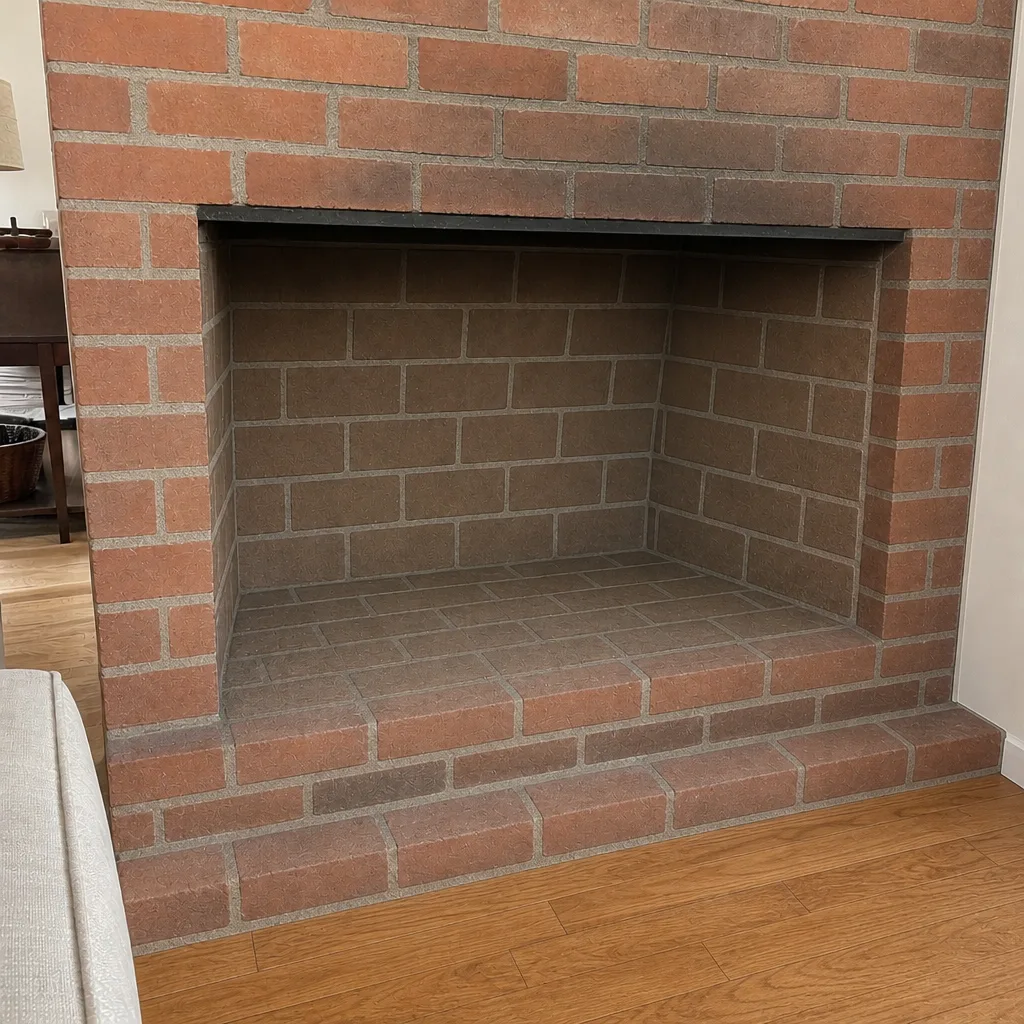
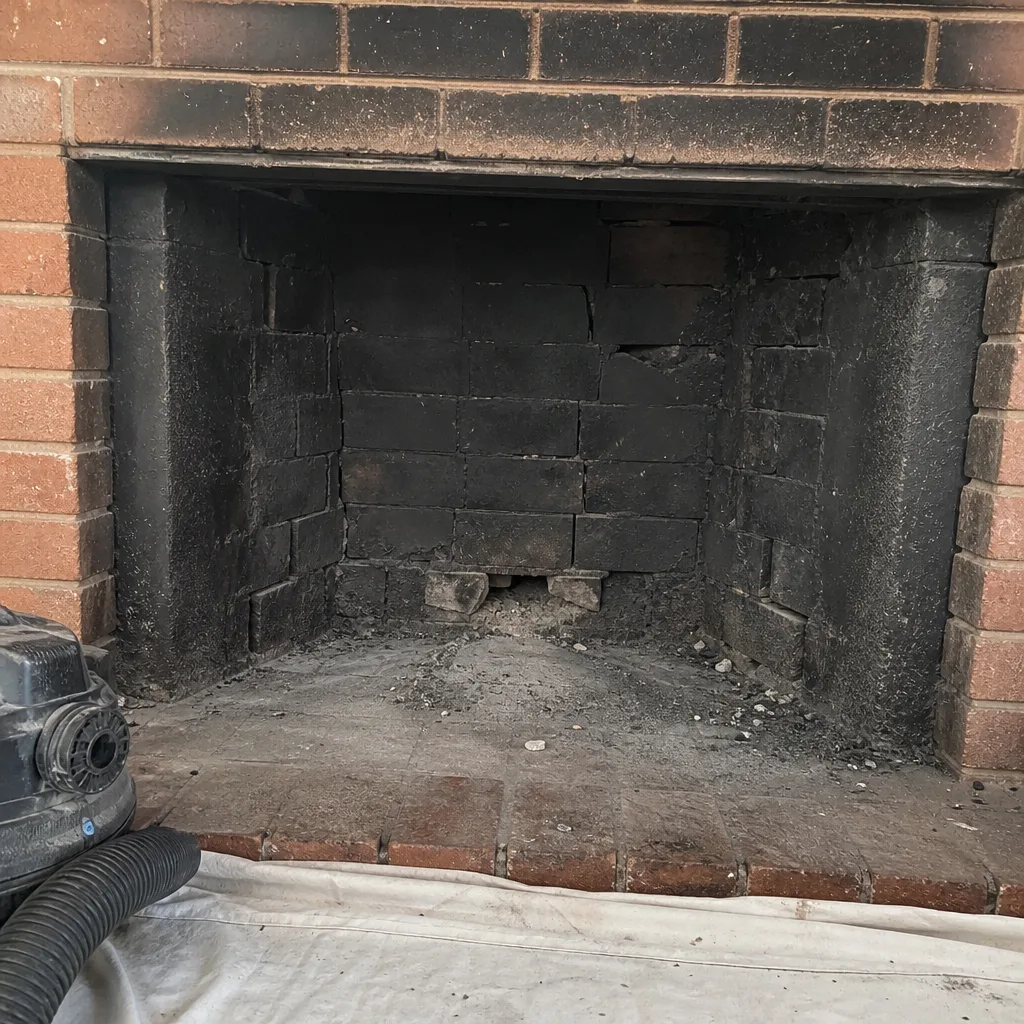
See the difference
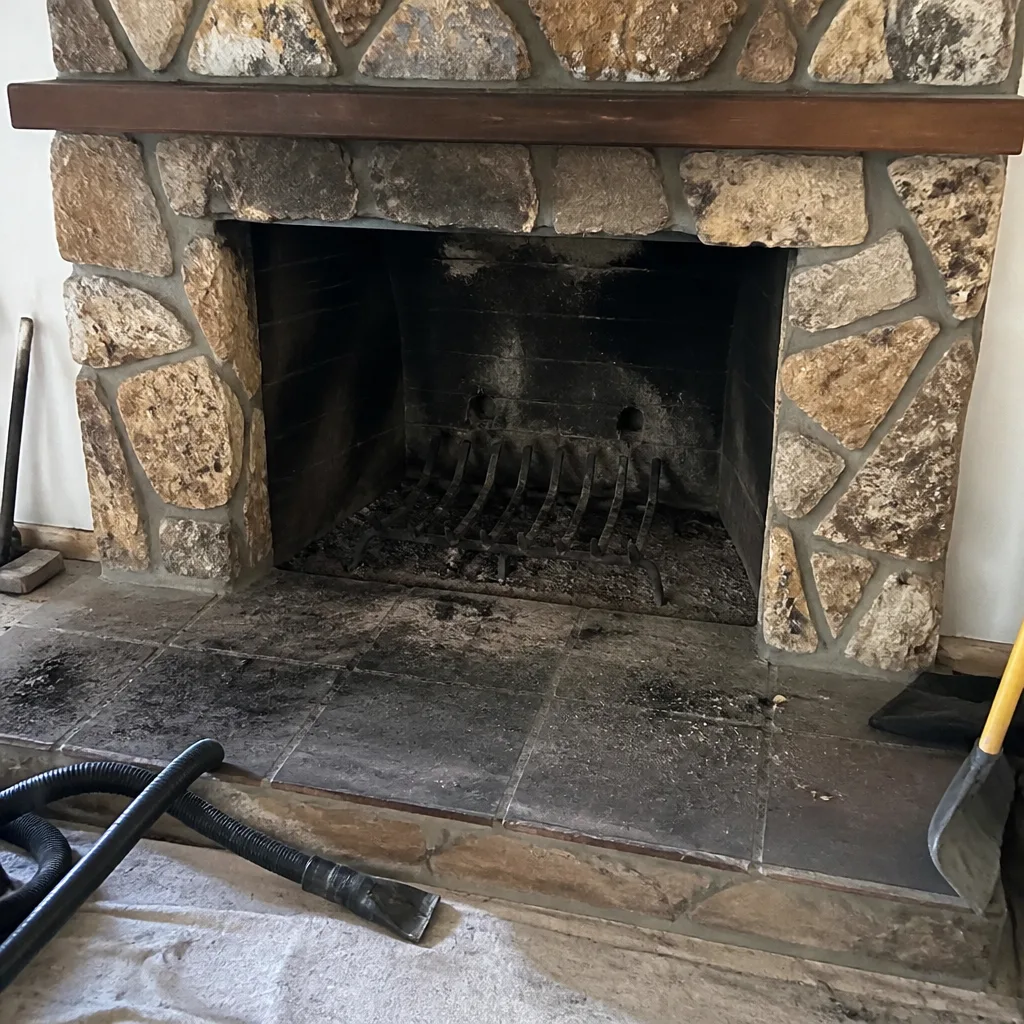 Before
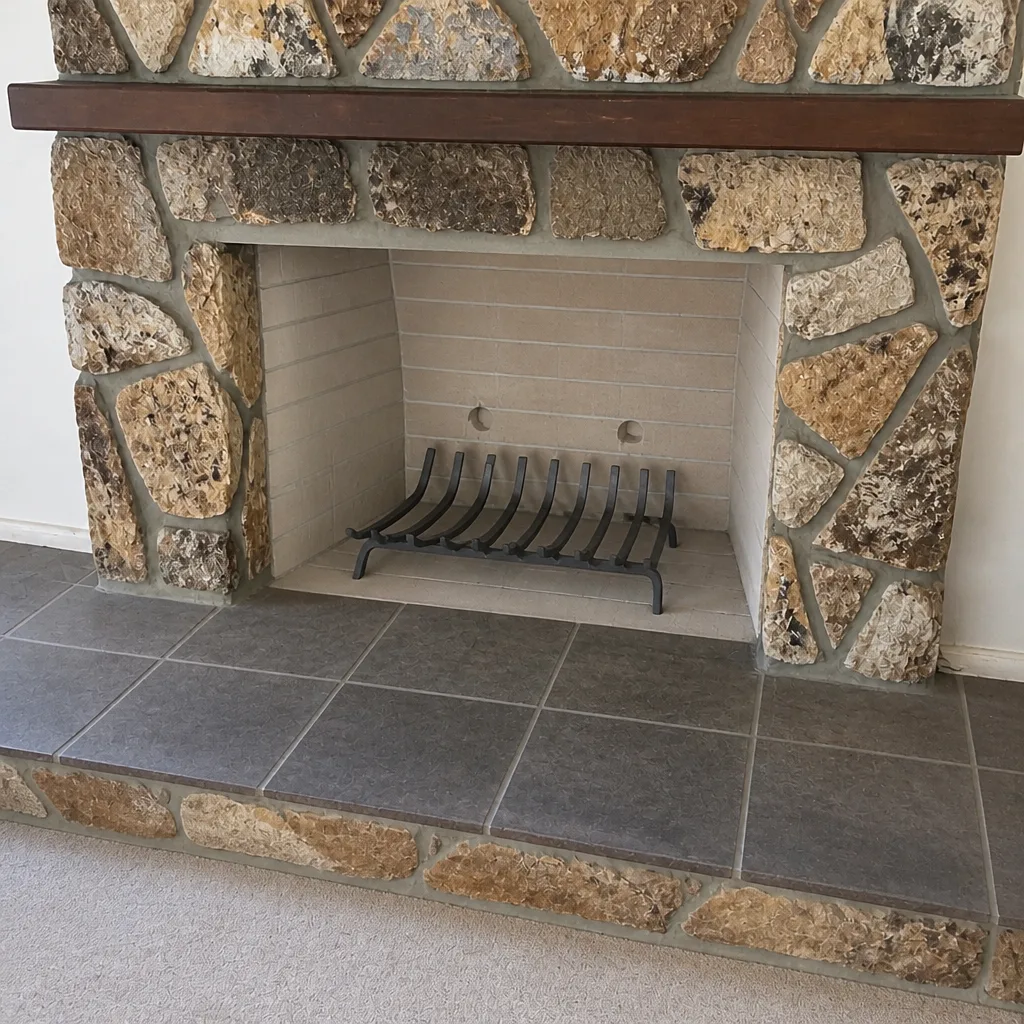 After
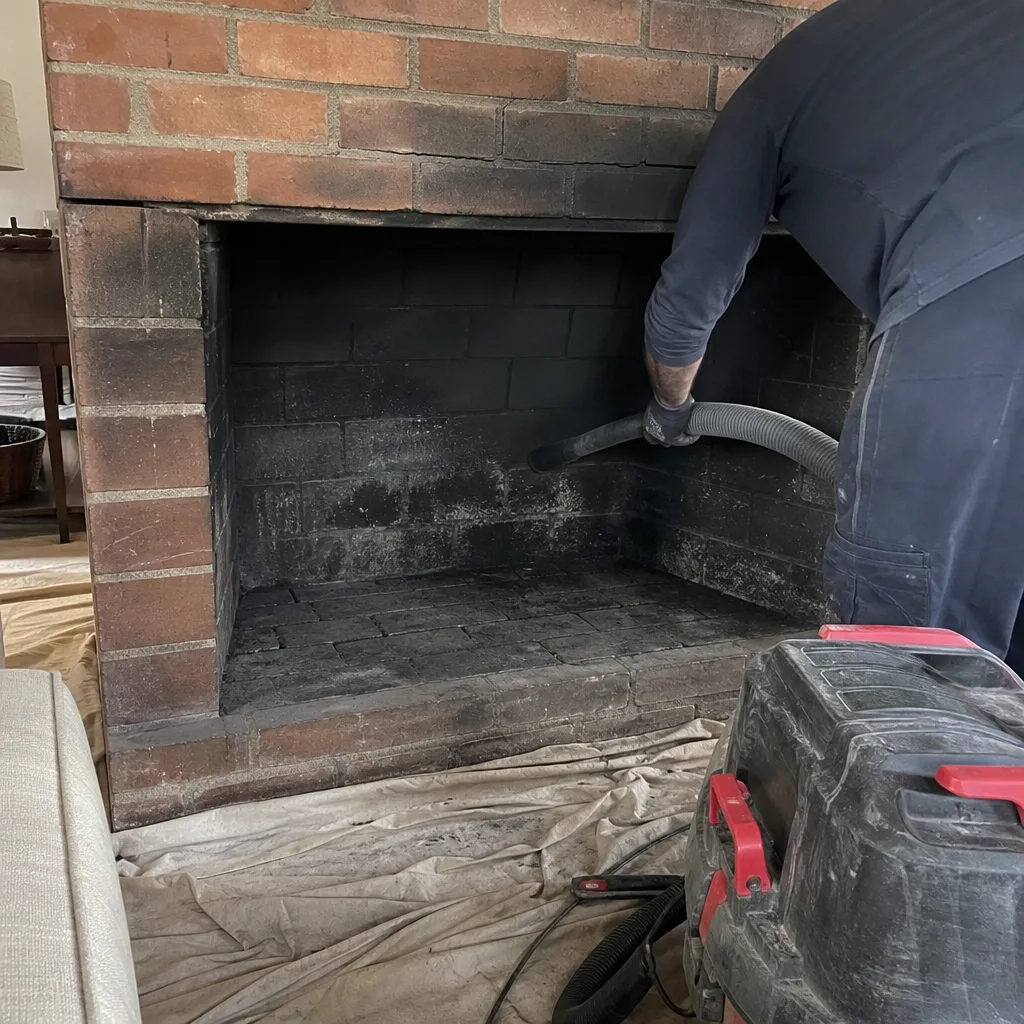 Before
 After
 Before
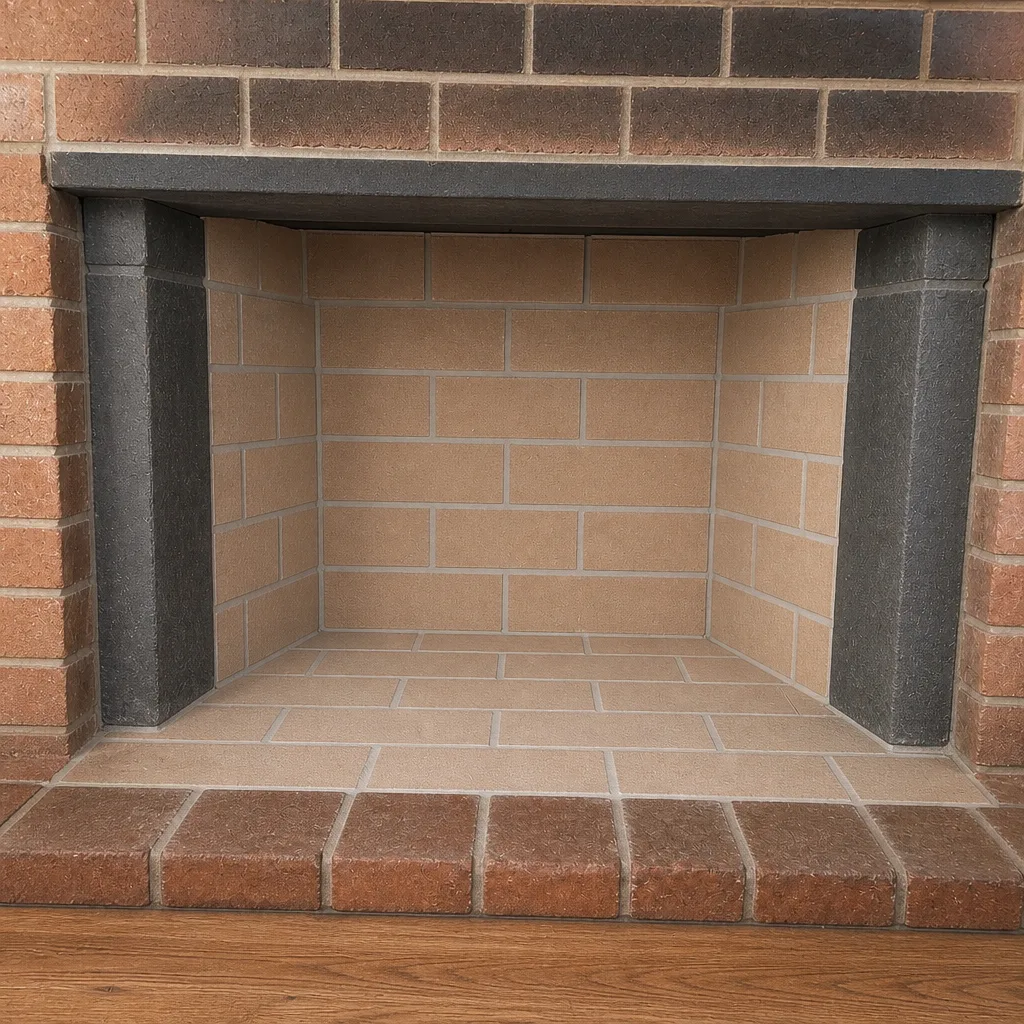 After