
Last updated November 4, 2026
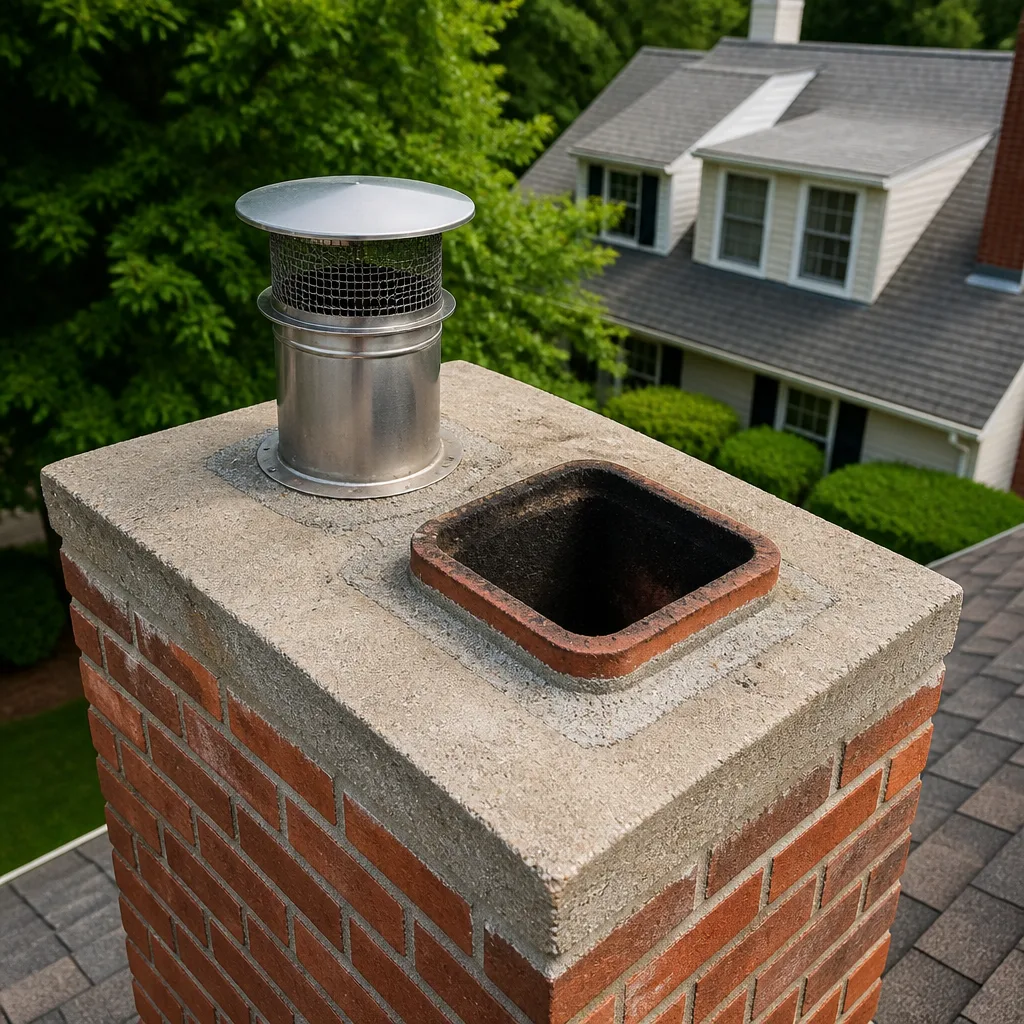 Sweep & inspection
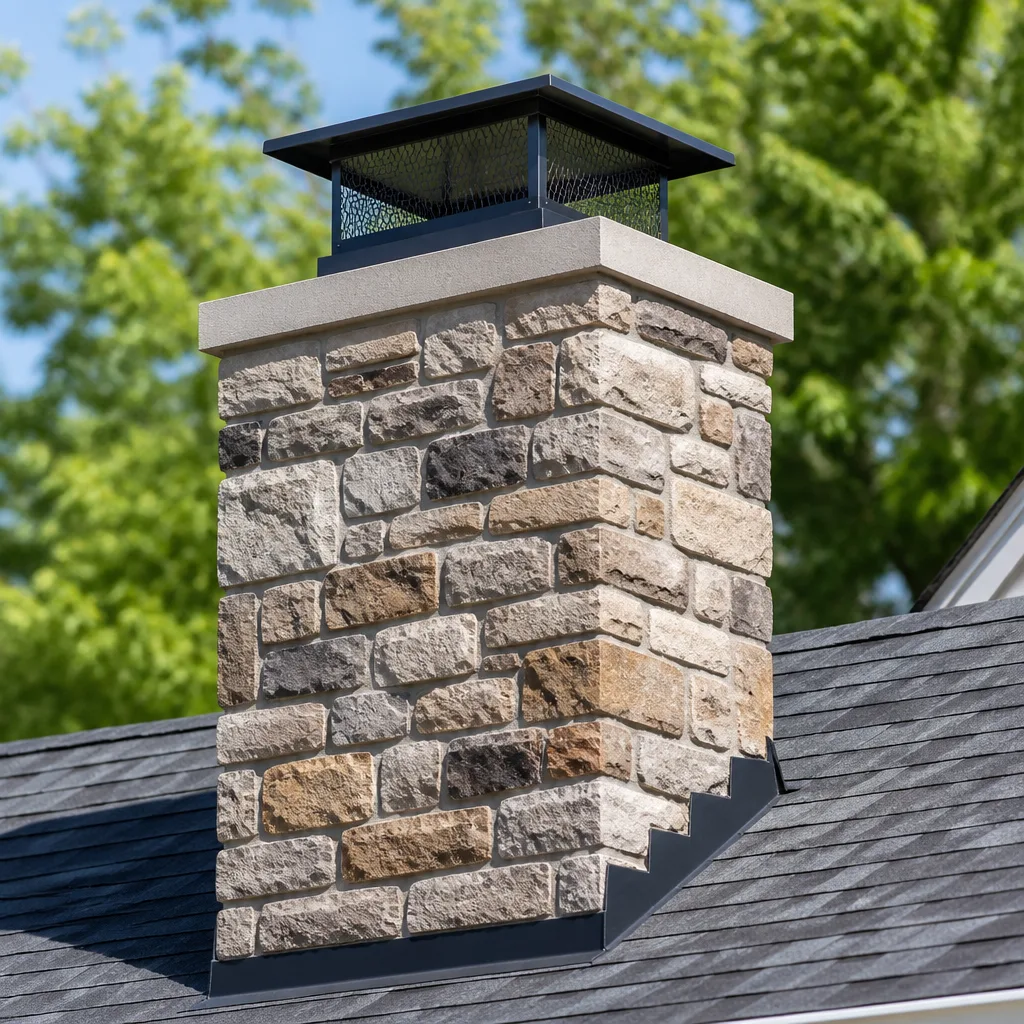 Caps & crowns
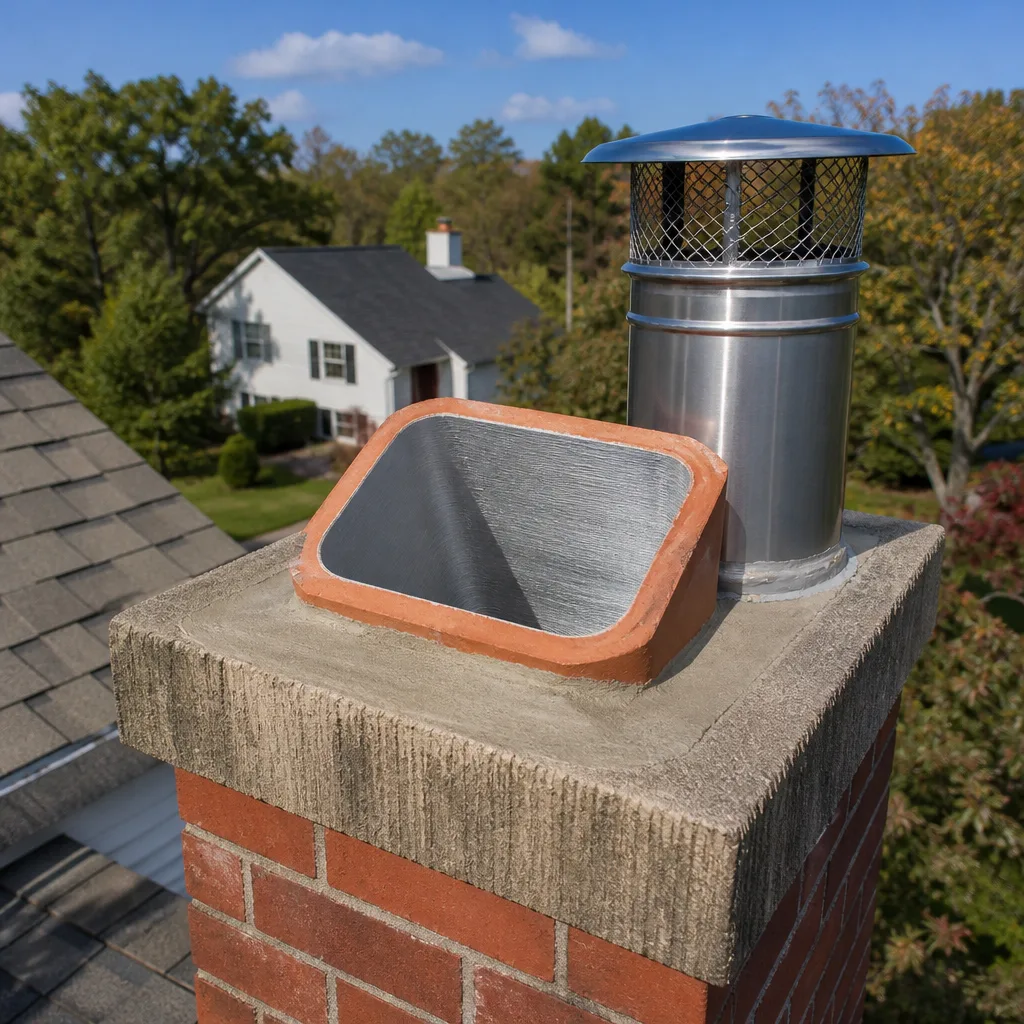 Flue relining
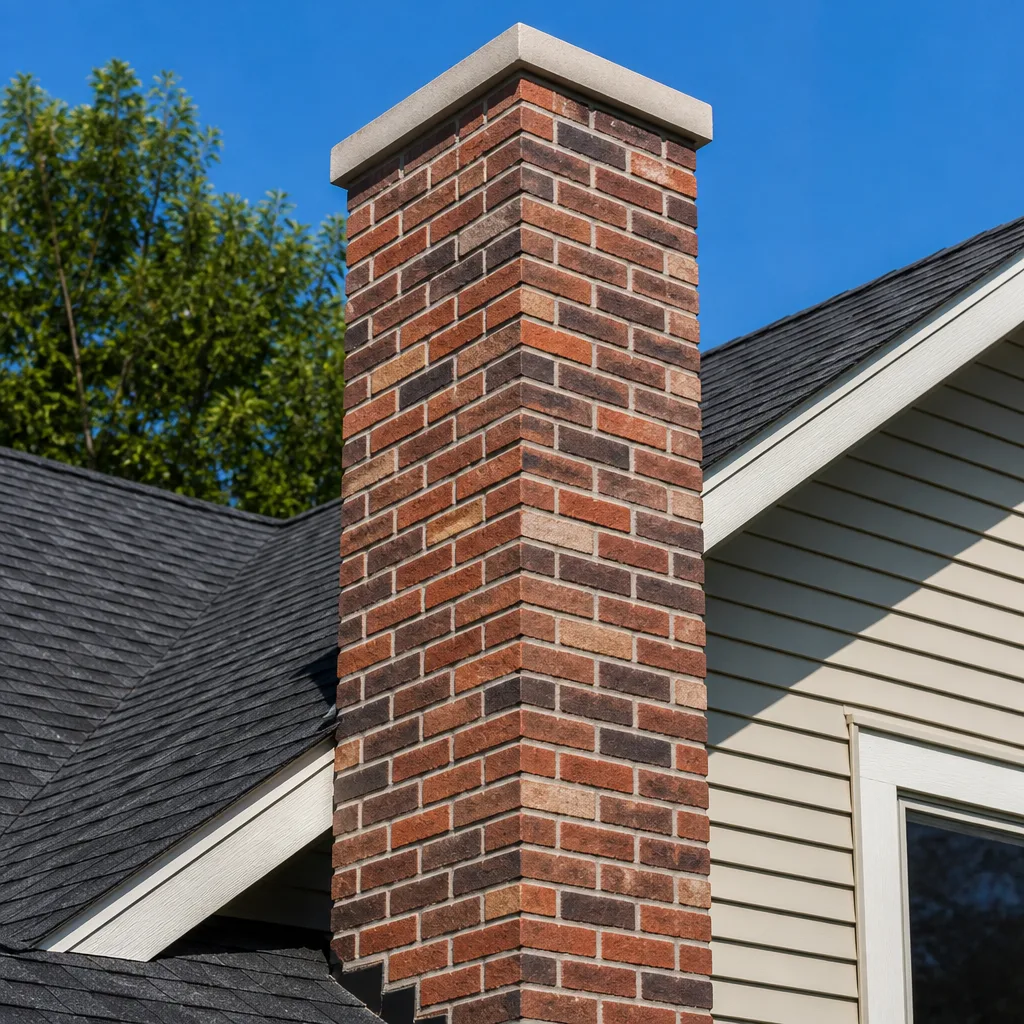 Masonry repair
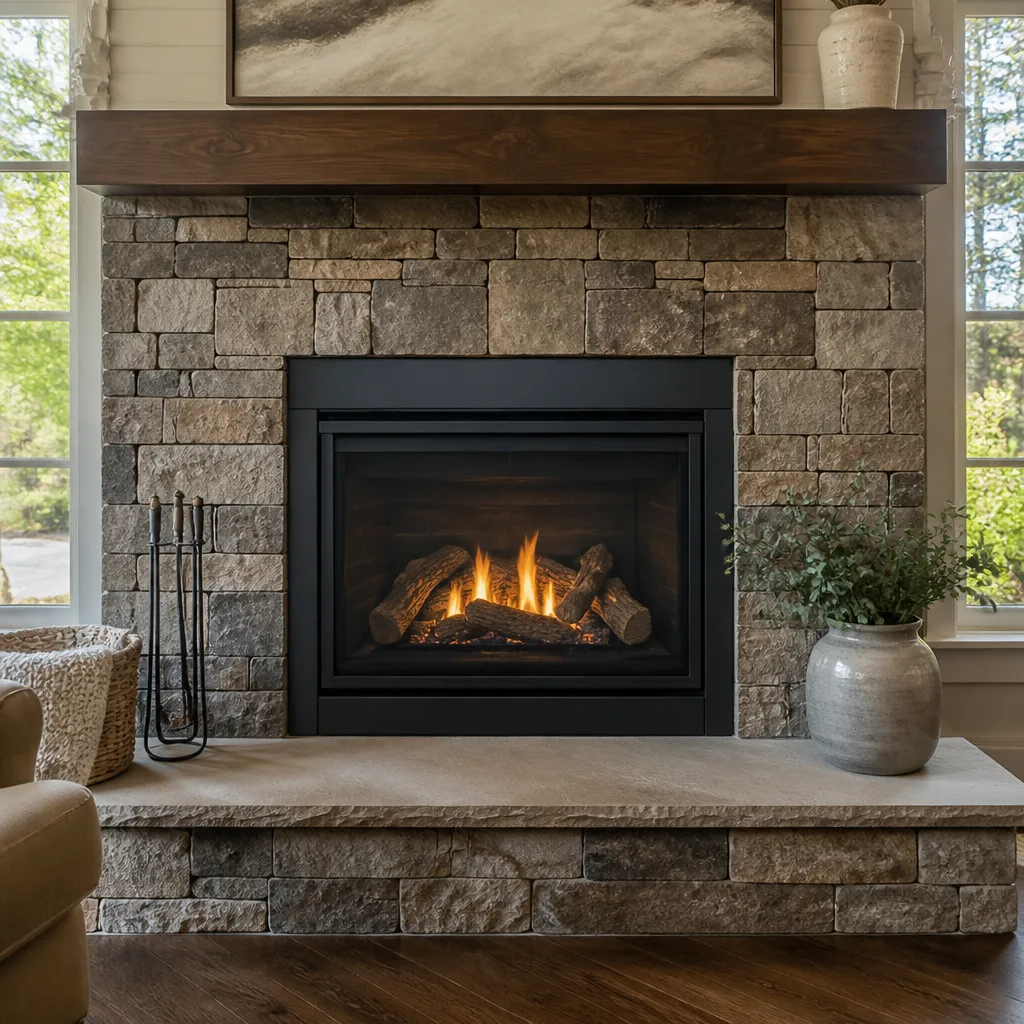 Gas fireplace service
Level 1 sweep and inspection to the NFPA 211 annual standard - flue, crown, cap, and flashing checked and photographed
Chimney sweep logs do not sweep chimneys. They loosen some creosote - which then falls where a brush and vacuum still have to collect it.
The Complete Guide to Chimney Cleaning in Ventura
A fireplace that gets used only a handful of times between October and February can still fail a safety inspection. That surprises a lot of Ventura homeowners, and it makes sense why. Most chimney advice comes from cold-climate regions where fireplaces burn daily for five months straight. Here, the risk profile is different. Moisture, nesting debris, and the kind of incomplete burns that happen when you light a fire on a mild evening and let it smolder for two hours create hazards that have nothing to do with heavy use. This guide explains what actually happens inside a Ventura chimney between cleanings, when a sweep is genuinely necessary, and what a thorough appointment should include. By the end, you will know exactly what to ask for and what to skip.
Styles & brands we work with
- Sweep & inspection
- Caps & crowns
- Flue relining
- Masonry repair
- Gas fireplace service
Quick Answer
Chimney cleaning in Ventura typically costs $180 to $340 for a standard sweep with a Level 1 inspection, and most homes need it every one to three years depending on how often the fireplace is used. A complete appointment should include a visual inspection of the flue liner, smoke chamber, damper, and chimney cap, plus a draft check. If you burn more than a couple cords of wood a year, notice a campfire-like smell in warm weather, or see flaking tile pieces in the firebox, schedule a sweep sooner rather than later. Call (877) 798-8581 for a free estimate. We answer 24/7. Fast dispatch from 7am to 7pm, Sunday through Friday.
Table of Contents
- Why Ventura Chimneys Fail Differently
- What a Chimney Sweep Actually Includes
- How Often Should You Sweep Your Chimney in Ventura?
- Understanding Chimney Inspections: Level 1, Level 2, Level 3
- Creosote in a Mild Climate: The Glazed Problem
- Moisture and Marine Air: The Liner Corrosion Issue
- Lining Repair Options: Restore, Not Just Replace
- Your Dryer Vent Is a Fire Hazard Too
- Common Mistakes to Avoid
- When to Call a Professional
- Frequently Asked Questions
- The Bottom Line
Why Ventura Chimneys Fail Differently
A chimney in Ventura lives a different life than one in Minnesota. The winters are mild, so the fireplace gets used sporadically, often for ambiance rather than heat. That pattern creates a specific failure profile. The most common issue we encounter is not heavy creosote buildup, it is animal intrusion. Birds, squirrels, and raccoons find an unused flue in a quiet neighborhood an inviting place to nest. A nest blocks airflow, traps moisture, and can ignite if enough heat reaches it. The second most common issue is stage-one glazed creosote that forms from incomplete burns, the kind that happen when you light a fire on a 55-degree evening with the damper barely open, let it smolder for an hour, and close everything up. It leaves a hard, shiny coating on the flue walls that a standard brush cannot remove effectively. Neither of these problems requires heavy fireplace use to develop. That is the point most guides miss. A Ventura chimney needs attention because of how it is used intermittently, not because of how hard it works.
Wind is another overlooked factor. Ventura gets strong offshore gusts in the fall and sustained onshore flow in the summer. A missing or damaged chimney cap turns wind into a debris delivery system, shoving leaves, twigs, and dust down the flue. Over the course of a year, that accumulation can become a legitimate draft obstruction. The Thomas Fire area exposure also left many homes in and around Ventura with fine ash residue inside their chimney systems, even if the house itself was untouched. We routinely find that residue during Level 2 inspections, and it matters because ash is abrasive and slightly acidic, both of which accelerate wear on older clay tile liners.
What a Chimney Sweep Actually Includes
A legitimate chimney cleaning appointment involves more than running a brush up the flue. Here is what a complete service should include, and here is what you should expect to hear from the technician afterward. This is the standard we follow, and it is the minimum you should accept from any provider.
- Setup and protection. Drop cloths go down around the hearth. A high-powered vacuum with a HEPA filter runs continuously to keep dust out of the living space. If a company shows up without a vacuum, that alone tells you something.
- Visual inspection of the firebox and damper. The technician checks for cracked firebrick, rusted or warped damper components, and any signs of water intrusion at the throat of the chimney.
- Mechanical sweeping of the flue. A properly sized wire or poly brush is run the full length of the flue. This removes soot, loose creosote, and any debris that has accumulated. For glazed creosote, rotary cleaning tools with specialized chains or whips are required. A standard sweep-and-leave contractor skips this step because it takes longer.
- Smoke chamber cleaning. The area above the damper where smoke gathers before entering the flue is often the most neglected part of a chimney. We clean it, because creosote buildup here is a common ignition point for chimney fires.
- Chimney cap and crown check. The cap should be clear of debris, and the crown, the concrete or mortar surface at the top of the chimney, should be intact. A cracked crown lets water into the chimney structure, which becomes a much bigger repair later.
- Draft test. This is the step that separates a real diagnostic from a cosmetic clean. We verify that air moves up the flue correctly before we leave. Without it, you can have a perfectly clean chimney that still rolls smoke back into the living room every time you light a fire.
- Written findings. You get a plain-language summary of what was found, what was cleaned, and what, if anything, needs further attention. We tell you what we find, not just what sounds alarming.
A sweep-and-leave contractor typically does steps one through four, and sometimes skips the smoke chamber. The draft test and the written findings are what turn a cleaning into an inspection you can actually trust.
How Often Should You Sweep Your Chimney in Ventura?
The standard answer nationwide is once a year. That is not wrong, but it is not precise for Ventura either. The National Fire Protection Association says a chimney should be swept when there is 1/8 inch or more of soot or creosote buildup. How quickly you reach that threshold depends on burn frequency, wood type, and how hot your fires burn. Here is a realistic schedule for Ventura households.
- Occasional use, fewer than 12 fires per year: every two to three years is usually sufficient, provided the chimney cap is intact and no animals have moved in. We still recommend an annual visual check from the ground, which you can do yourself in five minutes.
- Regular weekly use during the cooler months: once a year, ideally in late summer or early fall before the season starts. This is the most common cadence for homes in Ventura that treat the fireplace as a regular evening feature.
- Heavy use, multiple fires per week: twice a year is not excessive. We see this most often in homes that burn wood as a primary heat supplement. Split the cleanings, once before the season and once midway.
- After a wind event or nearby wildfire: schedule an inspection regardless of the calendar. Debris can lodge in the flue in one afternoon. If your home was in a Thomas Fire exposure zone, a one-time Level 2 inspection is a sensible baseline.
- After buying a home: always. You have no way of knowing when the previous owner last cleaned it, and the inspection report from escrow rarely includes chimney internals. Treat it as part of moving in.
These are guidelines, not rules set in stone. The honest answer is that the only way to know for sure is to look. That is what an inspection does. If you are unsure whether you are due, call chimney sweep technicians who can assess it properly.
Understanding Chimney Inspections: Level 1, Level 2, Level 3
Chimney inspections come in three levels, and the distinction matters because they answer different questions. Most Ventura homeowners have only ever encountered a Level 1 inspection, because that is what gets bundled with a standard cleaning. Knowing what each level covers helps you understand what you are paying for and when to insist on more.
Level 1 inspection is a visual check of the readily accessible portions of the chimney, both inside and out. The technician looks at the firebox, damper, flue interior from above or below, cap, and crown. No special tools are used for access. This is the right choice for a routine annual check on a chimney that has not changed since the last cleaning and is being used the same way. In Ventura, a Level 1 is what most homes need most of the time.
Level 2 inspection includes everything in a Level 1 plus a video scan of the flue interior. The camera reaches the areas you cannot see from either end, including offset sections, the smoke chamber, and the full liner length. You need a Level 2 after any event that could have damaged the flue, such as a chimney fire, a significant wind storm that may have knocked debris loose, or an earthquake. It is also required during real estate transactions in many areas and is a sensible step after the Thomas Fire exposure period in Ventura. The video footage gives you evidence of what the inside actually looks like, which is valuable when someone tells you that you need liner work. We tell you what we find, and we can show you the footage.
Level 3 inspection is the most invasive. It involves removing portions of the chimney structure, such as the crown, interior walls, or masonry, to access concealed areas. You would only need a Level 3 if a Level 2 revealed a serious concern that cannot be fully evaluated without demolition. It is rare. Most Ventura chimneys never require this level of inspection in their entire service life. But if you do need it, it means something real was found, and you should get the full picture before making a repair decision.
The right question to ask any chimney company is straightforward: “What level of inspection does your cleaning include?” If the answer is vague, you are probably getting less than you think.
Creosote in a Mild Climate: The Glazed Problem
Creosote is the byproduct of incomplete wood combustion. Smoke cools as it rises, and the unburned particles condense on the flue walls. In a cold-climate home where fires burn hot for hours, creosote tends to form as a dry, flaky, sooty layer that brushes off relatively easily. In a Ventura fireplace, the pattern is often different. Fires are shorter. They are lit for atmosphere, not to drive out a hard freeze. The damper may be partially closed to keep more heat in the room. Wood may not be fully seasoned. All of that produces a cooler, smokier fire, and a cooler fire produces the kind of creosote that causes the most problems: a hard, shiny, tar-like coating called glazed creosote.
Glazed creosote is trouble for two reasons. First, it is extremely difficult to remove with standard chimney brushes. It bakes onto the flue surface and requires rotary cleaning tools with specialized attachments to break it free. A standard sweep-and-leave contractor may not even attempt it. Second, glazed creosote burns hotter than the flaky kind once it ignites. A chimney fire fueled by glazed creosote can reach temperatures that crack clay tile liners in minutes. The good news is that the same conditions that create glazed creosote here also mean most Ventura chimneys do not accumulate it quickly. A moderate buildup over two or three seasons is the common scenario, and it is manageable if caught before it becomes a thick, glassy layer. When you do burn, open the damper fully and let the fire get hot before closing it down. That one habit prevents most of the problem.
Moisture and Marine Air: The Liner Corrosion Issue
Ventura’s coastal climate means damp air much of the year, and that has a specific effect on chimney systems. Masonry chimneys with clay tile liners are vulnerable to moisture penetration through the brick and mortar. Marine air does not corrode brick, but it does keep the chimney structure damp for longer stretches than a dry inland climate would. When that moisture meets the acidic residue inside the flue, the result is a slow chemical attack on the mortar joints between the clay tiles. The joints weaken and eventually fail. Once a flue tile shifts or cracks, the chimney is no longer safely containing the smoke and heat it was designed to handle.
Metal chimney liners face a more direct issue. Galvanized steel liners, common in older prefabricated fireplaces, corrode from both sides in a humid coastal environment. The exterior is exposed to damp air, and the interior is exposed to acidic flue gases. Over time, the metal thins, rusts, and develops holes. A perforated liner does not just leak smoke, it allows heat to reach the surrounding framing, which is the scenario chimney fires are made of. The lesson here is straightforward: in Ventura, a chimney that has not been inspected in five years needs a camera inspection before you use it again, even if it looks fine from the outside. The outside tells you almost nothing about the inside. We use video scans precisely because the important parts are invisible.
Lining Repair Options: Restore, Not Just Replace
When an inspection reveals a damaged flue liner, the old assumption was that a full replacement was the only option. That meant tearing out the old liner, which is expensive, invasive, and frequently unnecessary. The industry has moved on. The approach we favor is restorative where possible, because it solves the actual problem at a fraction of the cost and disruption.
HeatShield ceramic resurfacing is the method we turn to when the liner has cracks, gaps, or spalling but the overall structure is still sound. HeatShield is a specialized ceramic material applied to the interior of the flue, filling gaps and creating a smooth, insulated, code-compliant surface without removing the existing liner. The result is a flue that performs like new, with the original chimney structure left intact. Most sweep-only companies cannot offer this because it requires equipment and training they do not have. For a Ventura homeowner looking at a repair quote, HeatShield is often the difference between a $1,000 restoration and a $6,000 tear-out.
When the liner is too far gone for resurfacing, or when the flue is oversized, offset, or otherwise mismatched for the appliance it serves, a DuraFlex flexible liner system is the better path. DuraFlex liners are made of a continuous aluminum or stainless steel tube that is pulled through the existing flue and insulated. This is the same material specified by CSIA-certified contractors nationwide, and it handles the complex geometry of older Ventura chimneys well. The point is that a damaged liner is not automatically a demolition job. There are repair options that restore function without destroying the chimney, and you deserve to hear all of them before making a decision. We source materials from the brands professionals use, including HeatShield and DuraFlex, because the right material matters as much as the right method.
Your Dryer Vent Is a Fire Hazard Too
Chimney sweeping addresses one fire hazard. Dryer vents are a second, and they cause thousands of house fires every year nationwide. A dryer duct fills with lint over time, and lint is kindling. Once enough of it accumulates, the hot air from the dryer can ignite it. The fire spreads through the duct, and because dryer ducts are frequently concealed inside walls or floors, it can get into the framing before anyone notices. The fact that your dryer seems to work fine does not tell you anything about how much lint is packed inside the duct. A clogged vent forces the dryer to work harder, which makes it run hotter, which dries out the lint, which makes it more flammable. It is a feedback loop that runs quietly inside the walls.
We include dryer vent cleaning alongside chimney services because the two hazards are related in the most important way: neither one announces itself. You will not smell a clogged dryer vent until the situation is already serious. You will not see the lint buildup inside a wall cavity. The fix is the same kind of inspection-based maintenance that keeps a chimney safe. A proper dryer vent cleaning involves more than vacuuming the lint trap. We clean the full duct run from the dryer to the exterior termination point, verify that the vent cap opens correctly, and check for any blockage or crush damage. For a Ventura household, this is a service that should be on the schedule every one to two years, depending on laundry volume. It is not an upsell. It is the other half of the same fire-prevention job.
Common Mistakes to Avoid
- Skipping the inspection because the fireplace is rarely used. Low use does not mean low risk. Animal nests, debris from wind, and moisture damage all progress without a single fire being lit. A Ventura chimney can become unsafe in the off-season just as easily as during the winter.
- Hiring based on price alone. A $99 sweep that includes no inspection, no draft test, and no documentation is a task, not a safety check. The real value in a chimney appointment is what the technician finds, not just what they brush away.
- Assuming the smell means it just needs a cleaning. A campfire odor in warm weather is often a moisture problem. When humid air moves down a chimney, it carries creosote odor with it. Cleaning helps, but if the root cause is a missing cap or cracked crown, the smell returns. Fix the water entry first.
- Burning unseasoned wood. Green wood burns cooler and smokier, which directly accelerates glazed creosote formation. In Ventura, wood that has been sitting covered for six months is still often not dry enough. Buy wood a season ahead and let it cure.
- Closing the damper too soon. After the flames die down, leave the damper open until the embers are completely out. Closing it while the fire is still smoldering traps smoke and moisture in the flue, which is exactly how glazed creosote forms.
- Ignoring the dryer vent because it is not a chimney. Lint fires happen in homes with clean chimneys. The two systems are separate fire hazards, and both deserve attention.
- Trusting a visual check from the ground. You can see the cap and crown from outside, but you cannot see the flue interior, the smoke chamber, or the damper assembly. Most problems are invisible from the ground. A camera inspection is the only way to actually know the condition of the system.
When to Call a Professional
Some chimney situations are obvious. If you see smoke rolling back into the room, hear animals in the flue, or notice pieces of tile in the firebox, you already know you need help. But most problems are quieter. A faint odor in warm weather, a fire that struggles to draw, a damper that sticks, a cap that looks slightly tilted, these are the signs that get ignored until they become expensive. The rule we use is simple: if you are unsure whether something is normal, it is worth a call. A professional can assess it quickly and tell you whether action is needed or whether it can wait. Chimney Sweep Ventura offers free estimates in Ventura. Call (877) 798-8581. We answer 24/7. Fast dispatch from 7am to 7pm, Sunday through Friday.
Frequently Asked Questions
A standard chimney sweep with a Level 1 inspection in Ventura typically costs between $180 and $340, depending on the chimney height, the amount of buildup, and whether the flue is lined with clay or metal. If the chimney has glazed creosote or has not been cleaned in several years, the price may be higher because rotary cleaning tools are required. The final price is set by the written estimate before work begins. Call (877) 798-8581 for an exact quote. Estimates are free.
The only honest way to know is to see the footage. A video inspection shows the actual condition of the flue liner, and any recommendation to repair or replace it should come with that footage so you can see the damage yourself. Many liner problems can be restored with HeatShield ceramic resurfacing rather than a full replacement, which is a less invasive and less expensive option. We tell you what we find, and we show you the evidence before recommending any work.
In Ventura, a chimney used occasionally, fewer than 12 fires per year, usually needs sweeping every two to three years. A chimney used weekly during the cooler months should be swept annually, ideally before the season starts. The only way to know for certain is to have the flue inspected, since buildup rates vary depending on wood type, burn habits, and chimney condition.
The flue accumulates creosote, which is flammable, and the buildup narrows the passageway for smoke and exhaust gases. Over time, this creates two risks: a chimney fire, which can crack the liner and spread to the house, and carbon monoxide backup into the living space, which is odorless and potentially fatal. In a Ventura home where fires are infrequent, the more common consequence is a blocked flue from animal nesting or wind debris, which can cause smoke rollback and water damage. Neither outcome is worth the money saved by skipping a cleaning.
The smell is creosote odor, and it happens when humid air moves down the chimney and picks up the smell of the residue coating the flue walls. In Ventura, where warm, damp air is common much of the year, this is a frequent complaint. The fix is usually a combination of a thorough sweep to remove the creosote and a diagnosed water entry solution, such as a new cap or crown repair. Cleaning alone often does not solve it because the moisture source remains. Call us and we can trace it.
In specific situations, yes. After the Thomas Fire exposure period, after a strong wind event knocked debris around, if you experienced a chimney fire, or if you are buying a home, a Level 2 inspection with a video scan gives you definitive information about the flue interior. For a routine check on a chimney that has been regularly maintained and is used the same way as before, a Level 1 is usually sufficient. The right time to upgrade is when something has changed.
The Bottom Line
Chimney cleaning in Ventura is not a once-a-decade afterthought. It is a maintenance rhythm that accounts for intermittent use, coastal moisture, wind-borne debris, and the risk of animal intrusion, all of which occur whether or not you ever light a fire. A proper appointment includes a real inspection, not just a brush pass, and the findings should be documented in plain language. Liner damage is fixable without a full tear-out in many cases, and the right materials, from brands like HeatShield and DuraFlex, make the repair last. When in doubt, get a camera inside the flue and see the condition for yourself. That is the only way to know. For a free estimate in Ventura, call (877) 798-8581. We answer 24/7. Fast dispatch from 7am to 7pm, Sunday through Friday.
Written by the team at Chimney Sweep Ventura, serving Ventura since 2011.
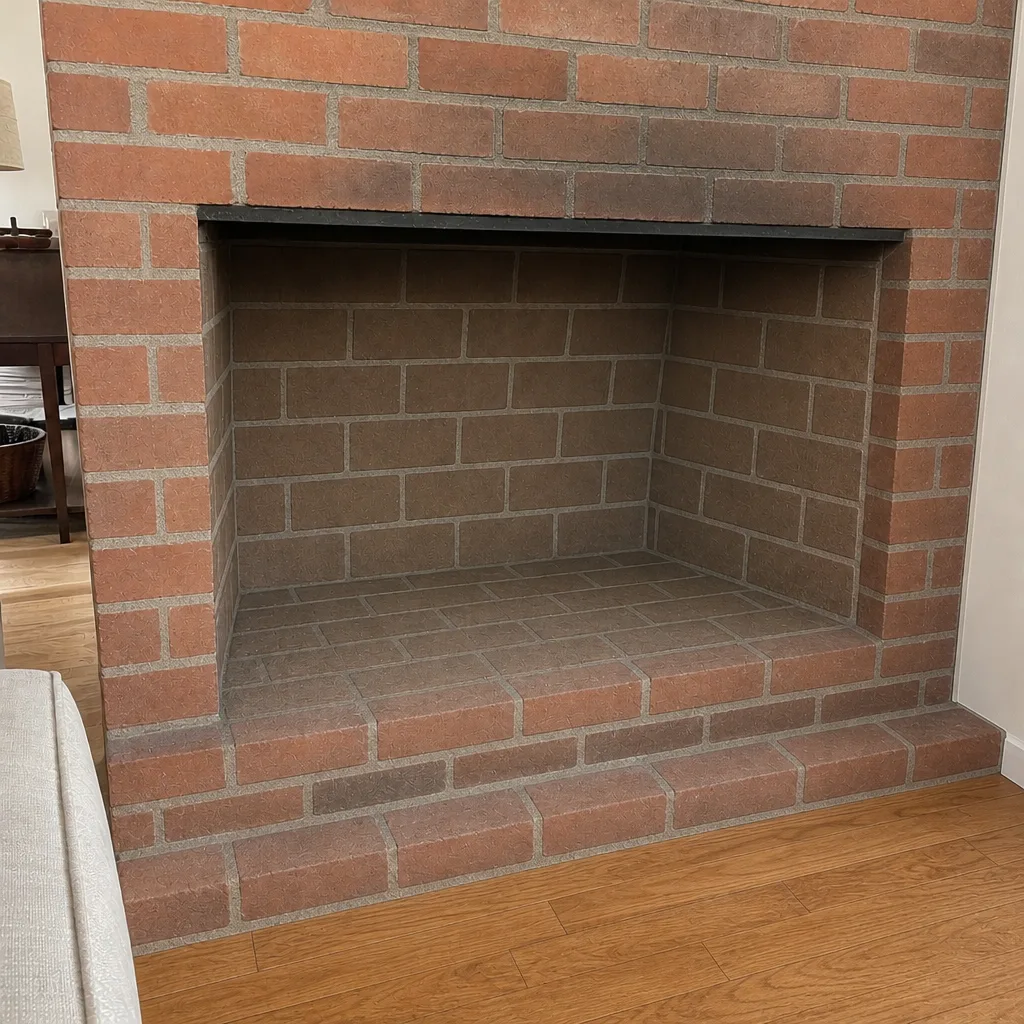
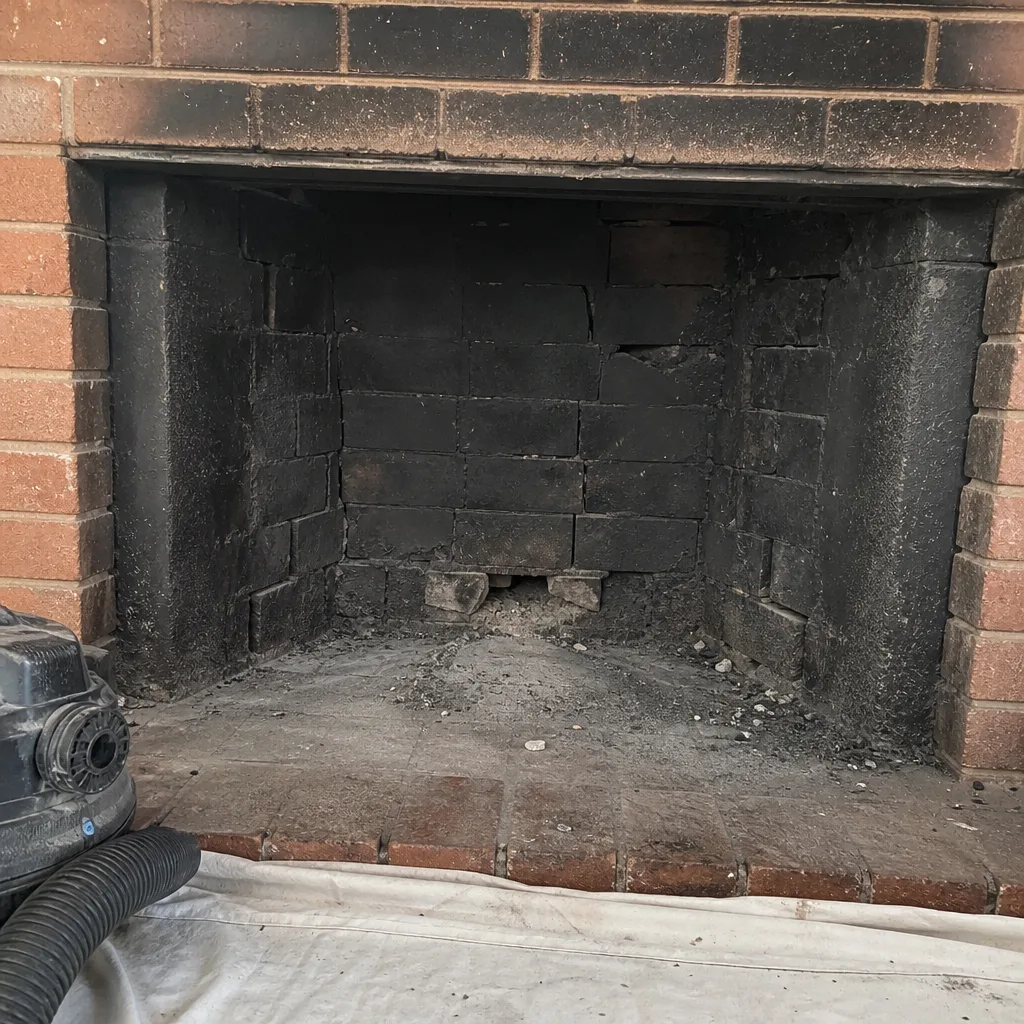
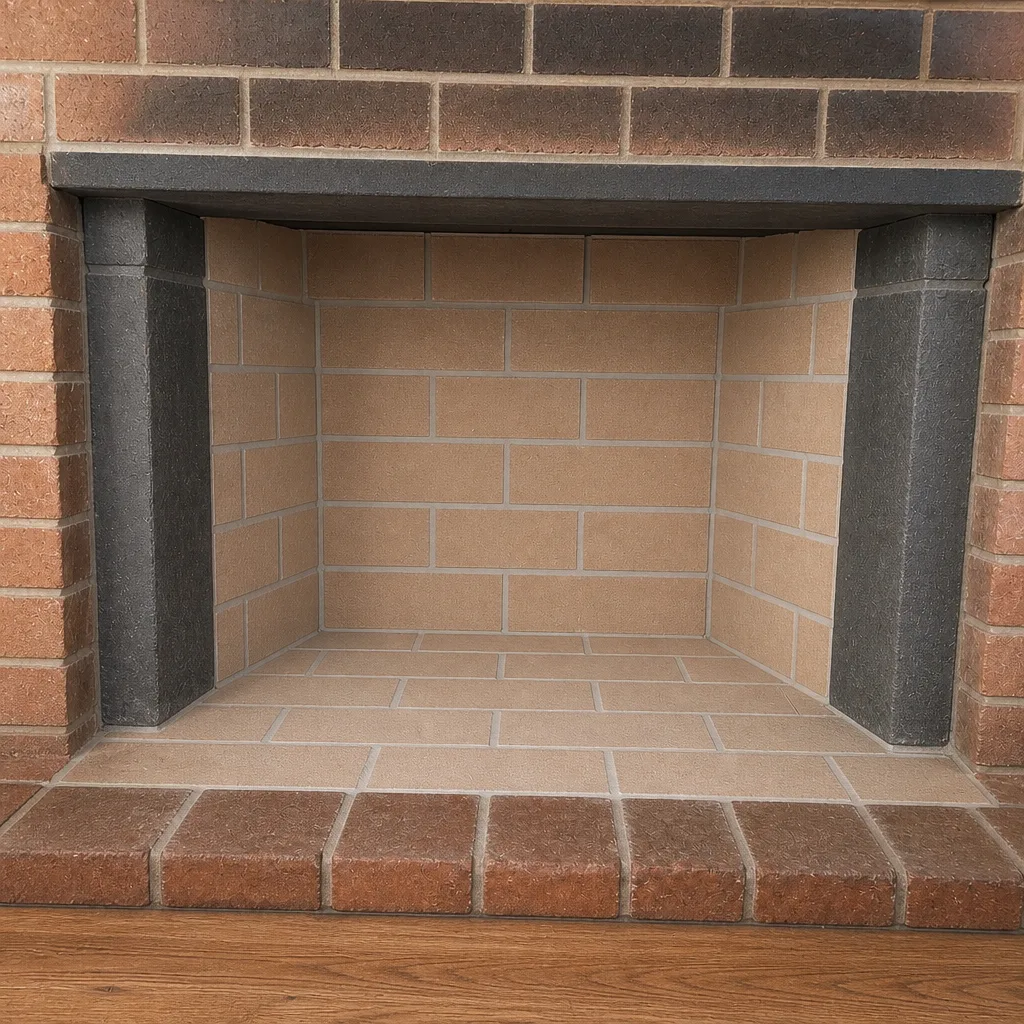
See the difference
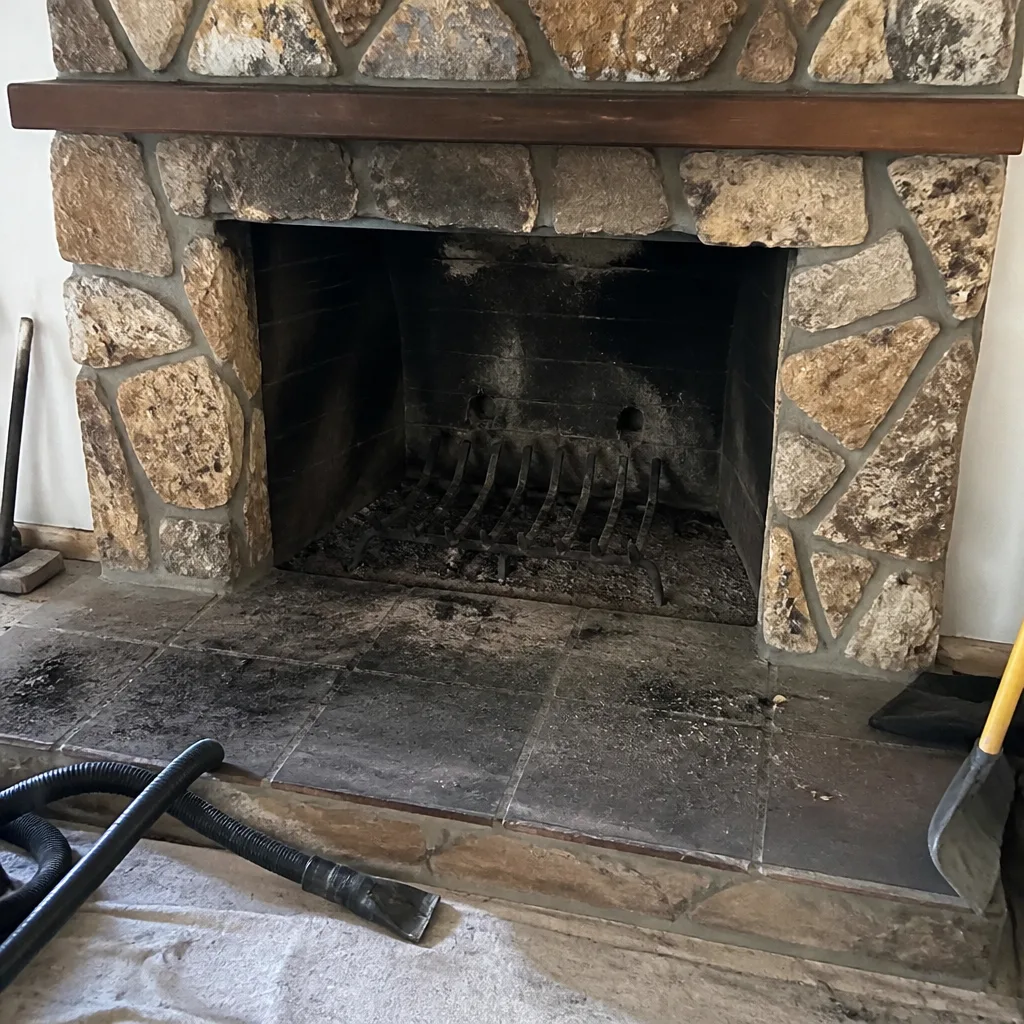 Before
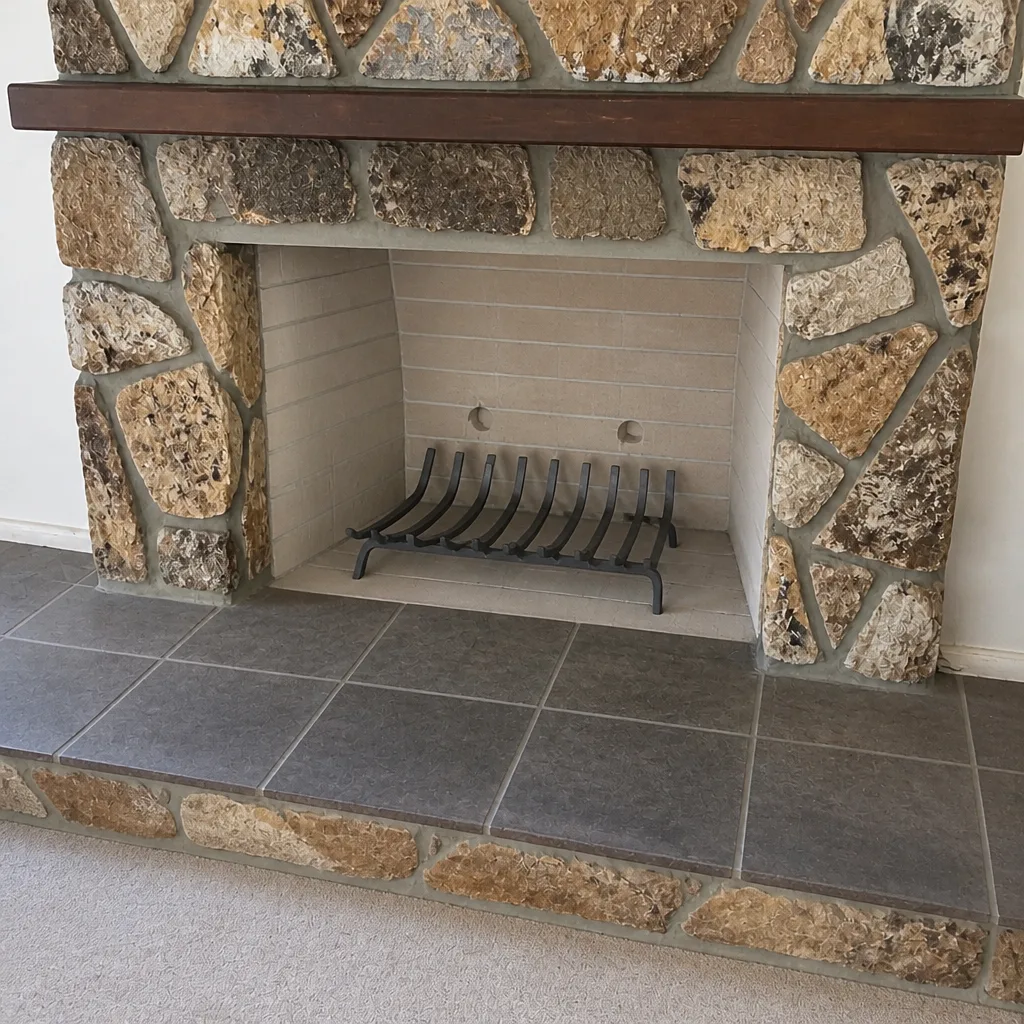 After
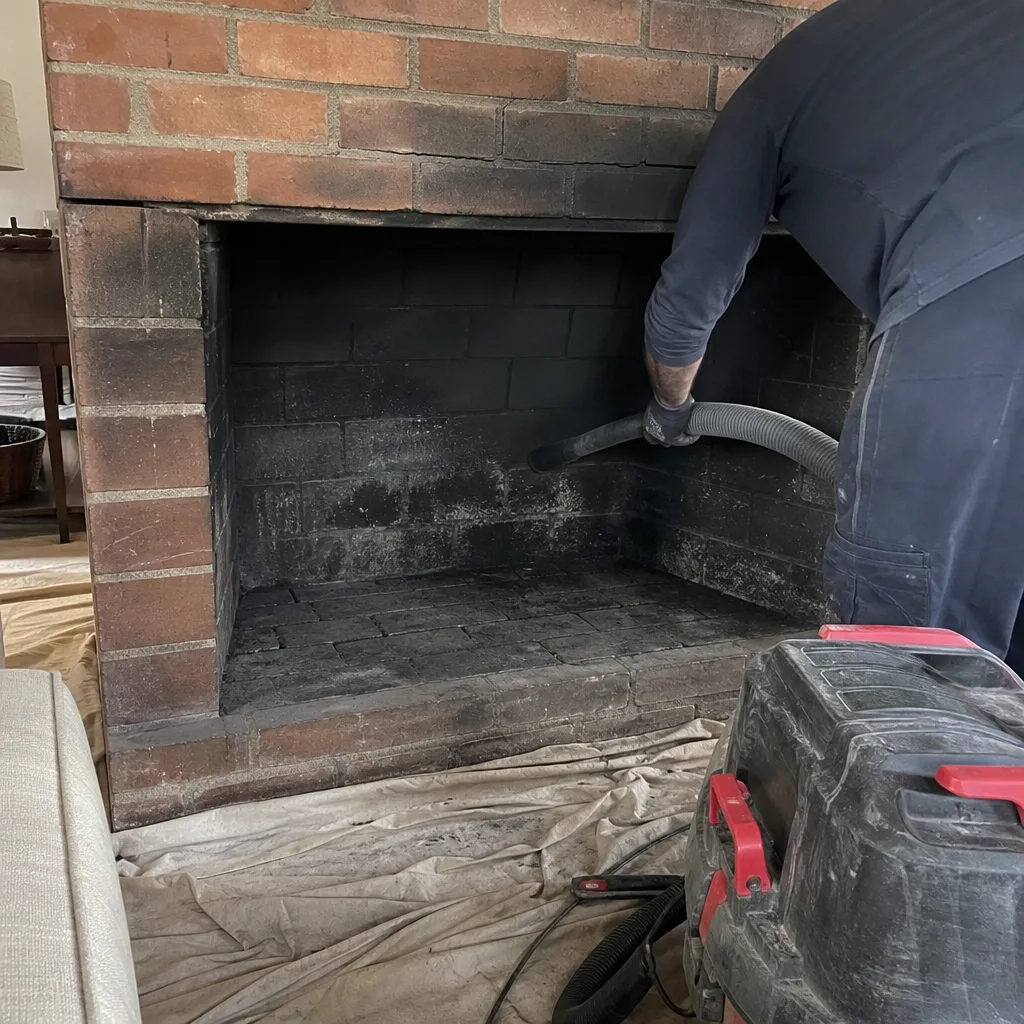 Before
 After
 Before
 After