
Last updated November 4, 2026
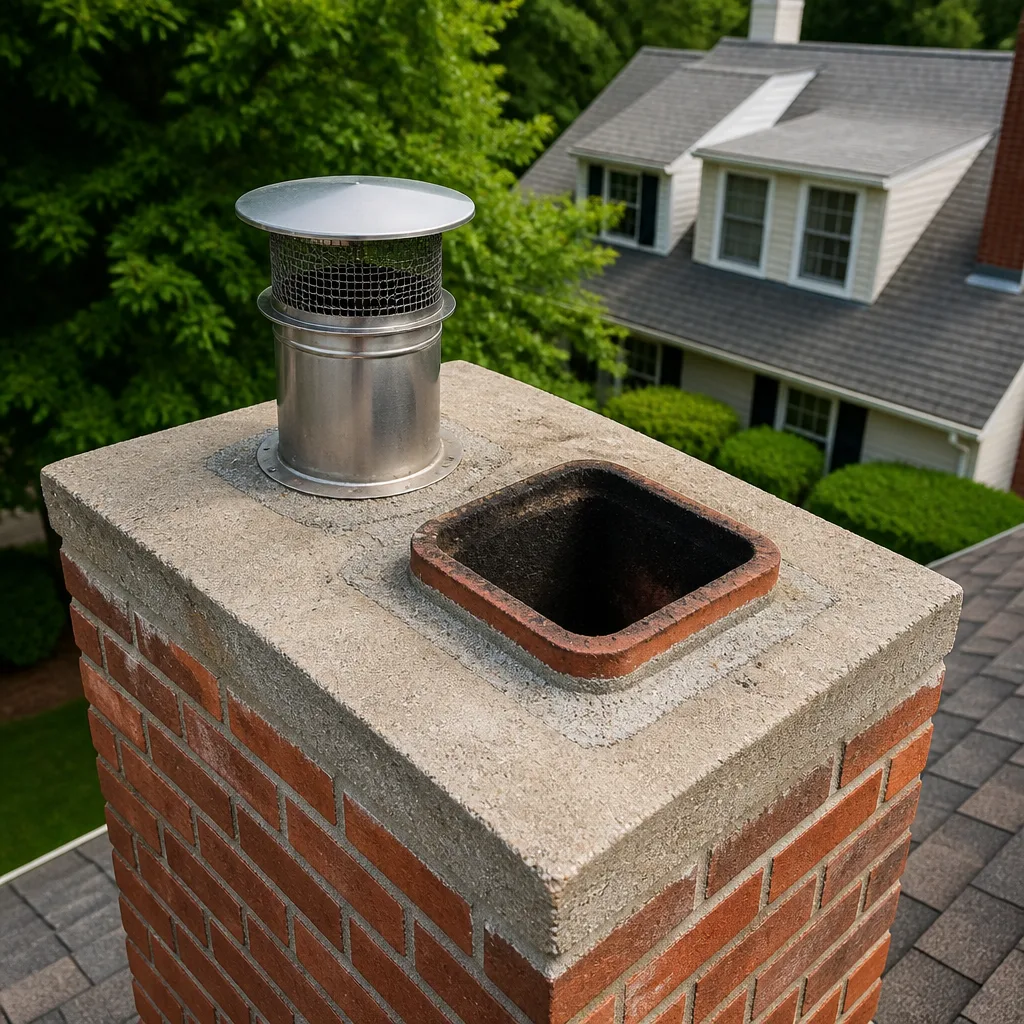 Sweep & inspection
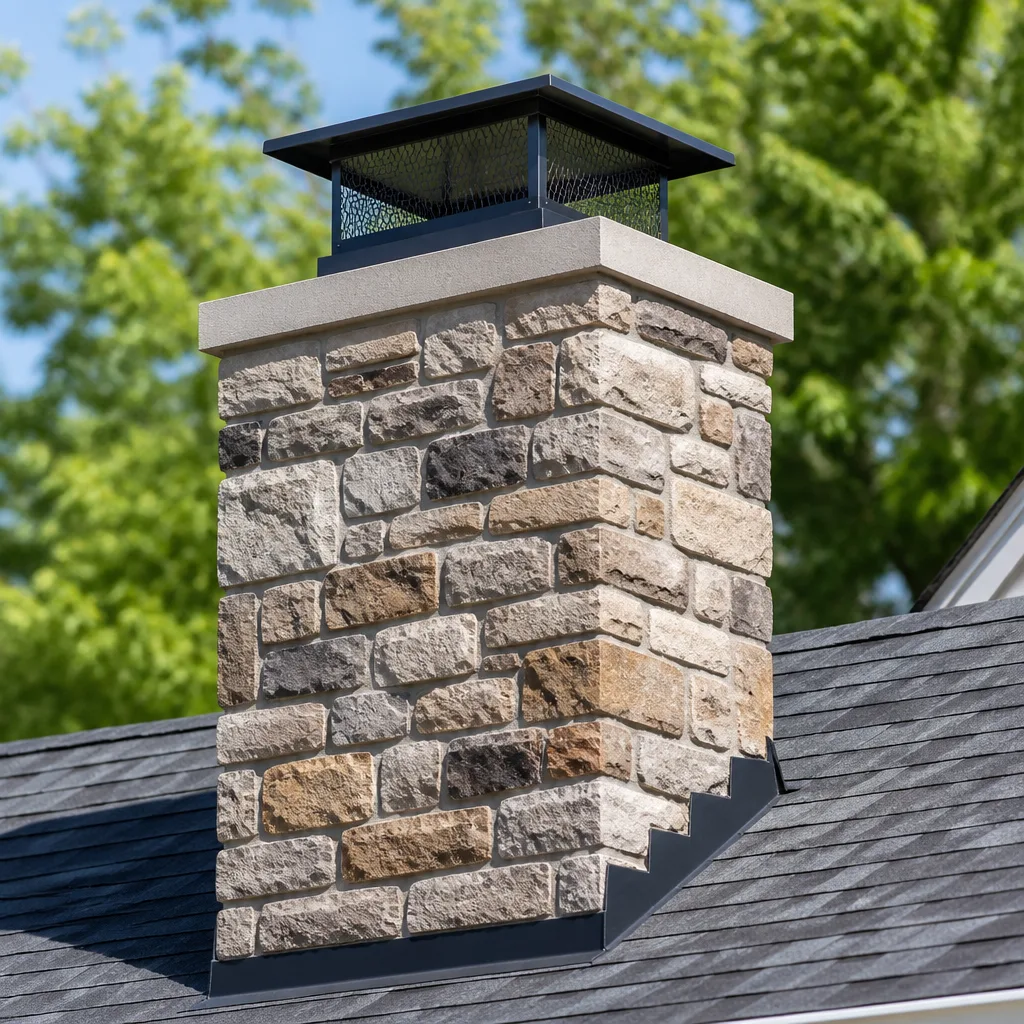 Caps & crowns
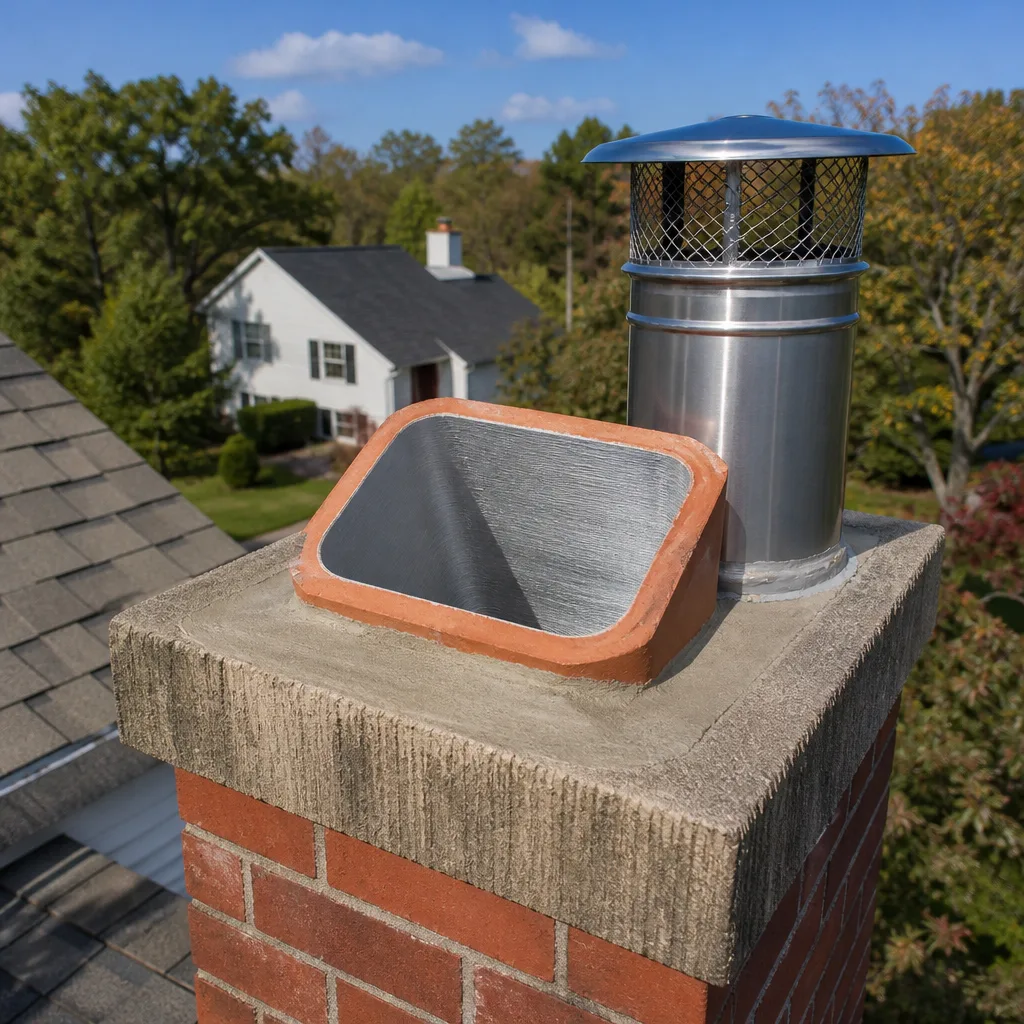 Flue relining
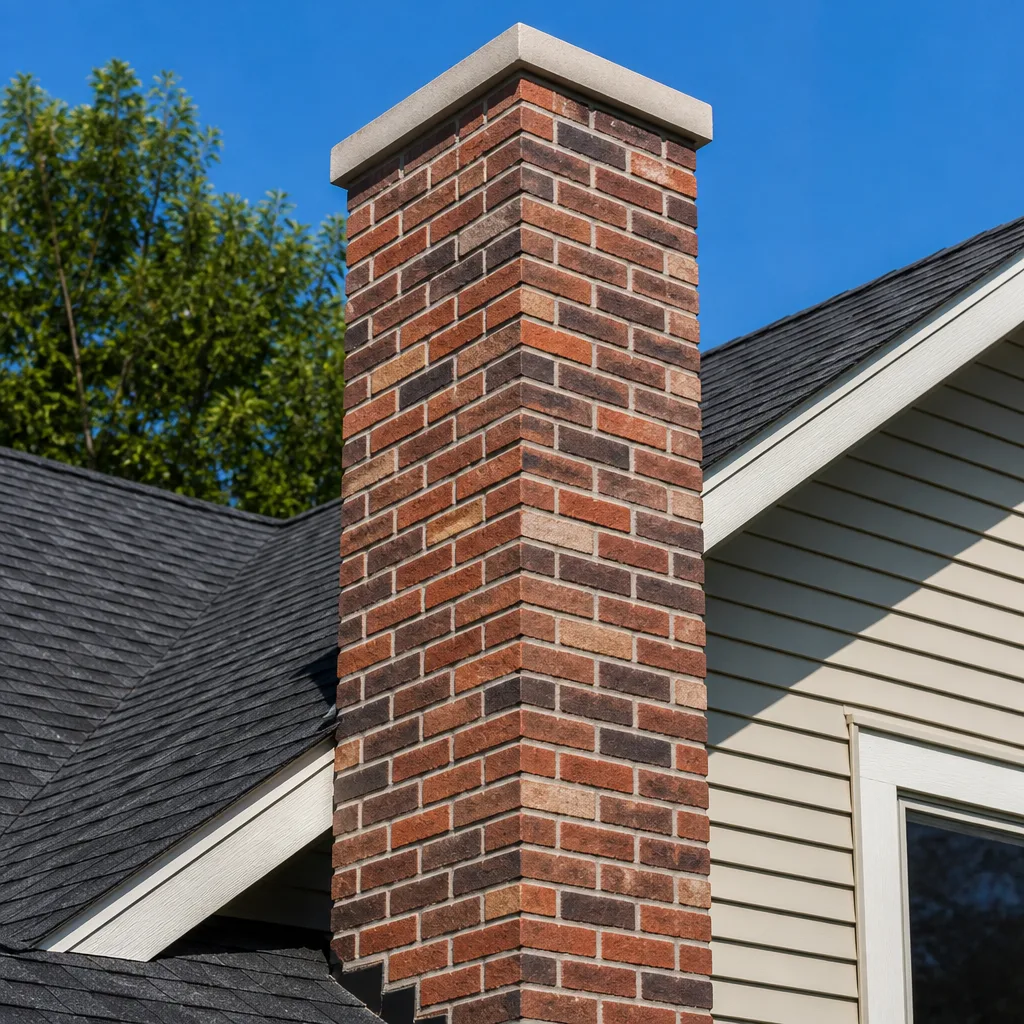 Masonry repair
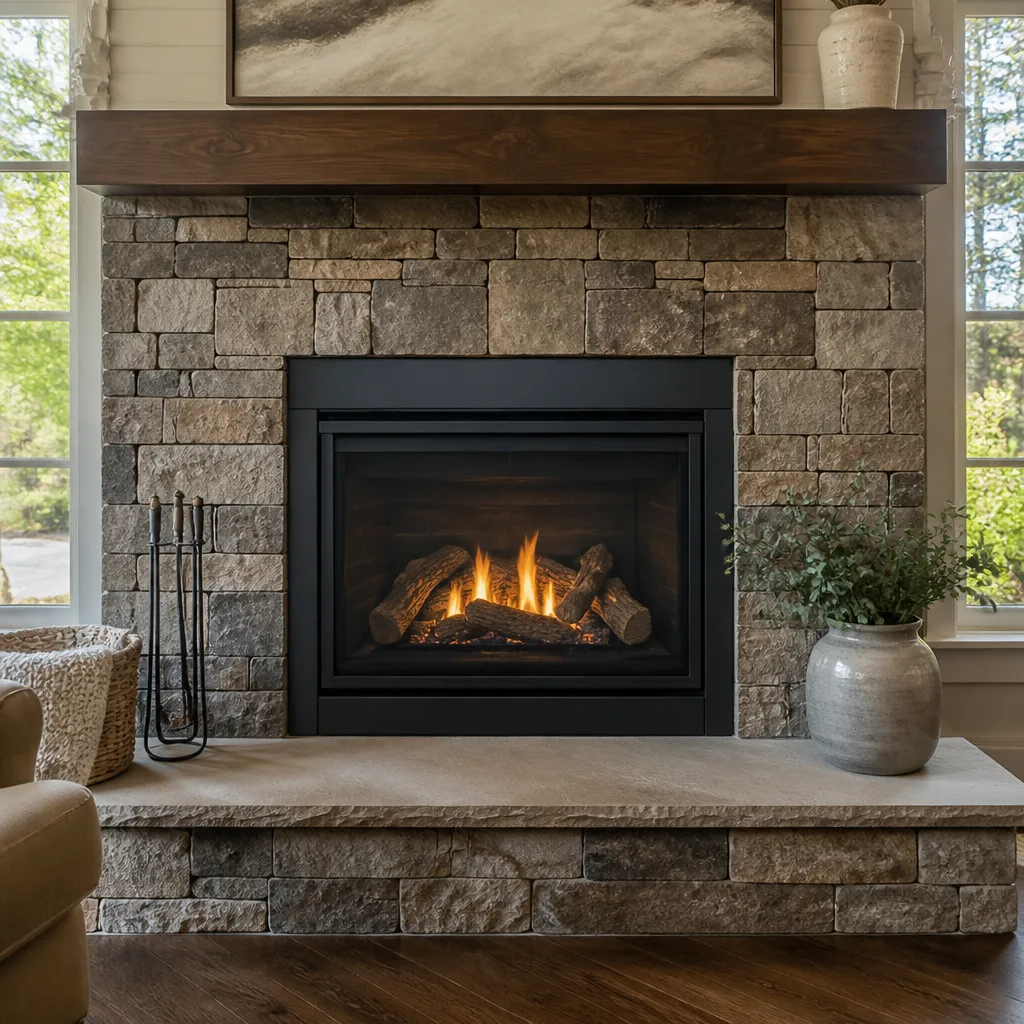 Gas fireplace service
Level 1 sweep and inspection to the NFPA 211 annual standard - flue, crown, cap, and flashing checked and photographed
Chimney sweep logs do not sweep chimneys. They loosen some creosote - which then falls where a brush and vacuum still have to collect it.
DIY vs Professional Chimney Cleaning: The Ventura Homeowner’s Decision Guide
Brush kits will remove loose creosote from your flue. They will not tell you whether your flue tiles are cracked, your liner has separated, or your cap is letting in enough moisture to rot your smoke chamber. In Ventura, those are the problems that actually cause failures, not the soot you can see from the fireplace opening. This guide walks through what a homeowner brush job actually accomplishes, what it misses, and where the line sits between responsible maintenance and work that needs professional eyes.
Quick Answer
For light surface soot removal between professional visits, a homeowner with the right brush and a safe ladder setup can handle basic maintenance. But a professional chimney sweep does more than remove soot: the technician inspects the liner, checks the cap and crown, evaluates moisture entry, and documents condition with camera equipment. In Ventura, where coastal moisture accelerates liner corrosion and low-use fireplaces build glazed creosote differently than cold-climate chimneys, that inspection step is what separates a cosmetic cleaning from a real safety assessment.
Styles & brands we work with
- Sweep & inspection
- Caps & crowns
- Flue relining
- Masonry repair
- Gas fireplace service
Table of Contents
- What DIY Chimney Cleaning Actually Accomplishes
- What DIY Cleaning Cannot Detect
- Ventura Conditions That Change the Equation
- Equipment Professionals Use That Homeowners Typically Don’t Have
- When DIY Maintenance Is Reasonable
- The Insurance Question: What Self-Cleaning Means After a Fire
- How to Choose Between DIY and a Professional Sweep
What DIY Chimney Cleaning Actually Accomplishes
A homeowner chimney cleaning kit typically includes a polypropylene or wire brush sized to the flue, fiberglass rods that screw together, and a drop cloth. You run the brush up and down the flue from the firebox or from the roof, knocking loose soot and first-stage creosote so it falls into the firebox where you can vacuum it out. That is a legitimate task for light maintenance between professional appointments.
Here is what a DIY brush job can do:
- Remove loose soot from the flue walls. This is the black powder that accumulates after even a few fires. It brushes off easily and is the least dangerous form of buildup.
- Knock down light first-stage creosote. In a well-drafted chimney with dry hardwood, early creosote forms as a flaky deposit that a stiff brush will remove.
- Improve draft slightly by clearing the most obvious airflow obstruction on the flue surface.
- Give you a look at the flue opening from the top or bottom, though not a diagnostic view.
What a brush kit will not do is tell you whether the flue is safe to use. It will not reveal hairline cracks in clay tiles. It will not show you a separated liner joint fifteen feet down from the cap. It will not identify stage-three glazed creosote, which is hard, shiny, and almost impossible to remove with a homeowner-grade brush. It will not flag a damaged chimney cap or a crown that is spalling and letting water into the masonry. Those omissions matter more in Ventura than in a cold-weather market, because the failures here tend to be structural and moisture-driven rather than purely creosote-driven.
What DIY Cleaning Cannot Detect
The physical act of brushing a flue is not the hard part of the job. The hard part is knowing what the inside of the flue is telling you. Professional sweeps use a camera scope for a reason: most of the liners we evaluate are not visibly damaged from the firebox or the roof. The damage is in the middle third, where heat cycles and moisture have done their worst work.
A professional inspection looks at conditions a brush cannot reveal:
- Cracked or spalled flue tiles. Clay tile liners crack from heat cycling over years. A crack opens a path for heat and combustion gases to reach the masonry around the flue. You cannot see a mid-flue crack without a camera.
- Separated liner joints. In older chimneys, especially those with offset flue paths, liner sections can separate. That creates a ledge where creosote accumulates and a gap where heat escapes.
- Glazed creosote. Stage-three creosote looks like tar and burns like fuel. It forms more readily in low-use fireplaces where fires burn cooler and smoke lingers. A wire brush will not remove it; it requires chemical treatment and rotary cleaning heads.
- Moisture damage in the smoke chamber. The smoke chamber sits above the damper and below the flue. It is a common spot for water intrusion from a failed crown or cap. Moisture softens the mortar joints and can rot the chamber over time.
- Bird and animal entry. Ventura’s year-round mild climate means wildlife does not migrate away in winter. Birds, squirrels, and raccoons find uncapped chimneys in every season. A professional will spot nesting material, droppings, or a dead animal that a brush job would push further down or miss entirely.
None of that is fear-based. It is just the reality of what sits between a firebox and a rain cap. A DIY brush removes what you can reach. A professional sweep tells you what you cannot see.
Ventura Conditions That Change the Equation
Chimney problems are local. The advice a homeowner in Minnesota needs about freeze-thaw damage is not the advice a Ventura homeowner needs, because our winters are mild and our failure patterns follow moisture, low-frequency use, and wildlife. Three Ventura-specific conditions push the DIY-versus-professional decision toward professional service more often than not.
Coastal moisture and liner corrosion. Ventura’s air carries enough humidity that metal components inside the chimney system corrode faster than they would inland. Steel damper assemblies, cast-iron dampers, and steel liner sections all oxidize. A corroded damper stops sealing fully, which changes draft and lets conditioned air escape when the fireplace is not in use. A corroded liner joint can separate and expose the masonry behind it. A homeowner with a brush kit will not see these issues, because they happen at connection points, not on flat flue surfaces.
Wildlife intrusion risk. Ventura’s climate does not force animals to migrate or hibernate the way cold-weather climates do. That means your chimney is a candidate for nesting material twelve months out of the year. Squirrels, birds, and raccoons all look for dark, enclosed, elevated spaces. A missing or damaged cap is an open invitation. Animal nests inside a flue are a fire hazard and a carbon monoxide risk, and they typically sit far enough down the flue that a brush from the top pushes them deeper rather than removing them.
Low-use glazed creosote buildup. Many Ventura homeowners use their fireplace occasionally, not daily. A fire on a cool evening here and there, maybe two dozen fires a year. That pattern produces cooler, smokier fires that deposit creosote faster and with more tar content than hot, well-seasoned burns. The result is often stage-two or early stage-three creosote: sticky, dense, and difficult to brush. A homeowner brush job will skim the surface and leave the bonded layer behind. A professional rotary cleaning head with the right chemical treatment removes what a static brush will not.
None of this means every Ventura chimney is dangerous. It means the variables that determine whether a flue is safe are not the variables a DIY brush job measures.
Equipment Professionals Use That Homeowners Typically Don’t Have
The equipment gap is not about premium brands or proprietary tools. It is about diagnostic access. A homeowner can buy a brush kit for under a hundred dollars, and the brush itself will do roughly the same thing a professional brush does. It is the equipment around the brush that changes the outcome.
- Camera scope with flexible feed. This is the single biggest difference. A camera scope shows the actual condition of the liner from top to bottom, including heat cracks, missing mortar joints, water staining, and animal debris. The images become the basis for any repair recommendation. Without a camera, a cleaning is just a cleaning. With a camera, a cleaning is also an inspection.
- Negative-pressure vacuum system. A homeowner vacuum, even a shop vac with a HEPA filter, does not create the negative pressure needed to keep fine soot and creosote dust from entering the living space during cleaning. Professional sweeps use high-volume, negative-pressure systems that pull air from the room into the firebox and out through the flue during the cleaning process, so dust stays contained. That matters for indoor air quality and for not redistributing creosote particles onto furniture and carpet.
- Rotary cleaning heads with chain or cable attachments. A hand brush works on loose soot and light creosote. Glazed creosote and heavy stage-two buildup need mechanical agitation. Rotary heads spin at speed and break the bond between creosote and flue wall. Most are designed for specific liner types, so the technician selects the correct head for clay tile, stainless steel, or cast-in-place liner systems.
- Liner gauges and inspection mirrors. A technician can measure the actual inside diameter of the flue at multiple points. That matters because a chimney built for an older, larger appliance may be oversized for a modern wood stove insert, and an oversized flue changes draft and creosote accumulation. A gauge verifies what the camera suggests.
- Repair materials from the professional supply chain. When we find a liner that can be repaired rather than replaced, we use products sourced from the same professional-grade brands specified by certified chimney installers. For liner restoration, that means HeatShield ceramic resurfacing, which rebuilds a damaged clay liner from the inside and brings it back into service without a full tear-out. For liners that need replacement, DuraFlex flexible liner systems handle offset and aged flue configurations that a rigid liner cannot follow. Those are structural repair capabilities, not cleaning accessories, and they are the difference between identifying a problem and being able to resolve it.
None of this equipment is practical for a homeowner to own. The camera scope alone, with the right focal length and lighting for a dark flue, costs more than most people spend on years of professional cleanings. The equipment exists for a reason: the job is not done when the brush stops moving. The job is done when you know the condition of the system.
When DIY Maintenance Is Reasonable
We are not here to tell you that every homeowner should never touch a chimney brush. That is not true. A homeowner who uses their fireplace regularly and is comfortable on a ladder should be able to inspect the firebox, check the damper, and remove loose surface soot between professional visits. The key is knowing what to do and what not to do.
Reasonable DIY tasks between professional appointments include:
- Removing loose soot from the firebox floor and walls. Use a shop vacuum with a fine-dust filter. Do not sweep with a broom and dustpan; that pushes soot into the air.
- Checking the damper for smooth operation. A damper that sticks, rusts, or does not seal fully should be noted. Do not force it.
- Inspecting the visible masonry from the ground. Look for cracked bricks, missing mortar joints, or a cap that looks tilted or spalled. You cannot assess the flue interior from the ground, but you can spot obvious exterior damage.
- Checking the cap from the roof if you are comfortable with ladder safety. A missing or damaged cap is a direct path for water and animals. If you can safely see it, you can spot an obvious problem.
- Vacuuming the smoke shelf. The flat area just above the damper collects soot that falls from the flue. A vacuum with a narrow attachment can clear it between cleanings.
What you should not attempt on your own:
- Removing glazed creosote. If what you see is shiny, tar-like, or hard, stop. Brushing it will not remove it and may make it worse by polishing the surface. This requires chemical treatment and rotary cleaning.
- Using chemical creosote logs as a cleaning substitute. Creosote modification logs can change the chemistry of stage-one and early stage-two creosote to make it more brushable, but they do not clean the flue. They also do not inspect it. The flue still needs a professional assessment.
- Repairing liner cracks or mortar joints yourself. There are no safe homeowner-grade repair products for flue liner damage. Anything applied to the inside of a flue has to withstand direct flame contact and combustion temperatures. Store-bought sealants are not rated for that environment.
- Climbing onto a steep or high roof without proper fall protection. A fall from a roof is a far more immediate risk than a dirty chimney. If you are not comfortable on a ladder or the roof pitch is steep, do not go up there.
Between professional visits, this level of light maintenance keeps your firebox cleaner and gives you basic awareness of your system. It does not replace an inspection.
The Insurance Question: What Self-Cleaning Means After a Fire
The honest answer is that we cannot tell you exactly how any individual insurance carrier in California will treat a claim after a chimney fire. What we can tell you is what documentation matters, and what most carriers ask for after a fire event.
After a chimney fire, an insurance investigation typically looks for evidence that the homeowner maintained the chimney properly. Maintenance is defined by documentation: receipts from professional cleanings, inspection reports with camera images, and written notes about what was found and what was done. A homeowner who cleaned the chimney themselves can say they did it, but without documentation, there is no third-party record that the flue was actually inspected or that hazards were identified. That is the liability gap: a DIY cleaning gives you no paper trail, no inspection report, and no evidence that the chimney was safe at the time of the fire.
Some carriers ask specifically whether the chimney was cleaned by a professional and can provide a receipt. Others ask for the last inspection date and what was found. If you cleaned it yourself and cannot document the condition of the liner, the insurance company may treat the fire as a maintenance failure rather than an accident. We are not saying every claim gets denied in every case. We are saying that a professional cleaning creates a record, and that record is evidence.
Beyond the insurance question, a professional sweep also addresses the carbon monoxide risk. A chimney that is partially blocked, whether by creosote, a bird nest, or a collapsed liner section, can push combustion gases back into the home. Carbon monoxide is odorless and colorless, and the first sign of a problem is often a CO detector going off, if one is installed. A professional inspection identifies these blockages before they become events. A brush kit cannot tell you whether the flue is drafting correctly under load.
How to Choose Between DIY and a Professional Sweep
The decision is not really about capability. It is about your system’s history, your usage pattern, and what you need to know. A homeowner with a newer house, a stainless steel liner, and a dozen fires a year can reasonably do light surface cleaning between professional visits. A homeowner with an older clay tile liner, unknown chimney history, or occasional wildlife sightings should not treat a brush kit as a substitute for an inspection.
Here is a straightforward framework:
- If you just want the firebox cleaner between visits, a DIY light cleaning is fine. Vacuum the firebox, clear the smoke shelf, and keep using the fireplace.
- If you have not had a professional inspection in more than two years, schedule one. The cost of a sweep is modest compared to what a missed liner crack or animal nest can cost later.
- If you see hard, shiny buildup or notice a smoky smell when the fireplace is not in use, stop burning and call a professional. Those are signs of glazed creosote or a draft problem, and neither one improves with a brush kit.
- If you hear animals in the chimney or see nesting material at the top, do not try to remove it yourself. Animal debris can carry disease, and removing a live animal requires wildlife handling knowledge. A professional will assess the chimney, remove debris after the animal is gone, and recommend a cap.
- If you are selling your home or filing an insurance claim, get a professional inspection with camera documentation. The record is the point.
The professionals at Chimney Sweep Ventura approach every job this way: clean what needs cleaning, inspect what needs inspecting, and tell you what we find, not what sounds alarming. We use the same material brands referenced by certified chimney professionals nationwide, including Gelco and Olympia Chimney products for caps and terminations, Famco for venting components, and Copperfield for chase covers and flashing. That supply chain matters because a chimney is only as good as the materials at its failure points.
We also offer dryer vent cleaning alongside chimney services, because the same lint buildup that plugs a dryer duct is a fire hazard of its own. A full residential venting assessment often catches two or three hazards in a single visit: a cracked flue tile, a corroded damper, and a clogged dryer duct. That is what we mean when we say the job is diagnosis through resolution, not just a brush pass and a receipt.
Common Mistakes to Avoid
- Treating a brush kit as a complete cleaning. A brush removes loose soot. It does not inspect the liner, measure draft, or document condition. If you are using a brush kit and skipping professional inspections, you are cleaning without knowing whether the chimney is safe.
- Buying the wrong size brush. A brush that is too small will not contact the flue walls effectively. A brush that is too large will jam. Flue sizes vary by liner type and appliance, and guessing wrong wastes an afternoon.
- Using chemical creosote logs as a stand-in for cleaning. These products can soften creosote, but they do not remove it and do not replace an inspection. The softened creosote still has to be brushed and extracted.
- Climbing onto a roof without proper fall protection or ladder safety. The most dangerous part of DIY chimney work is not the chimney. It is the roof access. A fall from even a single-story roof in Ventura is a serious injury.
- Ignoring a smoky smell when the fireplace is cold. Down-drafting and poor flue performance in mild weather often show up as a cold-smoke smell, not a visible problem. That smell is a clue that the flue needs inspection.
- Waiting until fall to think about the chimney. Ventura’s mild climate means the first burn often happens without a pre-season inspection. By the time you light the first fire, any animal nesting or moisture damage from the previous season has been sitting for months. Inspect before you need the fireplace.
- Assuming a house without a visible chimney problem is fine. The most expensive repairs we see are on chimneys that looked fine from the outside. The damage was internal, mid-flue, and only visible with a camera scope.
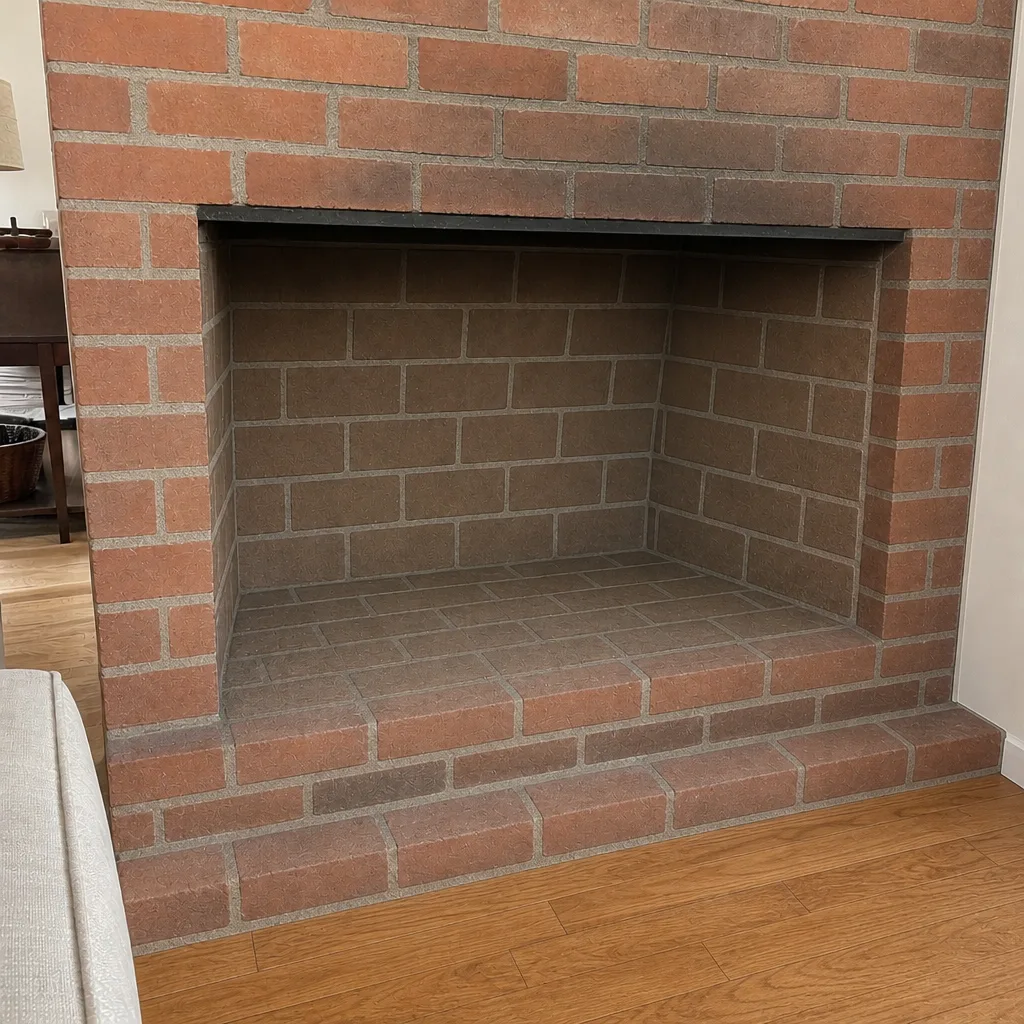
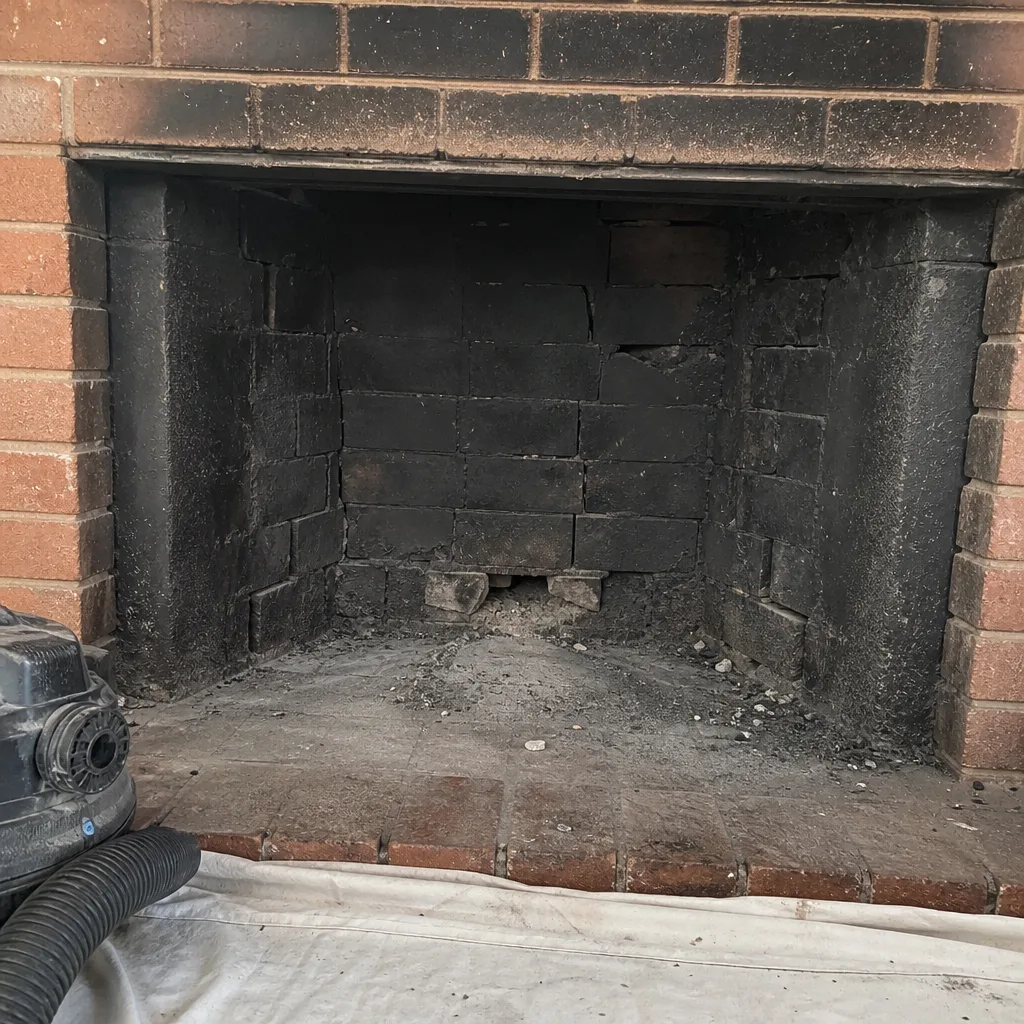
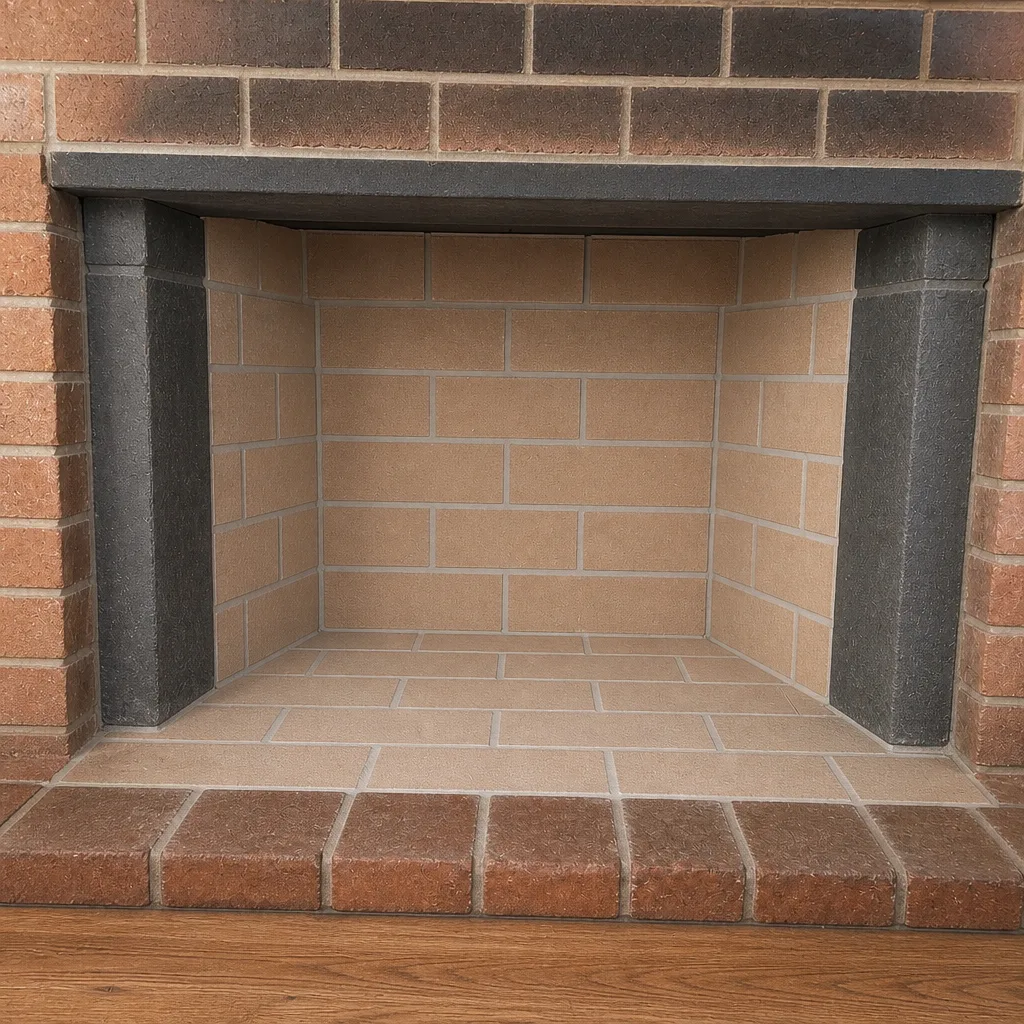
See the difference
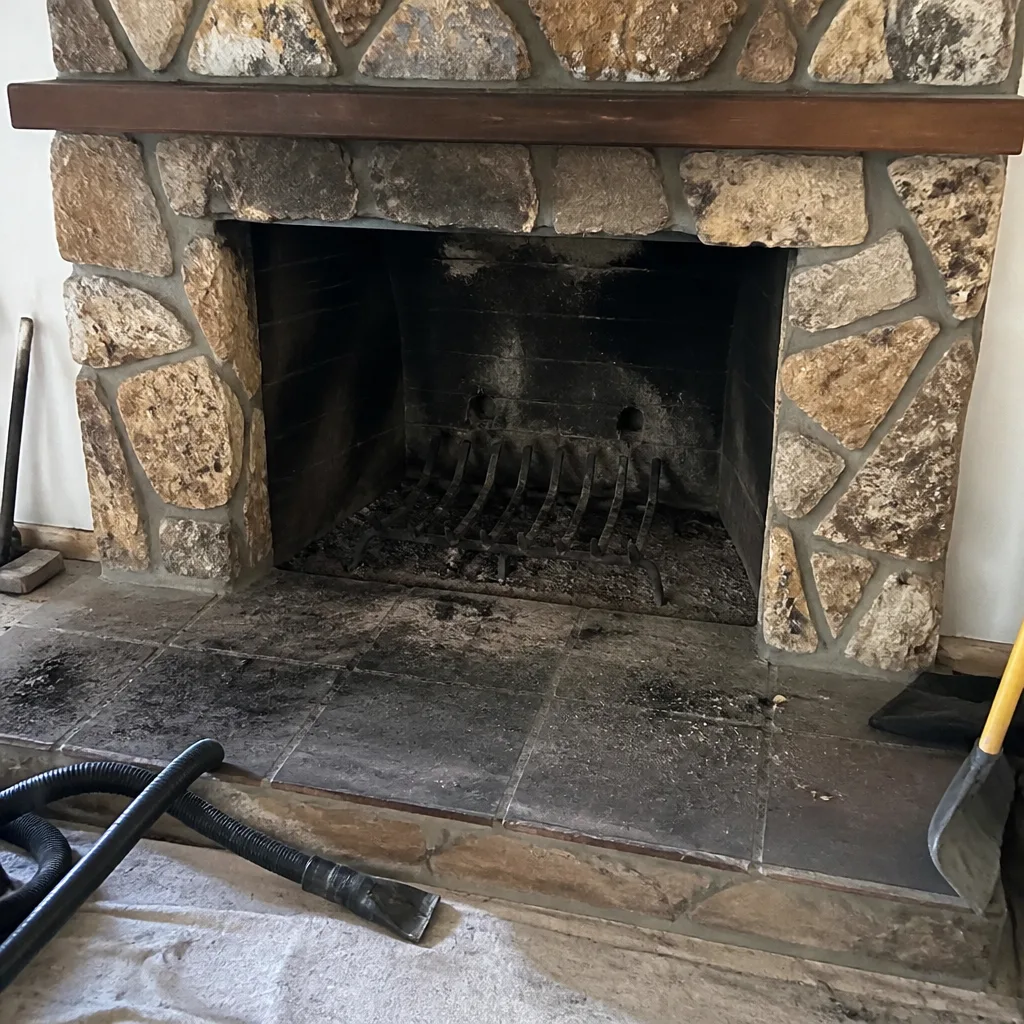 Before
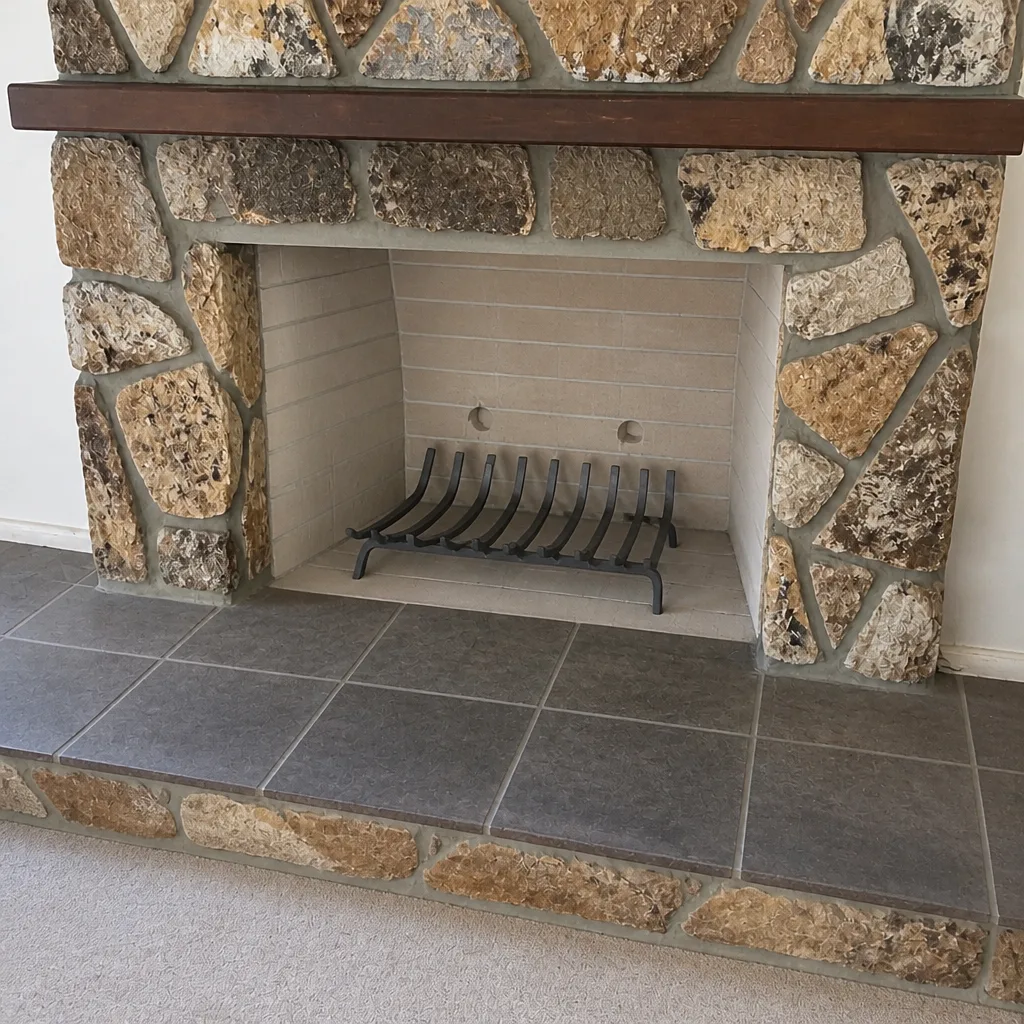 After
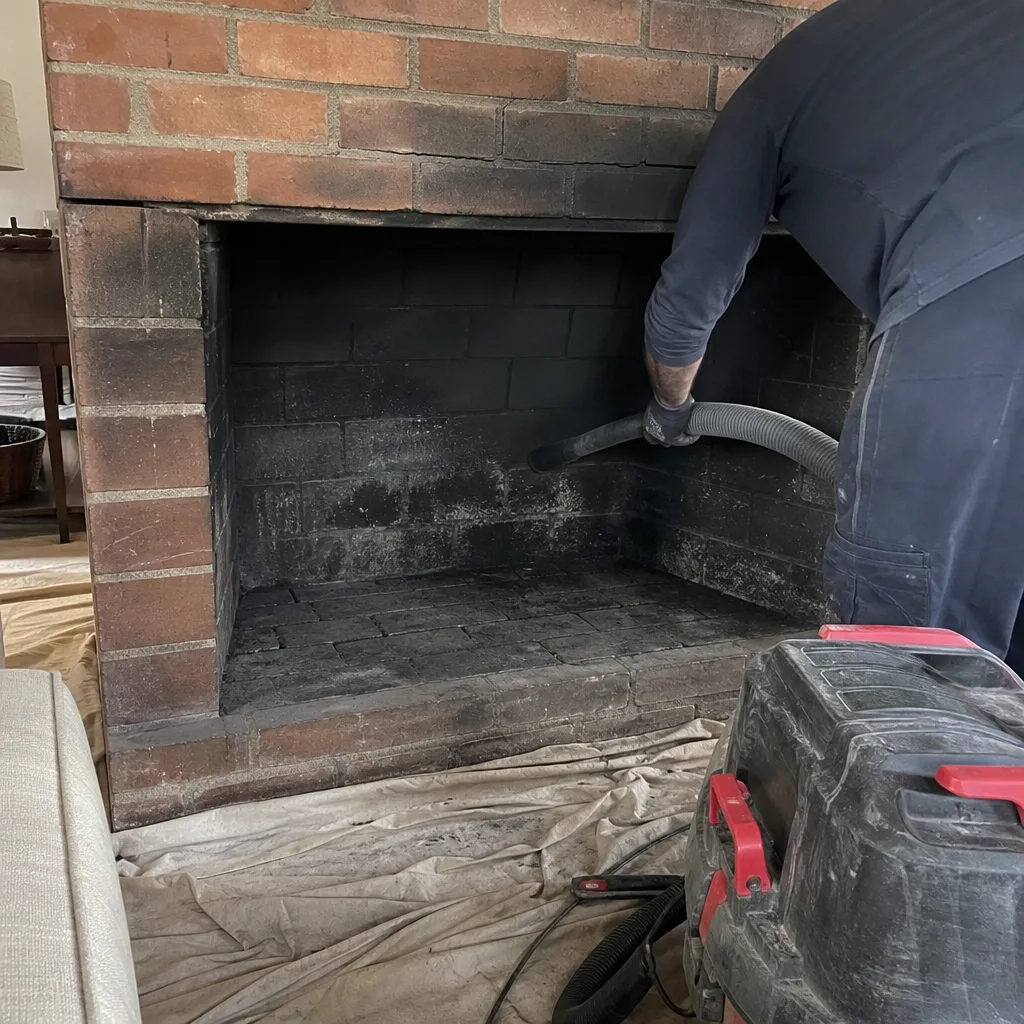 Before
 After
 Before
 After
When to Call a Professional
Call a professional if you have not had a camera inspection in two years or more, if you see hard or shiny creosote buildup, if you smell smoke when the fireplace is cold, if you hear animals in the chimney, or if you are buying or selling a home with a fireplace. These are the scenarios where a brush kit gives you a false sense of accomplishment without addressing the actual condition of the system. A professional sweep gives you a clean flue and a documented inspection. Chimney Sweep Ventura offers free estimates in Ventura. Call (877) 798-8581 and we will tell you what your chimney actually needs, with camera evidence to back it up.
Frequently Asked Questions
Chimney sweep pricing varies by the size of the flue, the level of creosote buildup, and whether the job includes a camera inspection. Most residential sweeps in the Ventura market fall into a typical range, but the written estimate is always the final word. Call (877) 798-8581 for an exact quote; estimates are free.
The National Fire Protection Association recommends an annual inspection, and that applies regardless of how often you use the fireplace. In Ventura, where low-use fireplaces can build glazed creosote more readily, an annual inspection with cleaning as needed is the safest schedule.
You can remove loose surface soot with a brush kit, and that is reasonable light maintenance between professional visits. A brush kit cannot inspect the liner, detect cracks or separation, or remove glazed creosote. Think of DIY brushing as housekeeping, not as a safety inspection.
A camera inspection is how a professional sees the middle third of the flue, where liner cracks and moisture damage hide. Without a camera, the technician is making an educated guess about the condition of the system. With a camera, you get a factual record of what the flue looks like and why any repair is needed.
Creosote accumulates in layers. Stage-one soot becomes stage-three glazed creosote, which is a fuel source. Moisture continues to work on the liner. Wildlife may move in. By the time you notice a problem, the repair is often more expensive than several years of cleanings would have been. Skipping maintenance does not save money; it defers it, and usually with interest.
Yes. Lint buildup in a dryer duct is a fire hazard, and it reduces dryer efficiency. A clogged duct forces the dryer to work harder, which shortens its life. We offer dryer vent cleaning alongside chimney service because the same homeowner who has never thought about their flue often has a duct that has not been cleaned since the dryer was installed.
Yes. Low-use fireplaces are not lower-risk; they are different-risk. Occasional fires burn cooler and smokier, which produces more creosote per fire than a hot, well-established burn. Plus, a rarely used chimney is more likely to become a wildlife shelter. Annual inspection is the right schedule regardless of usage frequency.
The Bottom Line
A DIY brush kit removes what you can see and reach. A professional chimney sweep in Ventura does that, plus what the brush cannot do: camera inspection, liner assessment, moisture evaluation, wildlife detection, and a documented record of the flue’s condition. Ventura’s climate, wildlife activity, and low-use fireplaces create failure patterns that a brush job will not reveal. The choice is not between cleaning and not cleaning. It is between cleaning and knowing. Schedule a professional sweep and inspection, use light DIY maintenance between visits, and you will have both a clean flue and an accurate picture of what is happening inside it.
Written by the team at Chimney Sweep Ventura, serving Ventura since 2011.