
Last updated November 4, 2026
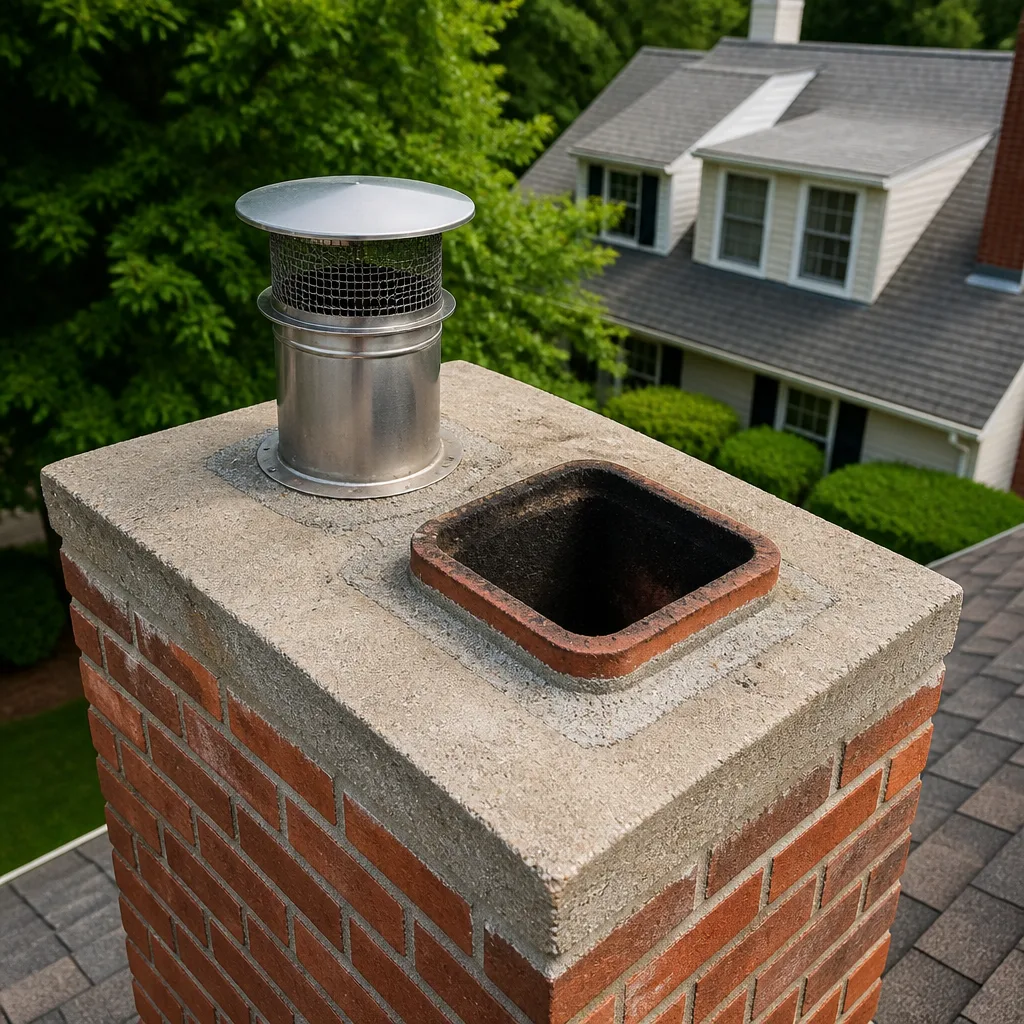 Sweep & inspection
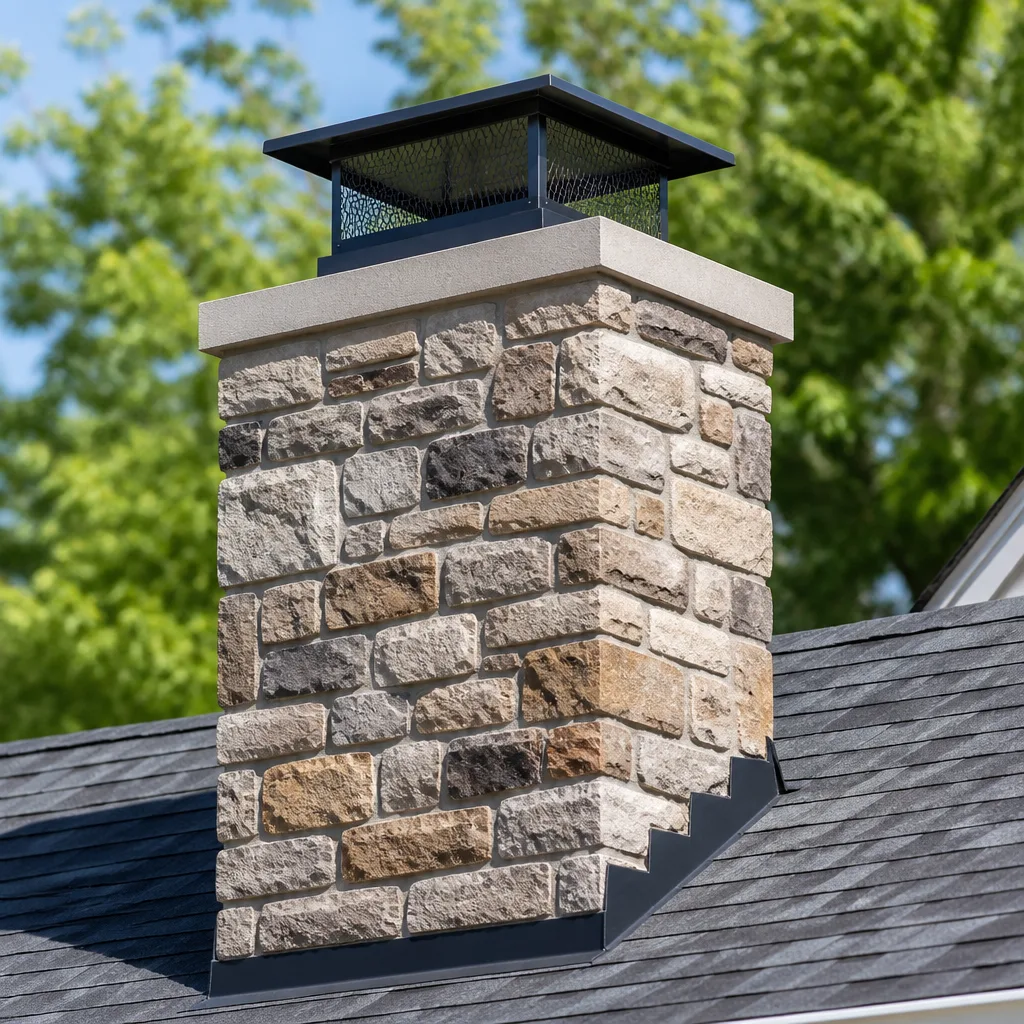 Caps & crowns
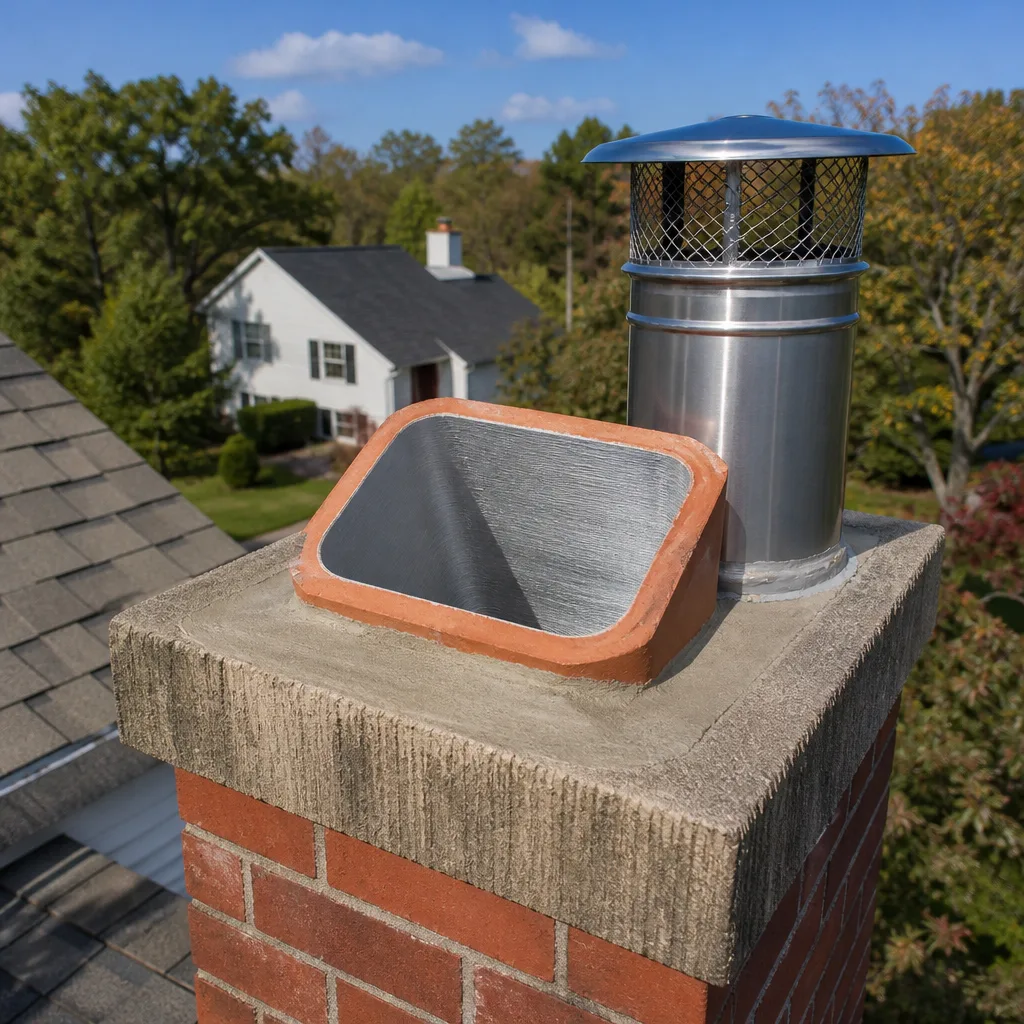 Flue relining
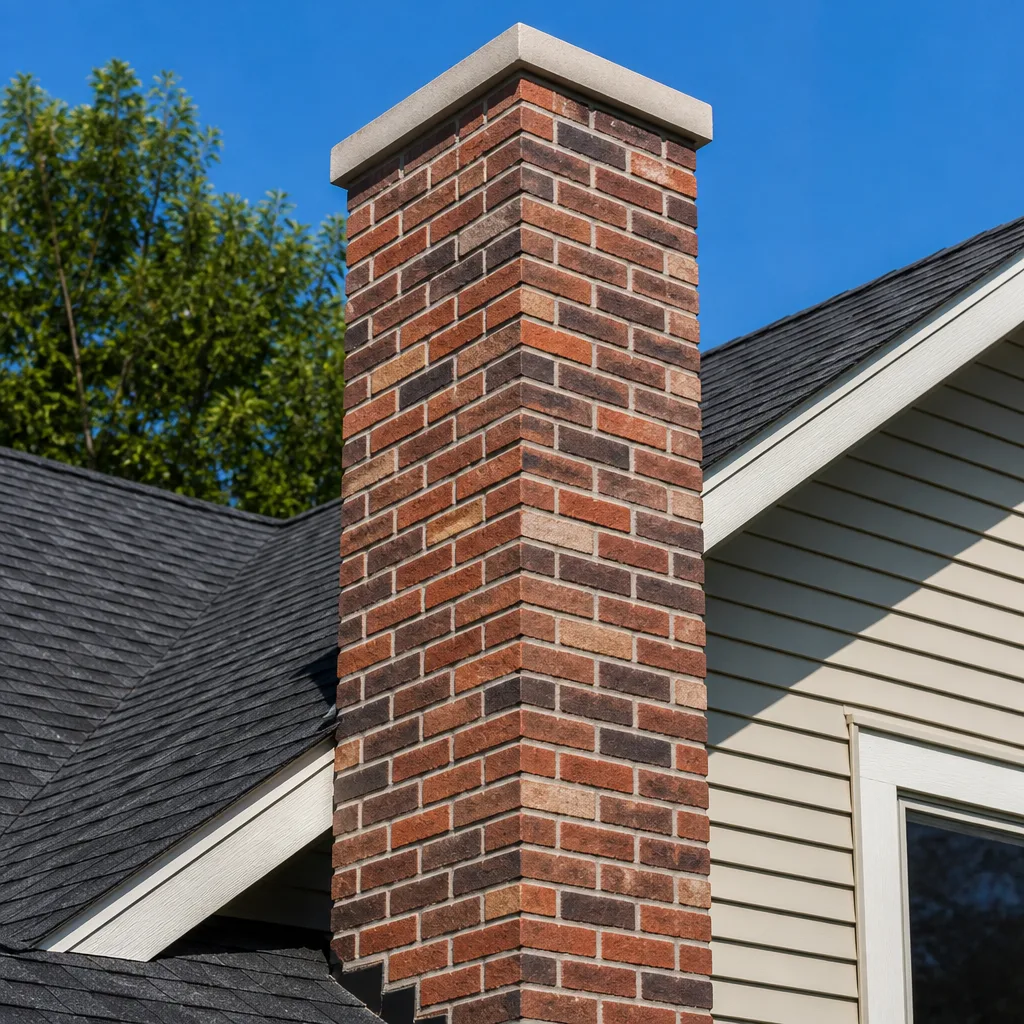 Masonry repair
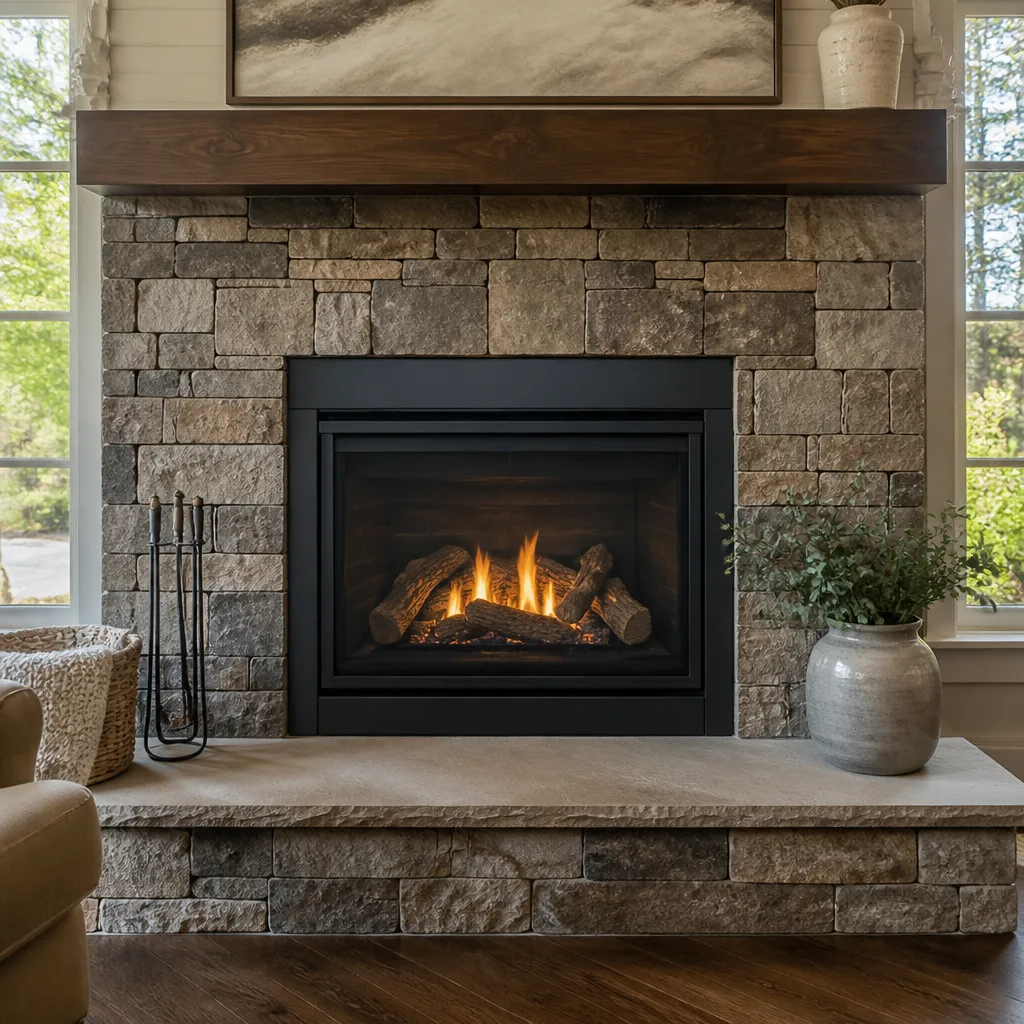 Gas fireplace service
Level 1 sweep and inspection to the NFPA 211 annual standard - flue, crown, cap, and flashing checked and photographed
Chimney sweep logs do not sweep chimneys. They loosen some creosote - which then falls where a brush and vacuum still have to collect it.
Chimney Sweep Maintenance Schedule: What to Do and When
Most homeowners in Ventura treat chimney maintenance like a smoke detector battery: ignore it until something beeps, then scramble. But here’s the part nobody tells you. NFPA 211 says inspect annually, and most people read that as “sometime this year.” The date you choose matters enormously. Inspect in January and you’re documenting damage that already happened during the months you were actually using the fireplace. Inspect in late summer and you’re preventing it. This guide builds a maintenance schedule around how Ventura homes actually burn wood, gas, and pellets, then maps each task to the season where it does the most good. You’ll learn what to do monthly, what belongs to fall, what you can handle yourself, and which jobs need a real sweep with professional equipment.
Quick Answer
For a wood-burning fireplace or stove in Ventura, schedule a professional inspection and sweep once per year in late summer or early fall, before the first fire. Gas inserts need an annual inspection too, though they typically need cleaning every two to three years depending on use. Pellet stoves need cleaning every one to two tons of pellets burned, which for most Ventura homes means once or twice a season. Monthly visual checks of the firebox, damper, and exterior cap catch small problems before they become liner or crown repairs.
Styles & brands we work with
- Sweep & inspection
- Caps & crowns
- Flue relining
- Masonry repair
- Gas fireplace service
Table of Contents
- Why Timing Matters More Than the Inspection Itself
- Fuel-Specific Maintenance Schedules
- What to Do Each Season in Ventura
- What You Can Do Yourself vs. What Needs a Certified Sweep
- What to Do in the Off-Season Months
- How to Build a Multi-Year Maintenance Log
- Common Mistakes to Avoid
- When to Call a Professional
Why Timing Matters More Than the Inspection Itself
An annual inspection that happens in January is a post-mortem. The creosote you accumulated during December fires has already sat against your flue walls for weeks. Any moisture that worked into the masonry during winter rains has already expanded and contracted through the brick. The damage is done. The point of a maintenance schedule is to get ahead of the damage cycle, not document it.
In Ventura, the right window for a pre-season sweep is August through late September. Here’s why. The marine layer keeps mornings cool through June, which means some homeowners are still burning occasional evening fires into early summer. By August, the firebox has been idle long enough for creosote to cool and harden, which actually makes it easier to remove cleanly. The weather is dry, so the flue interior isn’t holding moisture. And you’re still a month or two away from the first serious fire of the season, which gives you time to address anything the sweep finds.
Waiting until November means competing for appointment slots with every other homeowner who just felt the first cold evening. It also means discovering in the middle of fire season that your liner has a crack, your cap is missing, or a bird built a nest over the summer. Pre-season timing turns your inspection from a diagnosis into a preventive measure.
We’ve inspected chimneys in Ventura that hadn’t been opened since the previous spring, and the difference between an August sweep and a February sweep shows in the condition of the flue. Hardened creosote from the previous season clings differently than fresh deposits. Summer’s dry heat helps loosen the bond. A sweep in late summer removes what’s there and gives the flue a clean surface before you start adding new deposits.
Fuel-Specific Maintenance Schedules
Not every chimney needs the same schedule. The fuel you burn dictates how quickly the system accumulates deposits, what kind of deposits they are, and which parts wear first. Treating a gas fireplace like a wood-burning one wastes money. Treating a pellet stove like a gas unit creates a fire hazard.
Wood-Burning Fireplaces and Stoves
Wood smoke carries unburned particles that condense on the flue walls as creosote. The amount depends on wood moisture, burn temperature, and how often you use the fireplace. In a typical Ventura home that burns two to three fires a week from November through March, creosote builds steadily through the season.
Schedule for wood burners:
- Professional sweep: Once per year, ideally August or September before the burn season starts.
- Mid-season check: If you burn more than three cords a season, schedule a second sweep in January. This is especially important if you notice any change in how the fire draws or how smoke behaves in the room.
- Monthly visual check: Look into the firebox with a flashlight. If creosote appears shiny, tar-like, or more than 1/8 inch thick, stop burning and call a sweep. Shiny, tar-like creosote is stage three and burns hot if it ignites.
- Ash management: Remove ashes when they reach the bottom of the grate. Don’t let them pile up against the firebox walls, which traps moisture and accelerates masonry deterioration.
Gas Fireplaces and Inserts
Gas burns cleaner than wood, so creosote isn’t the issue. The problem is that gas fireplaces often look fine while developing airflow problems you can’t see. A partially blocked vent sends carbon monoxide into the house instead of up the flue. The burner can accumulate dust, pet hair, and insect debris that affects combustion. Gas logs can crack and shift over time.
Schedule for gas appliances:
- Professional inspection: Every year, even if you rarely use the unit. The inspection checks the vent, the burner, the gas connection, and the log position.
- Professional cleaning: Every two to three years for most households. If you run the fireplace daily during winter, clean annually.
- Monthly visual check: Look at the flame through the glass. A healthy gas fire burns blue at the base with yellow tips. If the flame is mostly yellow or flickers unevenly, the burner may need cleaning.
- Carbon monoxide detector: If your home has any gas appliance, a working CO detector on every floor is non-negotiable. Test it twice a year.
Pellet Stoves
Pellet stoves burn compressed wood or biomass pellets, and they burn more efficiently than cordwood. But they still produce ash, and the ash collects in the burn pot, the heat exchanger tubes, and the vent pipe. The exhaust path on a pellet stove is narrower than a traditional chimney, so smaller deposits cause bigger airflow problems.
Schedule for pellet stoves:
- Burn pot cleaning: Every week during active use. This is a homeowner task if you follow the manufacturer’s instructions.
- Ash removal: Once per ton of pellets burned, or when ash reaches the top of the burn pot.
- Professional inspection and cleaning: Once per year, before the heating season. The technician cleans the internal flue passages, the combustion blower, and the vent pipe, and checks the auger and auger motor for wear.
- Glass cleaning: As needed during the season. Use the cleaner recommended by the stove manufacturer, never glass cleaner made for house windows.
What to Do Each Season in Ventura
Ventura doesn’t have a hard freeze season, which changes how you think about chimney maintenance. There’s no winter rush to winterize, no spring thaw that reveals hidden damage. Instead, the schedule follows two real cycles: the burn season and the dry summer months. Here’s what belongs where.
Spring: Post-Season Assessment
- Schedule a post-season sweep if you skipped fall. If life got in the way and you burned all winter without an inspection, now is the time. Don’t wait another six months with creosote sitting in the flue.
- Look for animal activity. Spring is nesting season. Birds, squirrels, and raccoons investigate chimneys when they’re quiet. Check the cap for gaps and listen for scratching sounds during the day.
- Inspect the exterior masonry. Walk around the house and look at the chimney from the ground. New cracks in the brick or mortar, a leaning cap, or missing flashing should be addressed before summer.
- Clean the dryer vent. Most homeowners don’t think of it as a chimney-related task, but a clogged dryer vent is a fire hazard on a similar scale. Spring is a good time to schedule dryer vent cleaning since winter lint has had a chance to accumulate.
Summer: Off-Season Inspection and Repair
- Book the pre-season sweep for August or September. This is the single most important appointment on the chimney maintenance calendar. Do it before the phone lines get busy in October and November.
- Address structural repairs now. Masonry work cures better in warm, dry weather. If the January inspection found cracks or spalling, summer is the time to have them fixed. Repairs done in summer are fully settled before the first fire.
- Check the cap and crown. The chimney cap is the first line of defense against rain, animals, and debris. If it’s bent, rusted, or missing sections, replace it. The crown, which is the concrete or metal top around the flue, should shed water completely. Hairline cracks let water into the brick and mortar.
Fall: Pre-Season Final Check
- Complete the professional sweep. If you booked in August, this is done. If not, do it now. A clean flue before the first fire means the season starts safely.
- Test the damper. Open and close it fully. It should move freely and seal tightly when closed. A damper that doesn’t seal lets warm air escape up the chimney all winter, and lets cold air drop into the room.
- Check smoke and CO detectors. Replace batteries, test the alarm, and make sure you have detectors on every floor, including near bedrooms.
- Stock dry, seasoned firewood. Wood that registers under 20 percent moisture burns hotter and produces less creosote. Buy in spring and store it covered and raised off the ground, or buy kiln-dried wood in fall if you forgot.
Winter: In-Season Monitoring
- Watch how the fire burns. A healthy fire burns with bright, active flames and minimal smoke. Smoke that lingers in the firebox, drifts into the room, or puffbacks when you open the door signals a draft problem.
- Check the firebox weekly. Look for creosote buildup, cracked firebrick, or debris. If creosote becomes shiny or tar-like, stop burning until a sweep can address it.
- Listen for unusual sounds. A whistling sound may mean the damper is partially closed. A rattling sound could be a loose component. A rumbling sound from a gas appliance means something is wrong with the burner.
- Monitor the cap after storms. High winds can shift a loose cap. Heavy rain should drain away from the chimney, not pool around the base.
What You Can Do Yourself vs. What Needs a Certified Sweep
The line between homeowner maintenance and professional work is not about skill or effort. It’s about access, equipment, and what happens if you miss something. You can see the firebox from your living room. You can’t see the upper third of the flue, the cap, or the exterior masonry from inside the house.
Homeowner Maintenance Tasks
- Monthly firebox inspection: With a flashlight and a cold firebox, look at the firebrick, the grate, and the visible portion of the flue. Check for creosote, debris, and cracks.
- Ash removal: Remove ashes when they reach the bottom of the grate. Use a metal container with a lid, never a plastic bucket or a paper bag. Store the container outside, away from the house, for at least three days before disposal.
- Damper operation check: Open and close the damper every fall to verify it moves freely and seals.
- Exterior ground-level inspection: From the ground or a ladder you’re comfortable with, look for visible cracks, missing mortar, rust on the cap, and gaps in the flashing.
- CO and smoke detector testing: Test monthly, replace batteries in fall, replace the entire unit every seven to ten years depending on manufacturer guidance.
- Glass cleaning on inserts and stoves: Use the cleaner the manufacturer specifies. House glass cleaner can damage the ceramic glass on fireplace doors.
Professional Tasks
- Flue sweeping: This requires brushes sized to your flue, a vacuum designed for fine soot, and access to the full length of the flue. A sweep removes creosote from the entire system, not just what you can reach from the firebox.
- Liner inspection and repair: A cracked or deteriorated liner is invisible from the firebox and potentially dangerous, since the liner is what protects the masonry from heat and contains exhaust gases. Repair work on a liner involves materials and methods that go beyond DIY scope. This is where a company like Chimney Sweep Ventura differs from a basic sweep: we can assess liner condition and, in many cases, restore it rather than replace it entirely.
- Cap and crown replacement: Working on the chimney crown means being on the roof safely, which most homeowners shouldn’t attempt. A professional also knows which cap design works with your flue configuration and how to seal the crown correctly.
- Masonry repair: Cracked bricks, deteriorating mortar joints, and spalling brick all get worse in moisture. The right repair uses materials matched to the existing masonry and applied with the right equipment.
- Gas appliance venting inspection: Gas fireplace venting is a safety system. A professional confirms the vent is clear, the connections are intact, and combustion gases are actually leaving the house.
- Dryer vent cleaning: The dryer vent runs behind walls and through floors. A professional has the tools to clean the full run and remove lint from areas you can’t reach. This is a residential venting fire hazard most people overlook entirely.
We use the same materials specified by certified chimney professionals for liner work and repairs. That matters when you’re deciding who touches your chimney. A sweep-only company can tell you the liner is cracked. We can tell you what that means for your specific flue configuration and whether a restoration material is a code-compliant option or if a full replacement is the honest answer.
What to Do in the Off-Season Months
The months from April to July are when chimneys get forgotten. The firebox is cold, the thought of fires is distant, and the chimney quietly accumulates problems that will surface in November. This is exactly when a small amount of attention prevents the most expensive repairs.
Moisture is the biggest off-season threat in Ventura. Even occasional winter rain can soak into brick and mortar, and repeated wetting and drying cycles slowly degrade the masonry. A chimney that has a crack in the crown or missing mortar joints is a sponge. The water works deeper into the brick, the salts in the masonry dissolve and migrate to the surface, and the brick face starts to spall, which means it flakes off in layers.
Off-season tasks that matter:
- April: Check the exterior masonry for new cracks after winter rain. Look for efflorescence, which is a white, chalky residue on the brick. It’s a sign water is moving through the masonry, not just sitting on it.
- May: Check for animal intrusion. Spring nesting season is in full swing. Listen for sounds from the flue, look for nesting material near the cap, and check for droppings in the firebox.
- June: Schedule the pre-season sweep. It’s a low-demand month, so you’ll likely have your choice of appointment times. Confirming the appointment in June also gives you buffer if the sweep finds something that needs repair before fall.
- July: Inspect the damper and firebox. Summer is dry, so any moisture you find now came from rain or condensation, not recent fires. That’s a diagnostic clue worth noting in your maintenance log.
- Anytime: If you have a dryer, the vent is accumulating lint even when the chimney is idle. The dryer vent cleaning schedule should run independently of the chimney schedule, typically once a year for an average household.
One thing we look for during summer inspections is the condition of the creosote left over from the previous burn season. If the spring was unusually humid, creosote can absorb moisture and become more corrosive to the liner. A summer inspection catches this before the chimney is put back into service.
How to Build a Multi-Year Maintenance Log
Most chimney problems develop over years, not months. A liner crack might start as a hairline fissure that expands over three burn seasons. A cap that’s slightly loose in year one is completely detached in year three. The way to catch these patterns early is to keep a log. Not a spreadsheet that requires discipline you don’t have, but a simple record you actually fill out.
What to record after every inspection or repair:
- Date and type of service: Sweep, inspection, repair, or installation.
- What was found: The specific conditions, not just “looked fine.” Write down creosote thickness, noted cracks, moisture stains, or animal evidence.
- What was done: Sweep, replacement parts, materials used, or a recommendation to monitor something.
- What to watch next: The follow-up item. Did the technician note a hairline crack in the crown? Write it down so you can check it in six months and see if it changed.
- Photos: Take a picture of the firebox, the exterior masonry, and the cap from the ground. Comparing photos year over year shows changes you’d never notice from memory.
The log does two things. First, it makes each inspection faster because the technician isn’t starting from zero; you can point to the last note that said “hairline crack in crown” and ask if it moved. Second, it surfaces patterns. If you see “creosote heavy” on three consecutive sweeps, the problem isn’t the sweeping frequency, it’s the wood you’re burning or how you’re burning it. If you see “moisture stain near flashing” twice in a row, the flashing is failing and needs attention before the surrounding roof sheathing rots.
In our experience, the homeowners who keep even a simple log catch problems two to three years earlier than those who don’t, because the log turns a gradual change into something visible. A crack that’s the same size as last year is a maintenance item. A crack that doubled is a repair. You can’t know the difference without the previous year’s note.
Keep the log wherever you’ll actually use it. A note on your phone works. A paper folder in the garage works. What doesn’t work is a system that requires you to remember to update it. After every service, take two minutes to write the entry before the technician leaves the driveway.
Common Mistakes to Avoid
- Burning unseasoned wood. Wood with moisture content above 20 percent burns cooler and produces more creosote. The creosote coats the flue faster, and because it’s wet creosote, it’s harder to remove and more corrosive to the liner. Seasoned wood makes a sharper, brighter sound when two pieces knock together.
- Skipping the off-season check because “we didn’t use the fireplace this year.” An unused chimney still gets moisture, still gets animals, and still deteriorates. In some ways an unused chimney is more vulnerable because no one notices the problem until it’s severe.
- Assuming a gas fireplace needs no maintenance. Gas units need annual inspection for venting and burner condition. The stakes are carbon monoxide, not creosote, which makes the neglect more dangerous because you can’t see the problem building.
- Cleaning the dryer vent only when it takes longer to dry clothes. By the time drying times increase, the vent is already restricted enough to be a fire hazard. The lint is combustible, the airflow is reduced, and the dryer’s heating element is running harder. Schedule it annually regardless of symptoms.
- Using the wrong products on fireplace glass. Standard glass cleaner can etch or damage ceramic glass on inserts and stoves. Use the cleaner specified by the manufacturer or a product specifically made for fireplace glass.
- Waiting until October to book a sweep. The fall rush means longer waits, and a chimney that needs repair might not get it before you want to start burning. Booking in August means the inspection happens when the weather is easiest for roof work and the results come back before the season starts.
- Treating a chimney sweep as the only maintenance a chimney ever needs. Sweeping removes creosote. It doesn’t repair a cracked crown, replace a damaged cap, or fix a liner. Those are separate services, and they’re the ones that determine whether the chimney is safe to use, not just clean.
When to Call a Professional
Call a professional any time you see something you can’t explain, smell something that wasn’t there before, or hear an unfamiliar sound from the chimney. Specifically: smoke entering the room during normal use, a strong odor even when the fireplace is cold, visible cracks in the firebrick or exterior masonry, water stains on the ceiling or walls near the chimney, animal sounds from the flue, or a damper that won’t move. If you’re in Ventura and you’re not sure whether what you’re seeing is normal, the answer is usually to have someone look at it. Chimney Sweep Ventura offers free estimates in Ventura, and the visit tells you what you’re dealing with, whether that’s a simple sweep, a liner concern, or something you can safely monitor.
See the difference
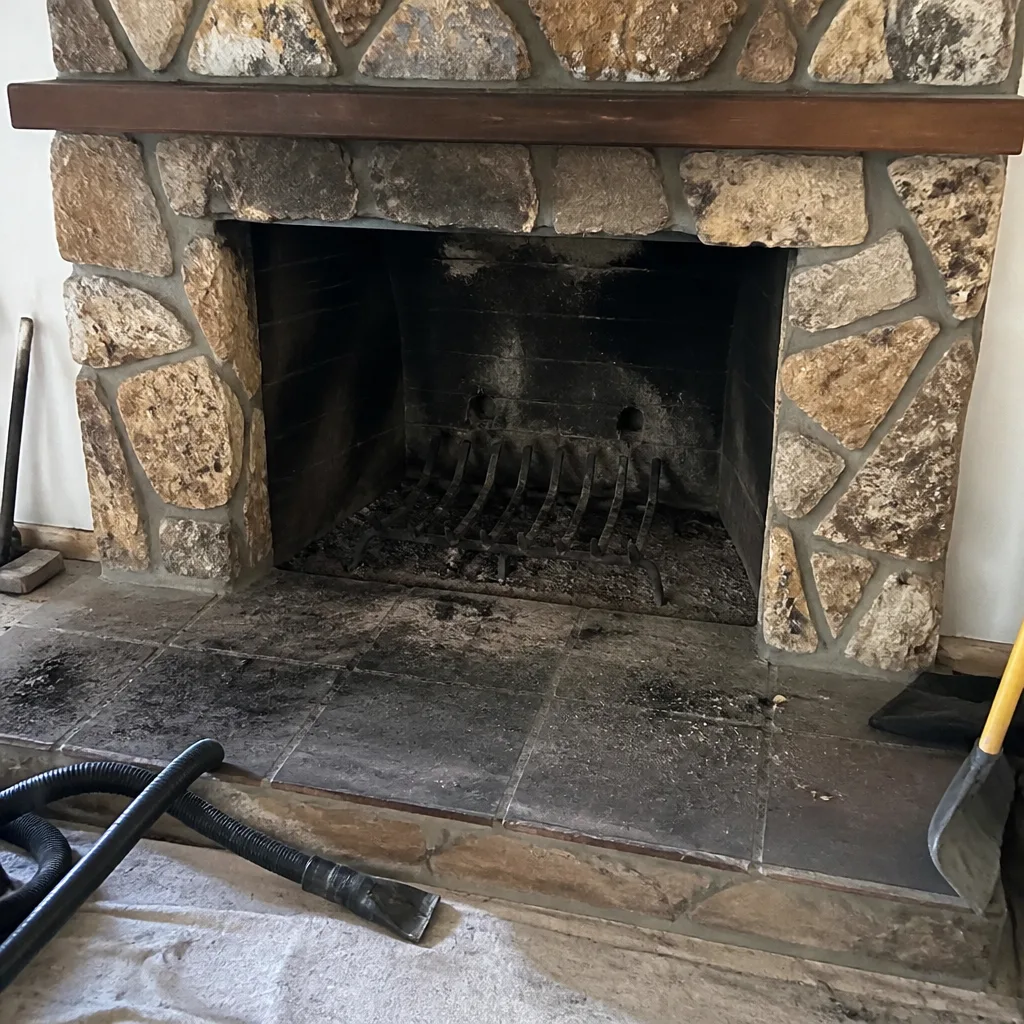 Before
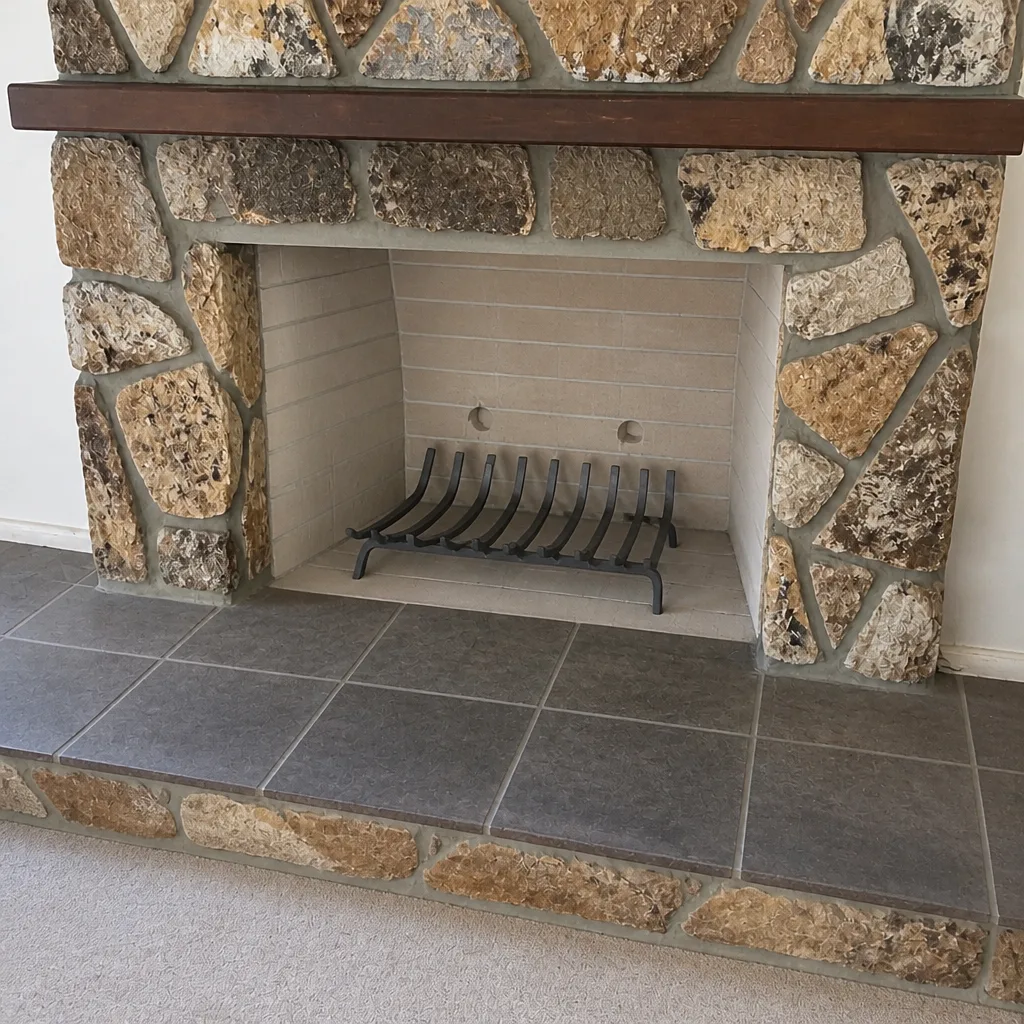 After
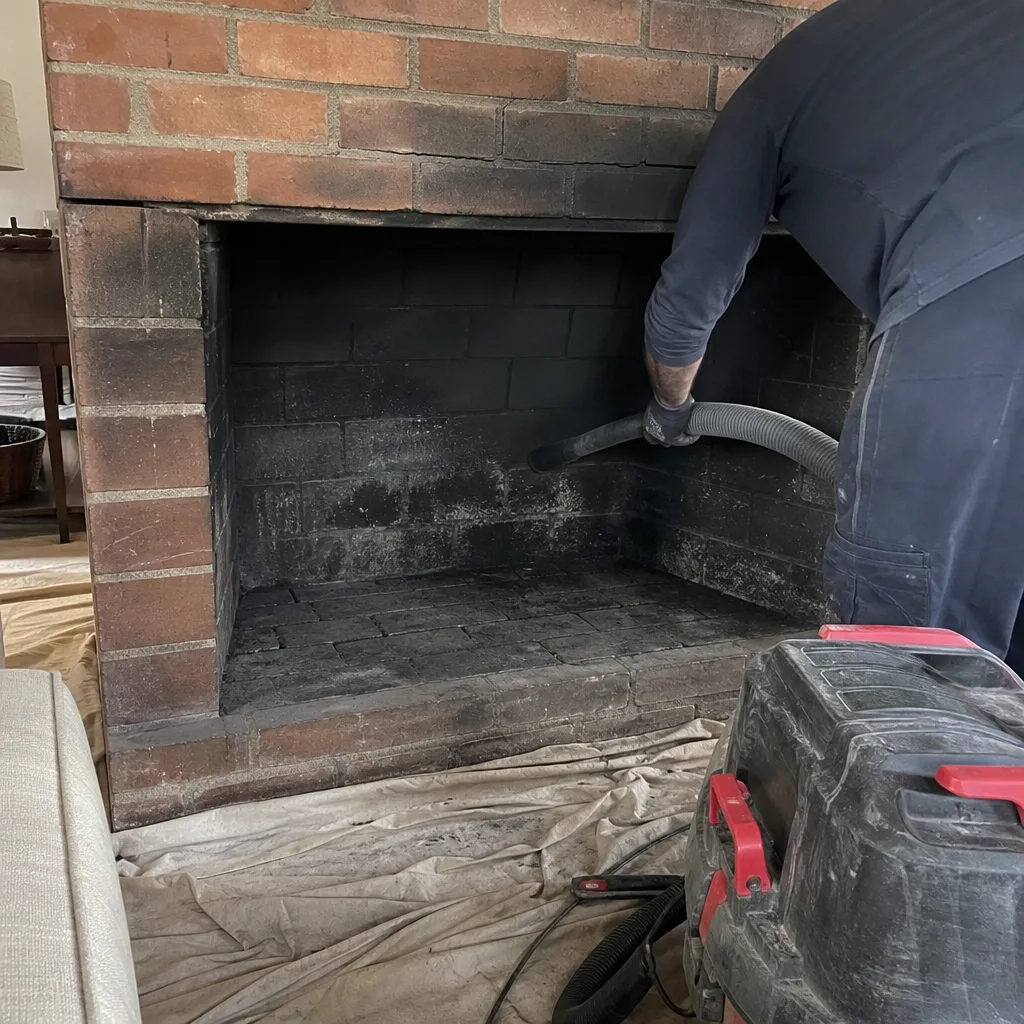 Before
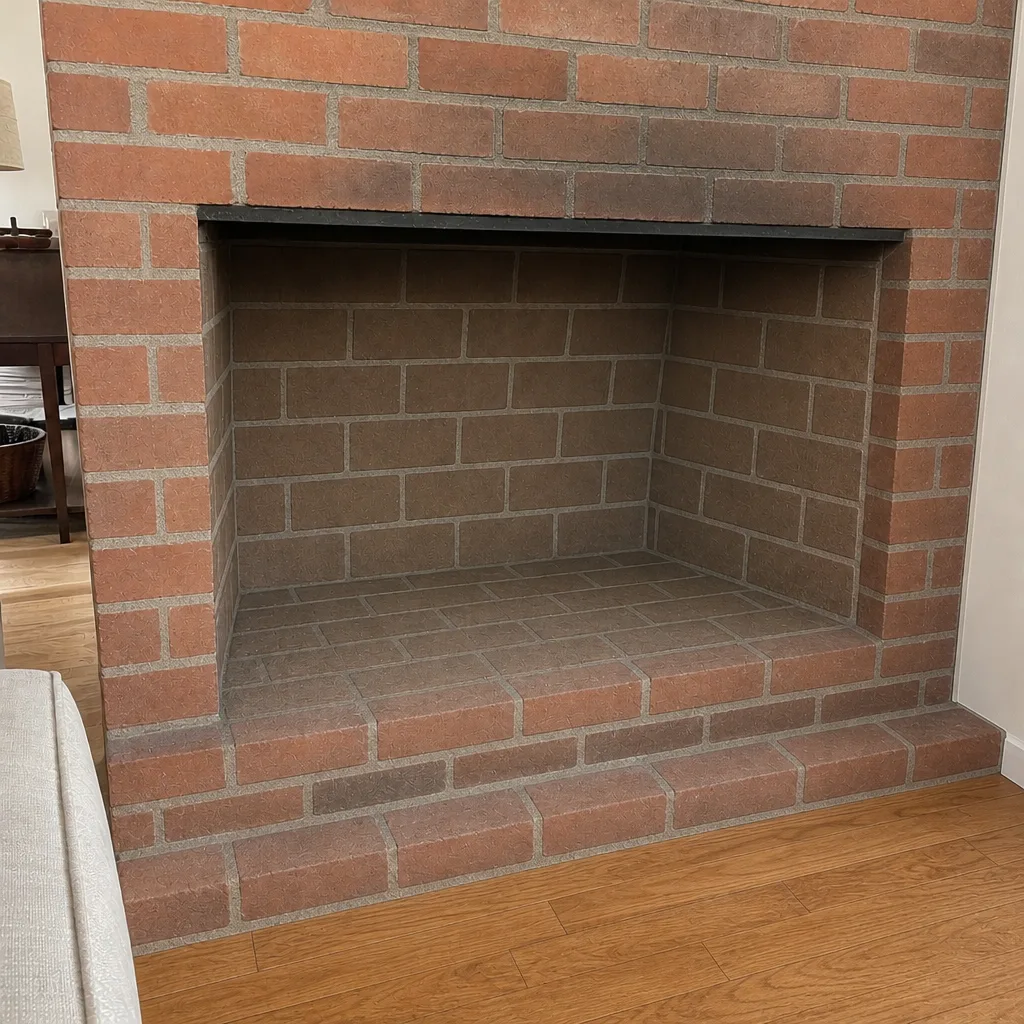 After
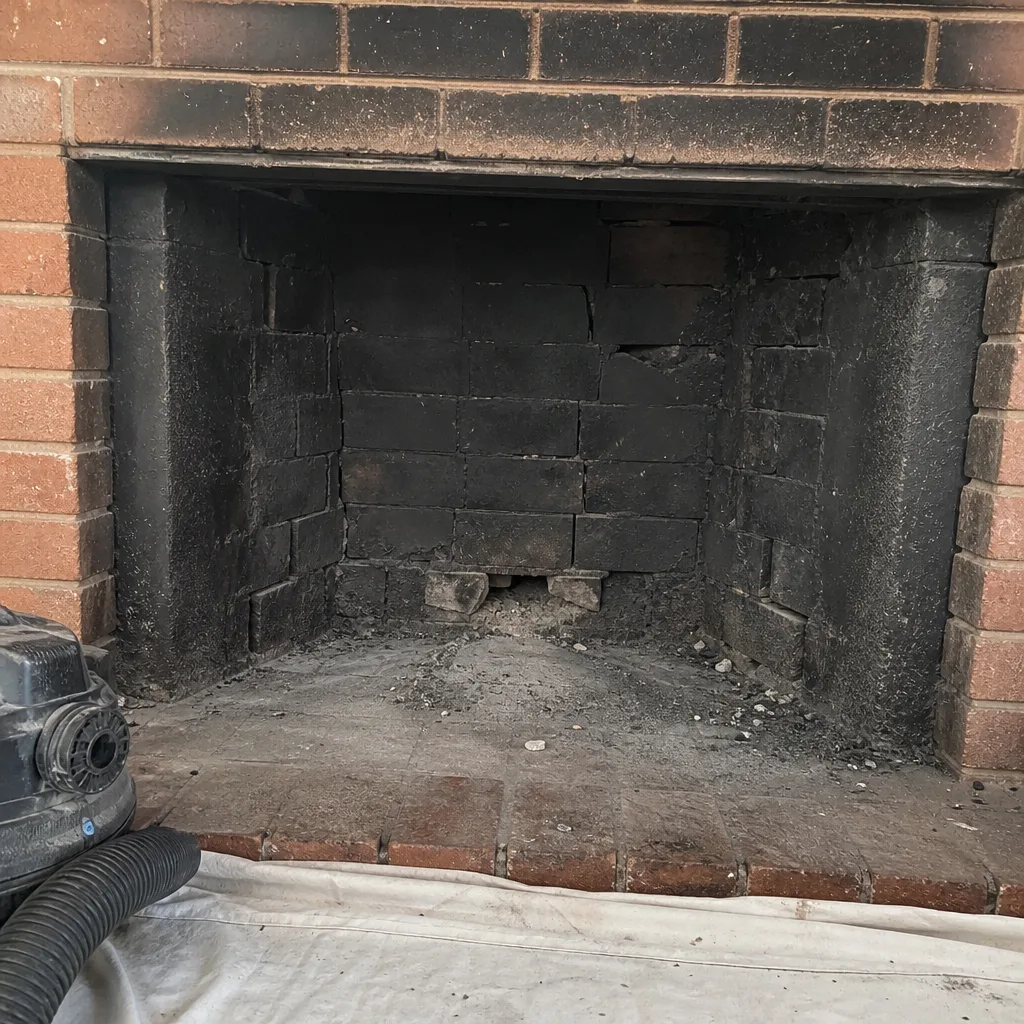 Before
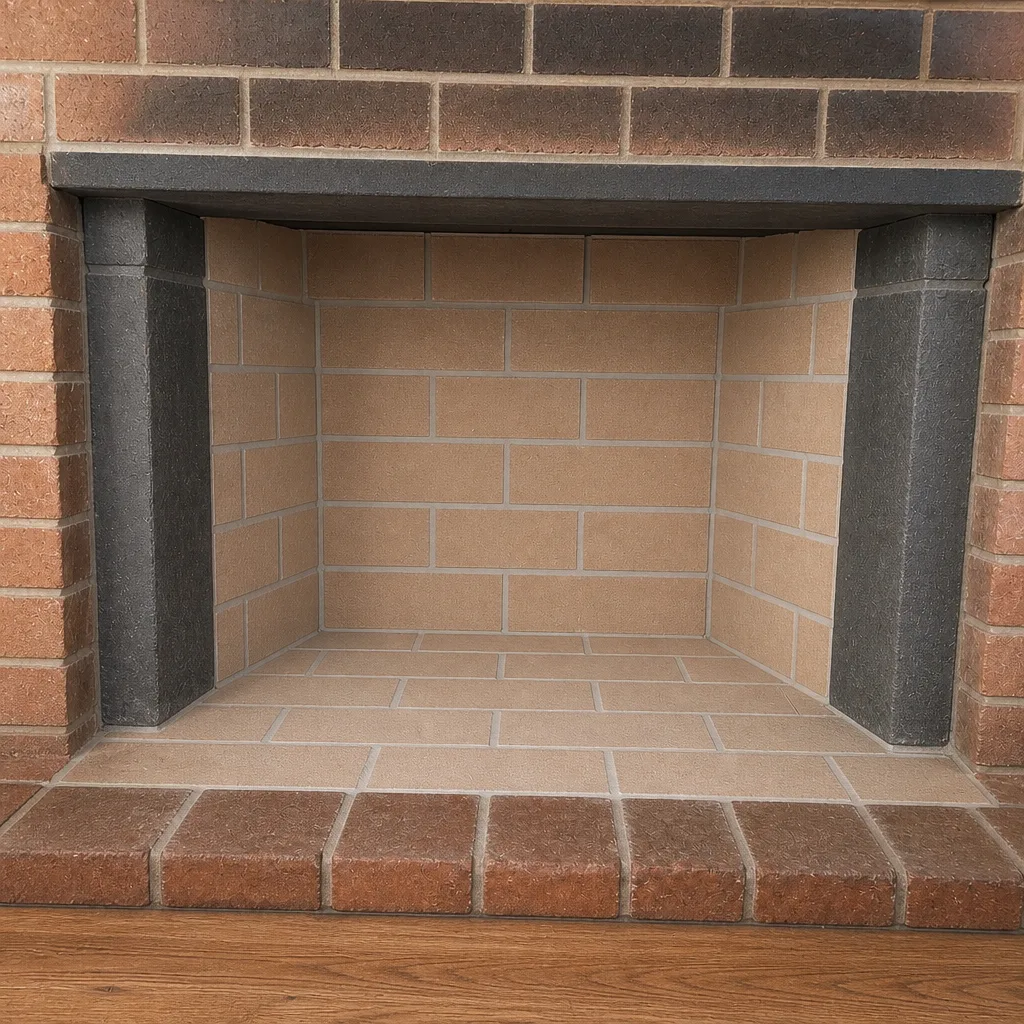 After
Frequently Asked Questions
A wood-burning chimney in Ventura should be swept once per year, ideally in August or September before the burn season starts. Gas fireplaces and inserts should be inspected annually and cleaned every two to three years depending on how often they run. Pellet stoves need cleaning after every one to two tons of pellets burned. If you burn more than three cords of wood in a season, a mid-season sweep in January is worth scheduling.
Yes, gas fireplaces need annual inspection even though they don’t produce creosote. The vent can become blocked by debris or animal nests, the burner can accumulate dust that affects combustion, and the connections that carry exhaust gases out of the house can degrade. An annual inspection confirms the vent is clear and the unit is operating safely. Call (877) 798-8581 to book a gas appliance inspection. We answer 24/7. Fast dispatch from 7am to 7pm, Sunday through Friday.
August is the best month to schedule a sweep in Ventura. The chimney has been idle long enough for creosote to harden, the weather is dry, and you’re still ahead of the October rush. A sweep in August gives you time to complete any repairs before the first fire of the season. September works well too. The key is to finish before you actually need the fireplace.
Skipping a year is a judgment call, not a rule. If you burned fewer than ten fires, the creosote buildup may be light enough that a full sweep isn’t urgent. But you should still have the chimney inspected. The inspection catches problems that develop whether you use the fireplace or not: water intrusion, animal nests, cap damage, and masonry deterioration. An inspection is cheaper than a repair, and a year of unnoticed water intrusion can mean thousands of dollars in masonry work.
The clearest signs are clothes taking longer to dry, the dryer running hot to the touch, a burning smell during operation, or visible lint around the vent opening outside. But by the time symptoms appear, the vent is already restricted. For most households, annual cleaning is the right schedule regardless of symptoms. The lint that collects in the vent is highly combustible, and restricted airflow makes the dryer work harder, which shortens its life and increases fire risk.
You can remove ashes, inspect the firebox with a flashlight, test the damper, check visible exterior masonry from the ground, and test smoke and CO detectors. What you shouldn’t do is attempt to sweep the flue, repair the liner, replace the cap, or repoint mortar. Those jobs require equipment, roof access, and in the case of liner work, materials and methods that a certified professional should handle. The flue liner is a safety system, and a repair that looks right from the firebox may not be correct inside the flue.
The Bottom Line
A chimney maintenance schedule for a Ventura home is built around the burn season, not a calendar convention. Wood burners need a pre-season sweep in August or September, with a mid-season check if you burn heavily. Gas appliances need annual inspection even if they look fine. Pellet stoves need frequent cleaning during the active season and a professional service before it starts. The off-season months are for repairs, masonry checks, and animal intrusion. And the maintenance log is what ties it all together: a record that makes each year’s inspection faster and catches patterns before they become structural problems. If you’re not sure what condition your chimney is in right now, the quickest way to find out is to have someone look at it. Call (877) 798-8581 for a free estimate. We answer 24/7. Fast dispatch from 7am to 7pm, Sunday through Friday.
Written by the team at Chimney Sweep Ventura, serving Ventura since 2011.