
Last updated November 4, 2026
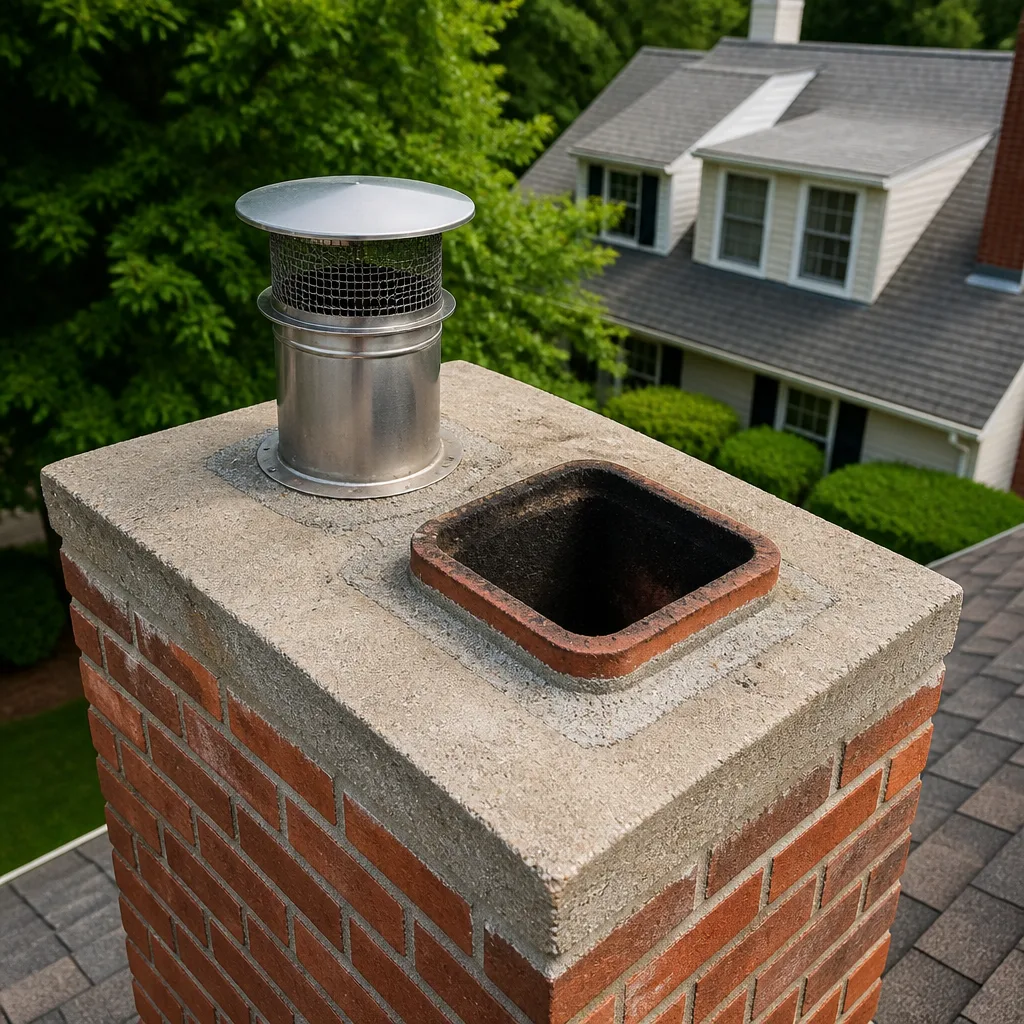 Sweep & inspection
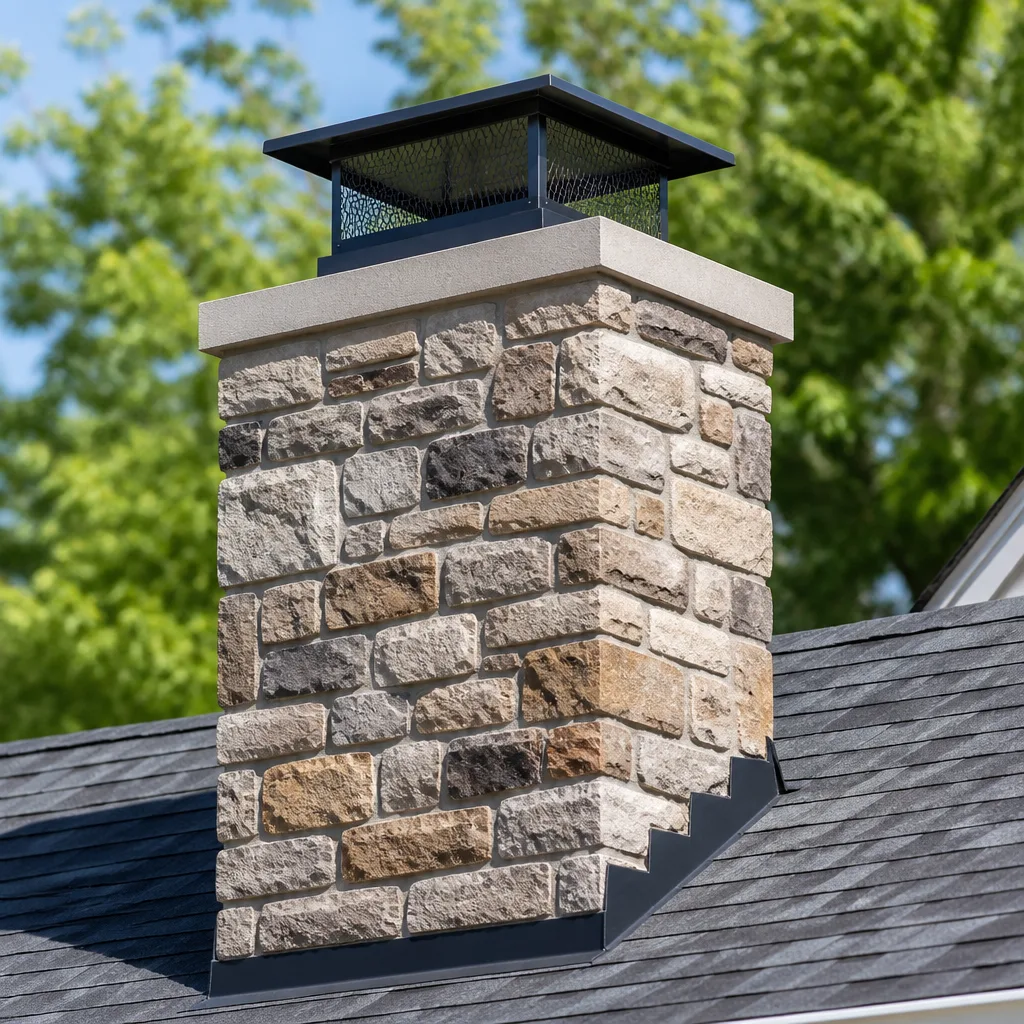 Caps & crowns
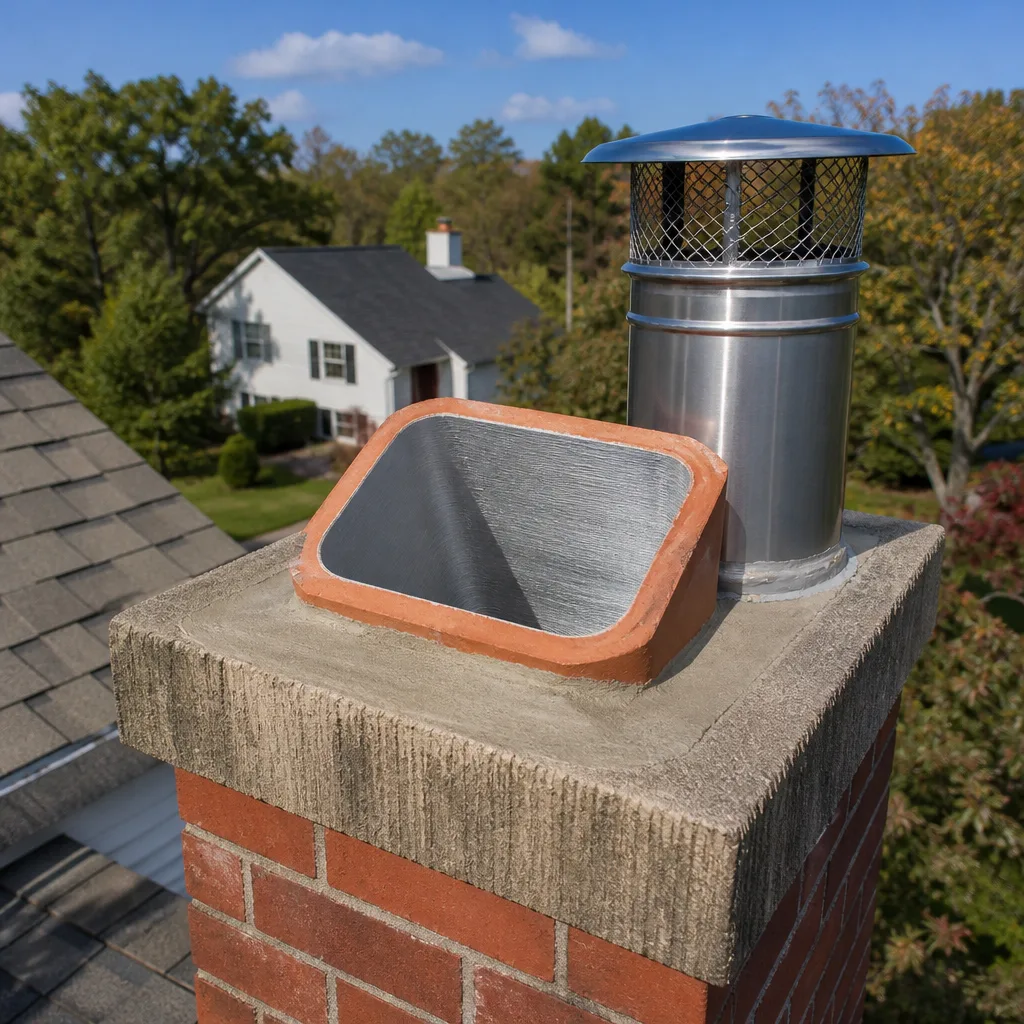 Flue relining
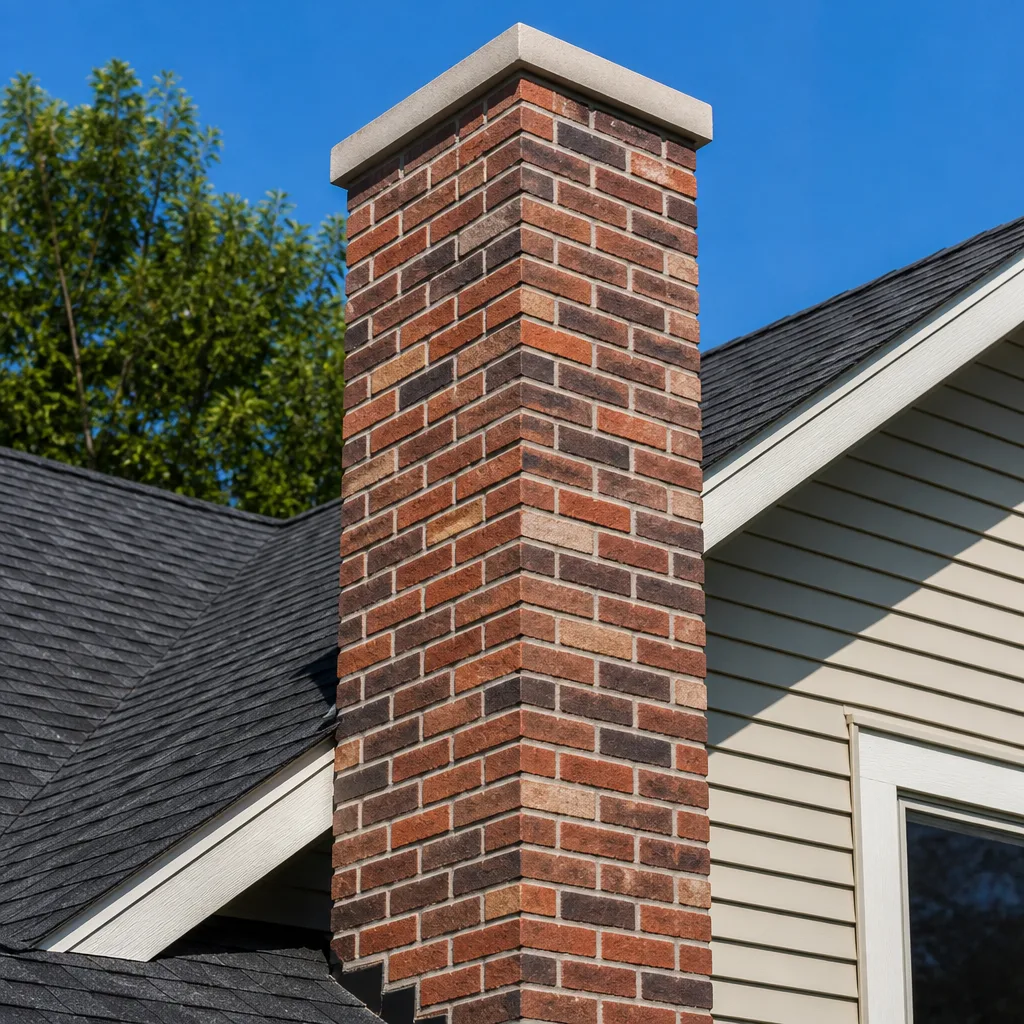 Masonry repair
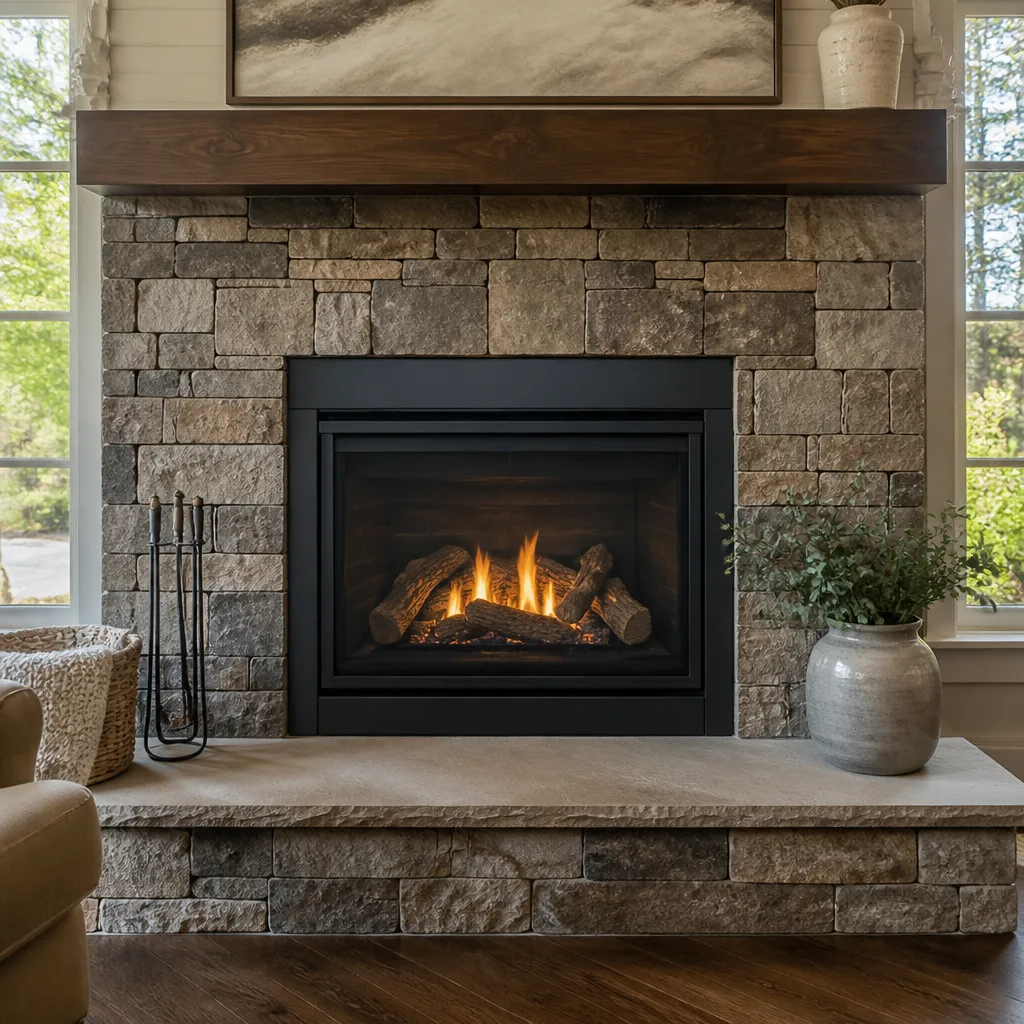 Gas fireplace service
Level 1 sweep and inspection to the NFPA 211 annual standard - flue, crown, cap, and flashing checked and photographed
Chimney sweep logs do not sweep chimneys. They loosen some creosote - which then falls where a brush and vacuum still have to collect it.
Chimney Cleaning Warning Signs: A Ventura Homeowner’s Reference Guide
The chimney warning sign Ventura homeowners most consistently miss isn’t smoke or smell. It’s white staining on the exterior brick, a mineral deposit called efflorescence that signals water has already been moving through the masonry for months. By the time you see dark streaks, hear animals, or smell smoke inside the house, the problem has usually been developing for a full season or longer. This guide explains what to look for, what each sign actually means, and which ones need attention now rather than later. We’ve written it for Ventura specifically, because our climate creates failure patterns that differ from what generic chimney advice describes.
Quick Answer
The earliest chimney warning signs in Ventura are usually structural and moisture-related, not combustion-related: white efflorescence staining on exterior brick, rust on the damper plate, a campfire smell during Santa Ana winds, or sounds of animals in the flue. Any of these means the chimney needs inspection. A chimney sweep can diagnose the cause and tell you whether repair is urgent or can be scheduled.
Styles & brands we work with
- Sweep & inspection
- Caps & crowns
- Flue relining
- Masonry repair
- Gas fireplace service
Table of Contents
- Efflorescence: The White Staining Ventura Homeowners Overlook
- The Santa Ana Campfire Smell: Draft Reversal, Not Just Residual Odor
- Animal Activity: Sounds, Odors, and Debris Patterns Worth Investigating
- Firebox and Smoke Chamber: Rust, White Haze, and Cracked Panels
- Spalling Brick and Deteriorating Mortar Joints
- Smoke Entering the Living Space: A Pressure Problem
- When to Act Now vs. When to Schedule: A Triage Framework
Efflorescence: The White Staining Ventura Homeowners Overlook
Efflorescence looks like a chalky white or gray film on the outside of a chimney. It forms when water moves through masonry, dissolves naturally occurring salts in the brick and mortar, and then evaporates at the surface, leaving the salts behind. The water is the problem. The staining is just evidence that water has already been inside your chimney structure. In Ventura, this matters more than in dryer climates because our masonry sees regular wetting through the winter months, even when it never freezes. The water doesn’t need to be dramatic. Persistent dampness from rain, fog, or morning condensation is enough to move salts through a chimney over time.
What efflorescence tells you is that the chimney’s moisture barrier is failing or was never adequate. The sources are varied and often simple to correct once identified. A cracked or missing chimney cap lets rain fall directly down the flue and soak the interior walls. Damaged or improperly installed flashing where the chimney meets the roof lets water run down the outside of the chimney structure. Brick that has become highly porous due to age wicks moisture like a sponge. And in homes where a wood-burning fireplace has been converted to gas without a proper chimney liner, condensation from the gas appliance can create interior moisture that migrates outward through the brick.
The white staining itself is not structural damage, but it is an early warning that the conditions for structural damage exist. If ignored, the same water that leaves white mineral deposits will eventually cause spalling: the flaking, cracking, and popping of brick faces. That is structural damage, and the repair involves removing and replacing masonry, which costs considerably more than correcting the moisture source early. The practical step for a Ventura homeowner who sees white staining is straightforward: get the chimney inspected. The source of the water needs to be found and corrected, whether that means a new cap, flashing repair, or a waterproofing treatment appropriate for the specific brick and mortar. In our experience at Chimney Sweep Ventura, most efflorescence we see has been forming for at least one full wet season before anyone notices it, because the staining starts faint and builds gradually.
The Santa Ana Campfire Smell: Draft Reversal, Not Just Residual Odor
A campfire smell inside a Ventura home during Santa Ana conditions is one of the most misunderstood chimney warning signs. Most homeowners assume it’s residual smoke odor from the last fire, trapped in the brick or soot and somehow reactivated by warmth. That is rarely what’s actually happening. The smell is usually a draft reversal: air is being pulled down the chimney and into the house, carrying the odor of the flue with it.
Santa Ana winds are strong, dry, and come from the northeast, which is a different direction than our prevailing onshore flow. That directional shift can overcome the normal upward draft in a chimney. The house then becomes a lower-pressure zone relative to the top of the flue, and air flows down the chimney instead of up it. That air carries whatever is inside the flue: creosote deposits, old soot, and sometimes dust or debris. The strength of the smell depends partly on how much creosote has built up, which is why a flue that hasn’t been swept in several seasons will produce a noticeably stronger odor during wind events.
This is a combustion-safety signal as much as a comfort issue. A flue with enough creosote to produce a strong campfire smell during a mild wind event is building toward a potential chimney fire. Creosote ignites at temperatures well below what’s happening inside a hot flue during normal operation, so the only variable that determines chimney fire risk is the amount of creosote and the temperature of the flue gases. Regular cleaning removes that fuel. A draft reversal is also a sign that the chimney’s design or condition isn’t maintaining proper pressure. In some cases, the flue is undersized for the appliance, the chimney is too short to establish adequate draft in Ventura’s often-warm winter air, or a missing cap is altering the flow dynamics at the top. Diagnosing which of these applies requires inspecting the system, not just tolerating the smell.
The short-term fix when a Santa Ana smell appears is to close the damper, which slows the reverse airflow. But the damper is not airtight, and the smell will usually return in strong winds. The actual resolution is a combination of routine cleaning to remove the odor-causing deposits and an inspection to identify why the draft is reversing under wind load. A properly functioning chimney with a clean flue and an appropriate cap should not push noticeable odors into the living space during normal Santa Ana events.
Animal Activity: Sounds, Odors, and Debris Patterns Worth Investigating
Animals in a chimney are never a minor issue, even when the animal itself has left. The presence of nesting material, droppings, or an animal carcass inside a flue changes both the safety and the performance of the system, and in Ventura we see plenty of animal intrusion because chimneys here go long stretches without use. A flue that sits quiet for months is an invitation to birds, squirrels, and raccoons. The signs are usually there before you see the animal itself.
The sounds vary by species and give you a clue about what’s inside. Scratching or scrambling during daylight hours is most often birds, which enter through missing or damaged spark arrestor screens on the cap. Nocturnal activity, meaning sounds at night, is more commonly raccoons or squirrels, and in Ventura raccoons are the more common culprit in chimneys that are open at the top. A rhythmic chirping or repeated vocalization usually indicates a nest with young, which means the animal has been there for weeks, not days. Any of these sounds means the cap is compromised or missing, because a properly installed cap with an intact screen prevents animals from entering the flue in the first place.
The odor signs are just as useful. A sharp, foul odor that appears suddenly often means an animal has died inside the flue or smoke chamber, and the carcass will not resolve on its own. A musty, organic smell that builds slowly is more consistent with nesting material, droppings, and fur accumulating over time. Those nests are not just a nuisance. They are flammable material sitting directly in the path of hot flue gases, and they can also block the flue enough to cause smoke and carbon monoxide to back up into the house. Debris at the bottom of the firebox is another tell. Small twigs, dried grass, bits of fur, or droppings mean something has been using the chimney as a home, and the nest is likely sitting higher up in the flue where you can’t see it from below.
The response to any animal sign should include removal of the animal (done humanely and in a way that doesn’t strand young inside the flue), cleaning of the nesting material and droppings, and repair or replacement of the cap to prevent recurrence. A chimney without a proper cap is an open door, and until that door is closed, each fall and winter season raises the odds of a new occupant moving in.
Firebox and Smoke Chamber: Rust, White Haze, and Cracked Panels
Some chimney warning signs are visible without climbing a ladder. The firebox, which is the area where the fire burns, shows its own set of indicators that reflect the condition of the entire system. The three most useful ones in Ventura homes are rust on the damper plate, a white haze on the firebox walls, and cracked refractory panels. Each points to a different underlying issue.
Rust on the damper plate or any metal component inside the fireplace is a moisture signal. The damper sits at the top of the firebox, just below the flue, and it is exposed to whatever falls down the chimney. If your damper plate is rusted, water has been entering the flue and reaching the metal. In Ventura, the most common source is a missing or damaged chimney cap that allows rain to fall directly down the flue. The damper rusts first because it’s the first metal surface the water hits. Other sources include interior condensation from a gas appliance that has been burning into an unlined or improperly lined chimney. Gas combustion produces water vapor, and if the flue isn’t sized or lined correctly, that vapor condenses on the cooler metal and brick surfaces. A rusted damper is not a cosmetic issue. Over time, the damper can seize in position or rot through, and the same moisture that rusted it has been doing other work inside the flue that you can’t see from below.
A white haze on the firebox walls is the same mineral deposition process as exterior efflorescence, but visible inside the home. It tells you moisture has been moving through the masonry from the outside, or that interior condensation has been carrying salts through the brick. Either way, the white film is a sign that the chimney’s moisture profile is off. Cracked refractory panels in a prefabricated fireplace are a different category. The refractory panels line the firebox and are designed to absorb and reflect the heat of the fire. When they crack, the heat from a fire can reach the metal shell behind the panels, which is not rated for that direct exposure. Cracked panels should be replaced before the fireplace is used again.
All three of these signs are visible during a simple visual inspection with a flashlight, and all three justify a professional inspection. The rust and white haze indicate a moisture source that needs to be identified, and the cracked panels indicate a heat-exposure risk that gets worse with each fire. In our experience, these are the warning signs that appear earliest in a chimney’s decline, often a full season or two before the homeowner notices any functional symptom like smoke backing up.
Spalling Brick and Deteriorating Mortar Joints
Spalling is the flaking, cracking, or complete breaking away of brick surfaces, and it’s the condition that efflorescence warns about. The mechanism is simple: water penetrates the brick, and when the water content changes, whether through additional wetting or simple drying, the brick’s structure weakens. The brick doesn’t need to freeze to spall. In Ventura, spalling is caused by the repeated wetting and drying cycle, combined with the natural aging of the brick’s surface. The freeze-thaw damage you sometimes read about in chimney guides is not the issue here. Our winters are mild and no local chimney is dealing with that particular failure mode.
Deteriorating mortar joints are a related but distinct condition. The mortar between bricks is the sacrificial material in a chimney structure. It erodes through weather exposure, and when it does, the joints become soft, crumbly, or recessed. That creates gaps where water can enter and where the bricks begin to move independently. A chimney with deteriorating mortar joints is structurally less stable than one with intact joints, even if the bricks themselves look fine.
The progression in Ventura typically goes like this: the chimney cap fails or flashing leaks, allowing water to reach the masonry. The water moves through the bricks and mortar, carrying soluble salts. Efflorescence appears on the surface as the water evaporates. Over time, the constant wetting weakens the brick faces, and spalling begins: small chips, then larger flakes, then whole sections of brick face popping off. The mortar joints erode in parallel. At this stage, the chimney is no longer shedding water effectively, and each rainy season accelerates the process. The repair path depends on how far the deterioration has advanced. Early repair may involve repointing the joints and applying an appropriate waterproofing to slow further absorption. Later-stage repair may require rebuilding sections of the chimney. The point to remember is that spalling is always the result of a moisture problem that could have been addressed earlier, and the earlier you address it, the less masonry work is required.
Smoke Entering the Living Space: A Pressure Problem
Smoke entering the room when you light a fire is a warning sign that the chimney isn’t drafting properly, and the cause is almost always a pressure or airflow problem rather than a simple need for sweeping. A properly functioning chimney creates draft: the warm flue gases rise, pulling fresh air into the firebox and carrying combustion products up and out. When smoke comes back into the room, something is interrupting that upward flow.
The most common cause is a flue obstruction. Creosote buildup, animal nesting, or fallen debris narrows the flue opening and restricts airflow. A narrowed flue moves less air, so the draft is weaker, and in severe cases smoke can’t clear the firebox fast enough. The chimney needs a chimney sweep to remove the obstruction. But obstruction is only one of several causes, and in Ventura homes there’s another factor that comes up frequently: negative house pressure. Modern homes are sealed more tightly than older ones, and exhaust fans in kitchens and bathrooms, along with central heating that pulls combustion air from inside, can lower the air pressure inside the house relative to the chimney. When that happens, the chimney becomes a source of outside air rather than an exhaust path, and smoke pushes into the room. The fix isn’t a chimney cleaning: it’s providing makeup air or adjusting how the house manages its pressure balance.
Another cause is flue temperature. On a mild Ventura evening, the air inside an exterior chimney may be almost the same temperature as the air outside, which means there’s no temperature differential to establish draft when you first light the fire. Cold air sits in the flue, and smoke has nowhere to go. This is more common in chimneys on outside walls and in homes that haven’t used the fireplace in months. The short-term correction is to warm the flue with a piece of burning paper held near the damper before lighting the main fire, but if the problem persists, it suggests the chimney’s design or the appliance’s air supply doesn’t match the home’s current conditions. Persistent smoke problems deserve a professional diagnosis, because continuing to use a fireplace that doesn’t draft properly means combustion products, including carbon monoxide, are staying in the living space rather than leaving through the flue. That is the most serious consequence of any chimney malfunction, and the reason smoke symptoms should never be tolerated as just a quirk of the fireplace.
When to Act Now vs. When to Schedule: A Triage Framework
Not every chimney warning sign requires the same response. Some conditions call for immediate action before the next fire, while others are better handled through a scheduled inspection and cleaning at the start of the burning season. The framework below reflects how we approach the distinction in our own work: separating the conditions that represent active danger from those that are early warning signs of future expense.
Act now – do not light another fire:
- Smoke entering the living space. This means combustion products are staying in the house, and carbon monoxide exposure is possible. Stop using the fireplace and schedule an inspection before the next fire.
- Animal sounds or dead animal odor coming from the chimney. The flue may be blocked by nesting material, and the animal itself poses a secondary problem. Remove the animal and clean the system before any fire.
- Cracked refractory panels in the firebox. The fire’s heat can reach the metal structure behind the panels if use continues, which risks the integrity of the fireplace itself.
- Strong creosote odor during mild weather, not just wind events. A flue with enough creosote to smell strongly under ordinary conditions is a chimney fire waiting for a hot enough fire.
Schedule at your next reasonable opportunity:
- Efflorescence on exterior brick. This is an early structural warning. It won’t worsen dramatically in a week, but it should be inspected before the next rainy season.
- Rust on the damper plate. The moisture source needs to be found and corrected, but the rust itself is not an immediate fire hazard.
- White haze on firebox walls. Same moisture family as efflorescence, indicative of a long-term condition rather than an acute one.
- Deteriorating mortar joints. Structural decline is happening, but it advances over seasons, not days. Schedule the inspection before it becomes spalling.
The common thread through the urgent list is combustion safety. The common thread through the scheduled list is moisture. A moisture problem costs you more the longer it runs, but it doesn’t pose the same immediate risk as a blocked flue or a damaged firebox. When in doubt, err toward inspection. The cost of finding out that a symptom was benign is far lower than the cost of finding out it wasn’t.
Common Mistakes to Avoid
- Ignoring efflorescence as a cosmetic issue. The white staining itself is not structural, but it is the visible result of water moving through the chimney, and the underlying moisture source will cause real masonry damage if not corrected. In Ventura’s recurrent winter wetness, that progression happens faster than most homeowners expect.
- Assuming a campfire smell during Santa Ana winds is just residual odor. The smell is usually a draft reversal carrying flue deposits into the house, and the intensity of the smell tracks with how much creosote is present. Treat it as a maintenance signal, not a weather quirk.
- Using the fireplace while a strong creosote odor persists. The odor means your flue is loaded with fuel. Lighting a fire in that condition is the single most common path to a chimney fire, and chimney fires burn hot enough to crack flue liners and ignite nearby framing.
- Delaying a sweep because the fireplace was barely used last season. Creosote doesn’t go away on its own, and in Ventura the long gaps between use mean whatever was deposited during the last fire has been sitting in the flue, often attracting moisture and hardening into a glaze that’s harder to remove.
- Treating a missing or damaged chimney cap as a minor detail. The cap is the roof of your chimney. Without it, rain falls directly down the flue, animals move in, and the entire system’s moisture profile changes for the worse.
- Continuing to use a fireplace with cracked refractory panels. The panels are the heat shield for the metal structure of a prefabricated fireplace, and using the fire with a cracked shield transfers heat to materials not designed for direct exposure.
- Assuming your dryer vent isn’t part of your chimney picture. Ventura homes often have aging dryer duct systems that carry the same fire hazard profile as a dirty chimney. Dryer vent cleaning is the same category of preventive safety work, and it’s worth addressing on the same schedule as your chimney.
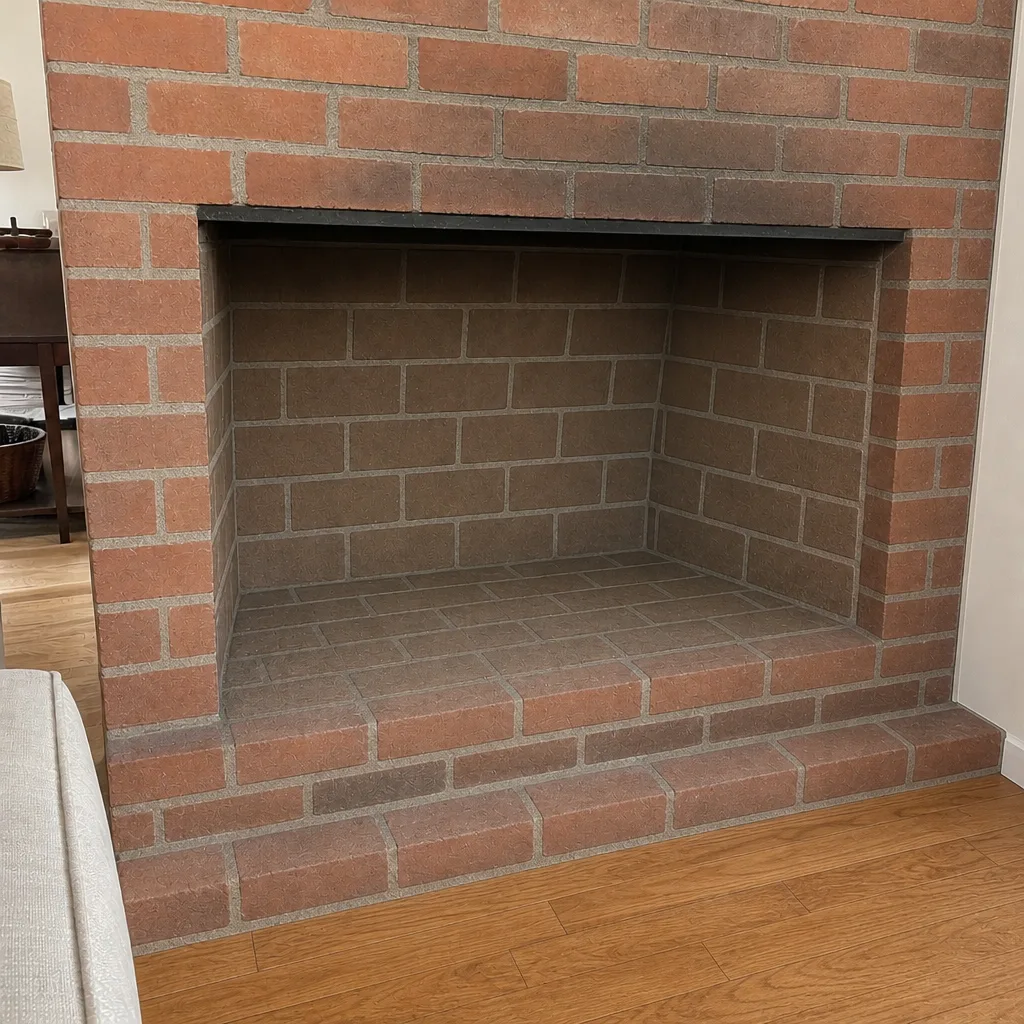
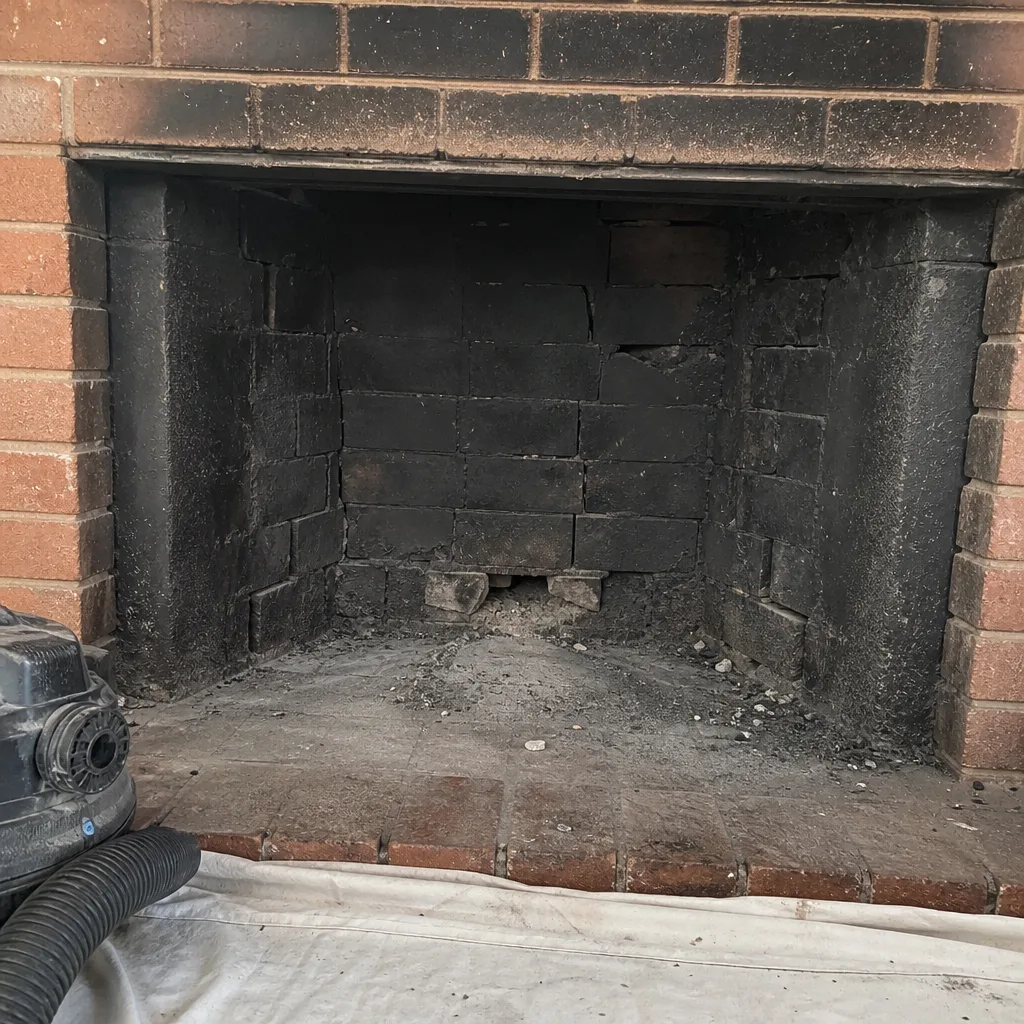
See the difference
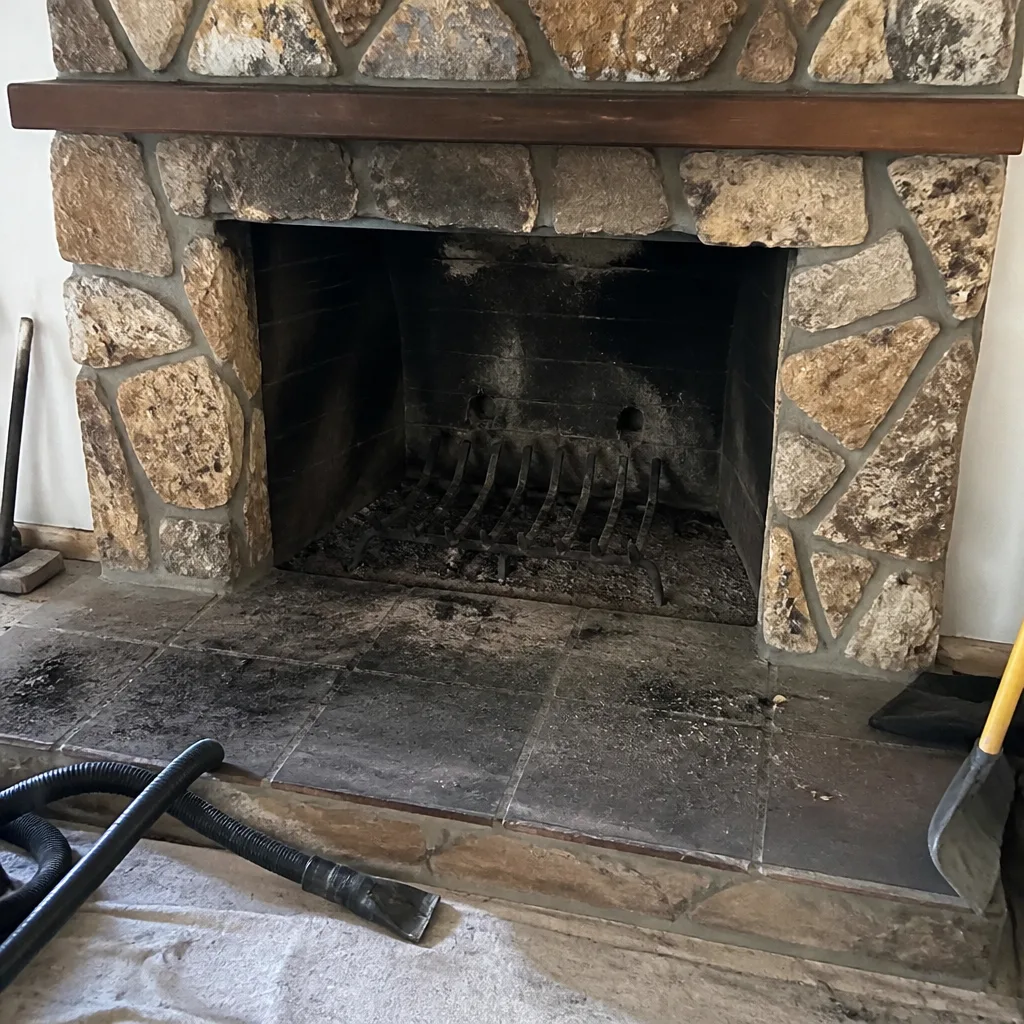 Before
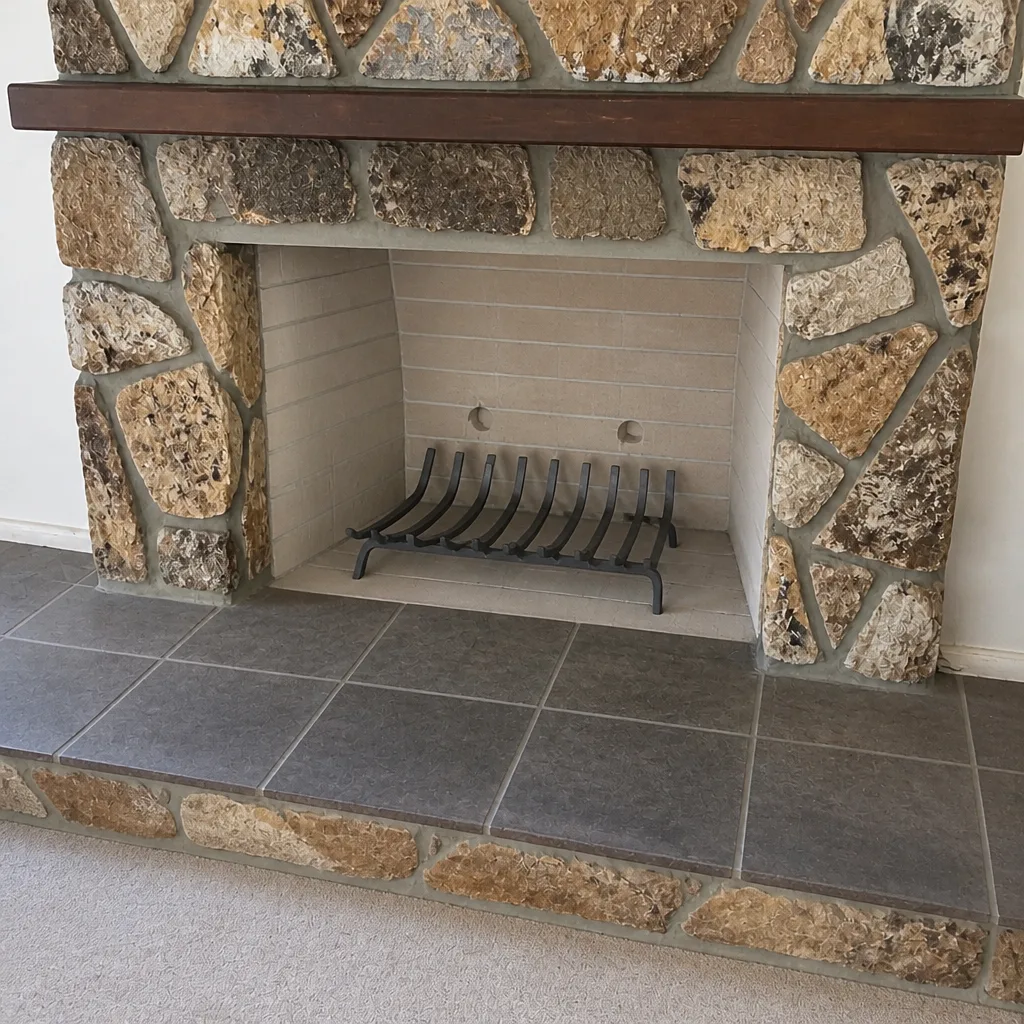 After
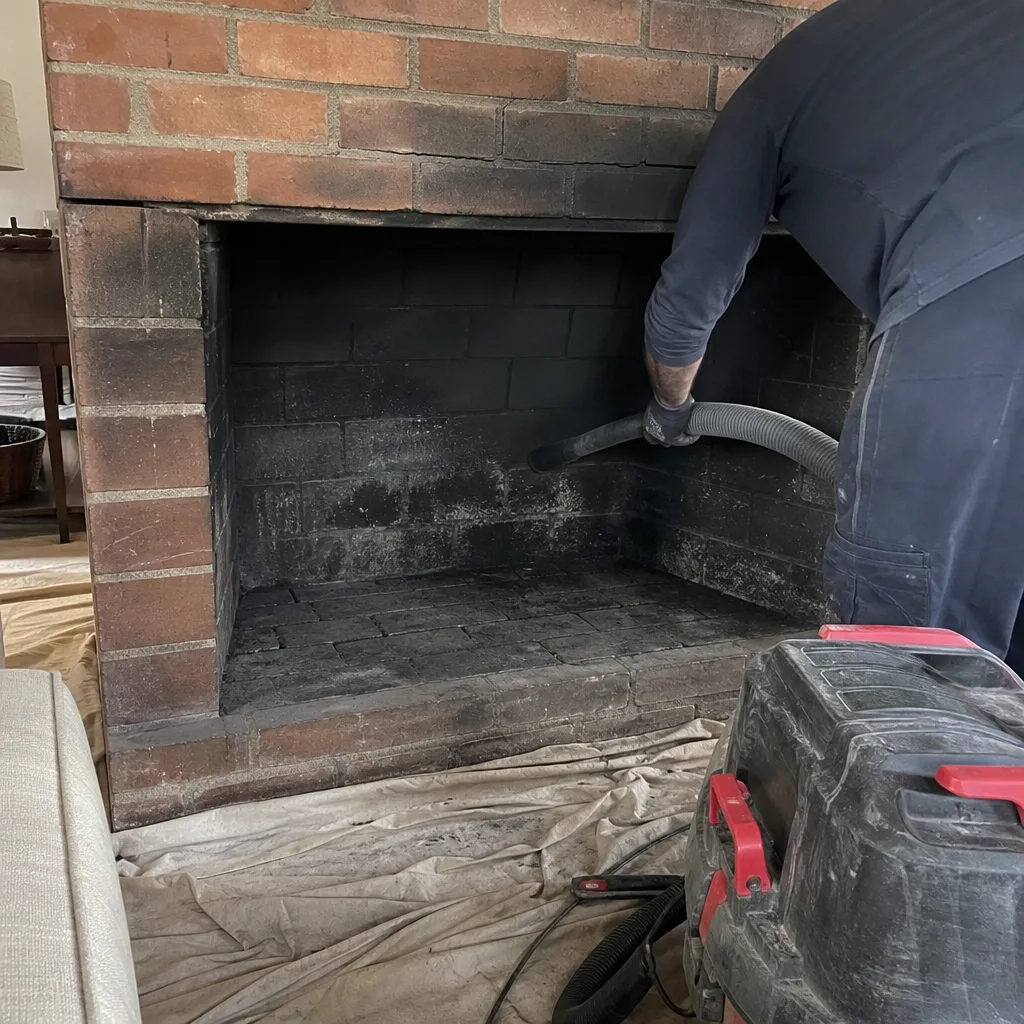 Before
 After
 Before
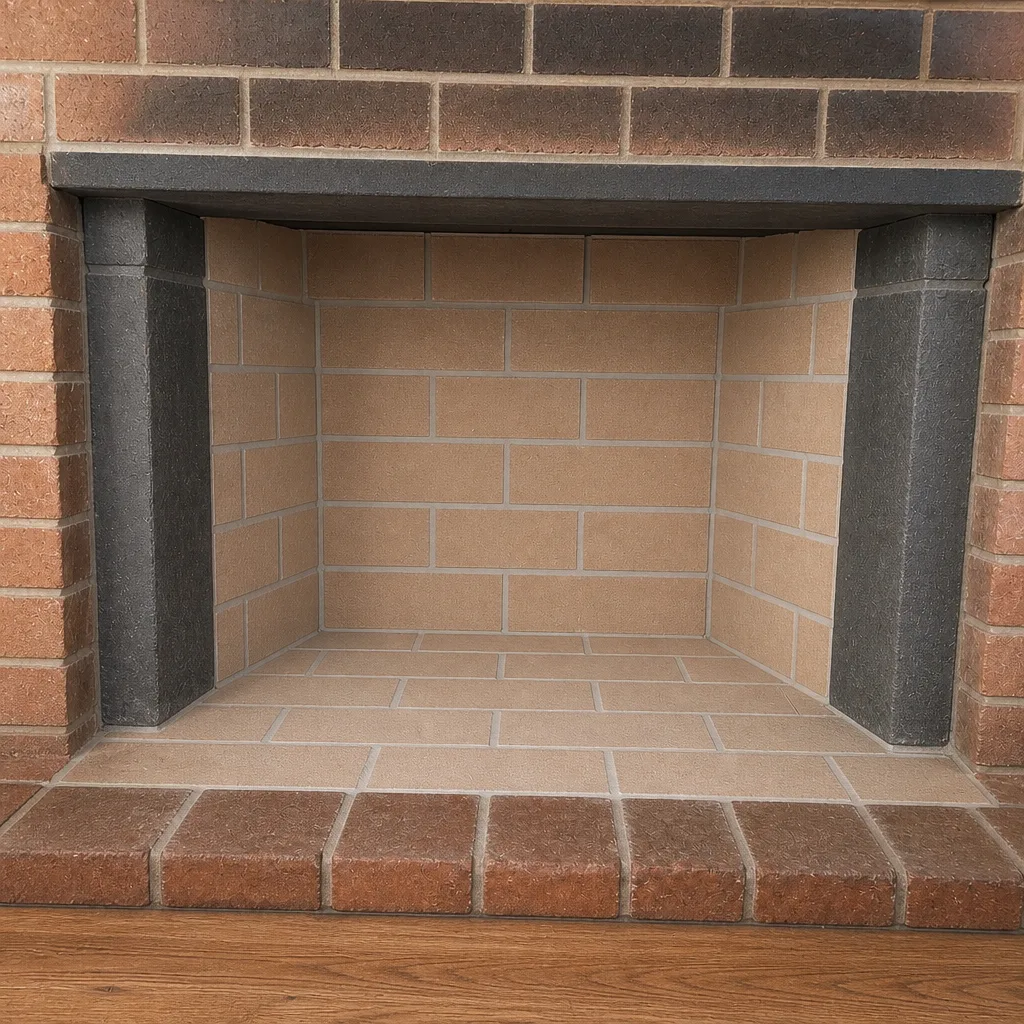 After
When to Call a Professional
The signs in this guide are things you can see, smell, or hear from inside your own home. What you can’t do from the living room is determine the exact source and severity of the condition. Smoke backing up could be creosote buildup, or it could be a pressure balance problem that a cleaning won’t fix. Efflorescence could be a cap issue, a flashing issue, or a porous brick issue, each with a different repair. Animal sounds could mean a nest near the top of the flue or a full blockage mid-flue. A professional inspection answers the question that matters: what is causing this, and how urgent is it? At Chimney Sweep Ventura, we do the full diagnostic, not just the sweep. We inspect the cap, flashing, liner, firebox, and smoke chamber, and we report what we find in plain terms. If the flue liner is damaged, we can often restore it with HeatShield cerifying rather than replacing it, and if a liner replacement is needed, our DuraFlex flexible liner systems handle complex flue configurations without major masonry work. Chimney Sweep Ventura offers free estimates in Ventura – call (877) 798-8581. We answer 24/7. Fast dispatch from 7am to 7pm, Sunday through Friday.
Frequently Asked Questions
The earliest signs are often not combustion-related: white efflorescence on exterior brick, rust on the damper plate, a campfire smell during windy conditions, and sounds or debris indicating animal activity. In Ventura specifically, moisture-related signs tend to appear first because chimneys here sit unused for long periods between fires, giving water time to work through the masonry.
The smell during Santa Ana winds is usually a draft reversal: the strong northeast winds overcome the chimney’s normal upward flow and push air down the flue, carrying creosote odor into the house. It indicates both that the flue has enough creosote to produce the smell and that the chimney’s cap or design isn’t preventing reverse airflow. A cleaning and inspection address both.
The National Fire Protection Association recommends a sweep whenever creosote reaches 1/8 inch of buildup, and for most Ventura homes that translates to an annual inspection at minimum, with cleaning based on what the inspection finds. Homes that burn frequently or burn unseasoned wood may need more frequent cleaning, while homes that rarely use the fireplace still need periodic inspection because moisture and animals do their work regardless of use.
The white staining itself is not structural damage, but it proves that water has been moving through the chimney masonry, and that moisture will eventually cause spalling if not addressed. Efflorescence is best treated as an early warning: find the water source now, before the repair becomes a masonry rebuild.
You can do a meaningful visual check of the firebox, damper, and exterior brick from the ground or with a stepladder, and that’s the first place most warning signs appear. What you can’t see from below is the condition of the flue liner, the cap, the flashing, or the smoke chamber, which is why an annual professional inspection is part of responsible chimney ownership.
Yes, and the mechanism is the same: lint accumulates in the duct, restricts airflow, and becomes fuel that can ignite from the dryer’s heat. Ventura homeowners often focus on chimney maintenance and overlook the dryer duct, which carries equivalent fire risk and should be cleaned on the same preventive schedule.
The Bottom Line
Chimney warning signs in Ventura follow a pattern: moisture and structural issues appear first, often as white staining or rust, and combustion issues like smoke backup or strong creosote odor follow as the system deteriorates. The signs are visible if you know what to look for, and most are inexpensive to correct when caught early. The discipline is simple: inspect the firebox and exterior brick regularly, pay attention to smells during wind events, listen for animals, and get a professional inspection at least once a year. If you’re seeing any of the signs in this guide, the next step is a call rather than another fire. Call (877) 798-8581. We answer 24/7. Fast dispatch from 7am to 7pm, Sunday through Friday.
Written by the team at Chimney Sweep Ventura, serving Ventura since 2011.