
Last updated November 4, 2026
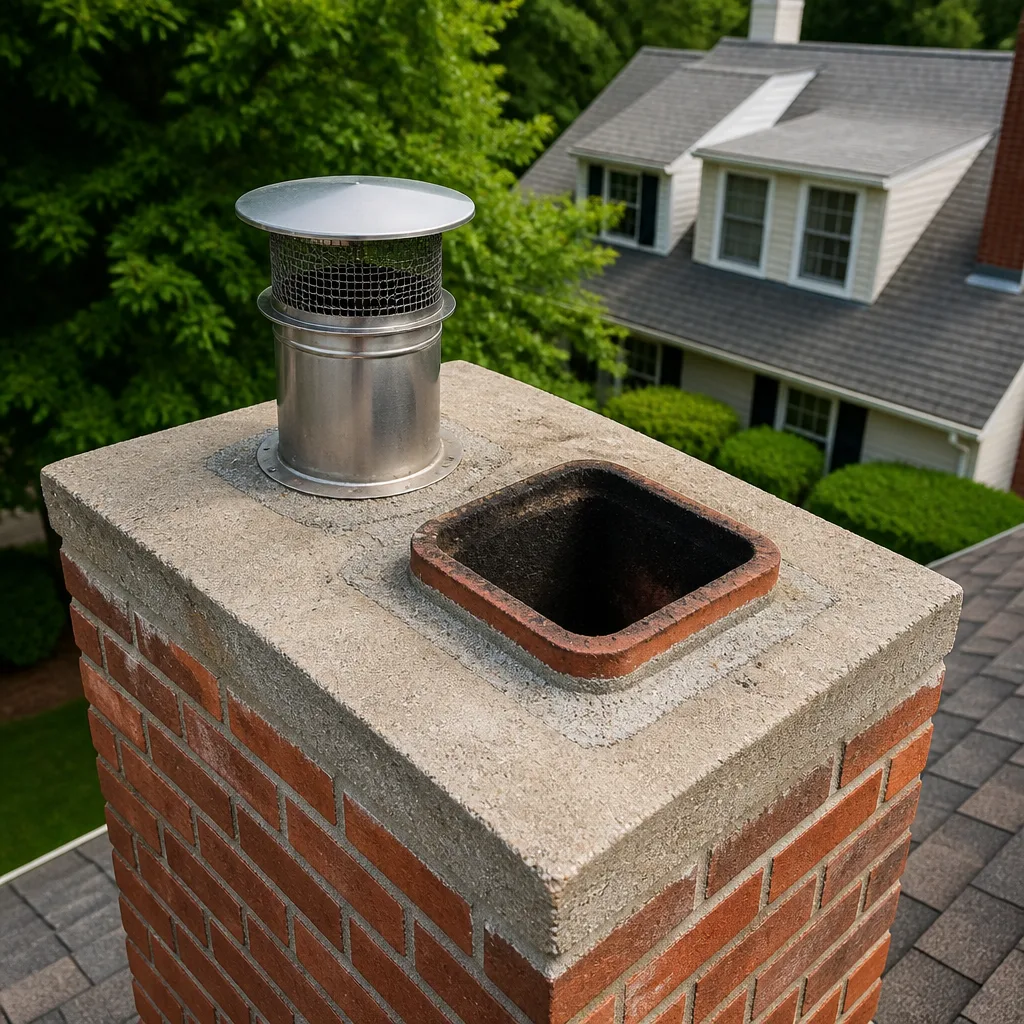 Sweep & inspection
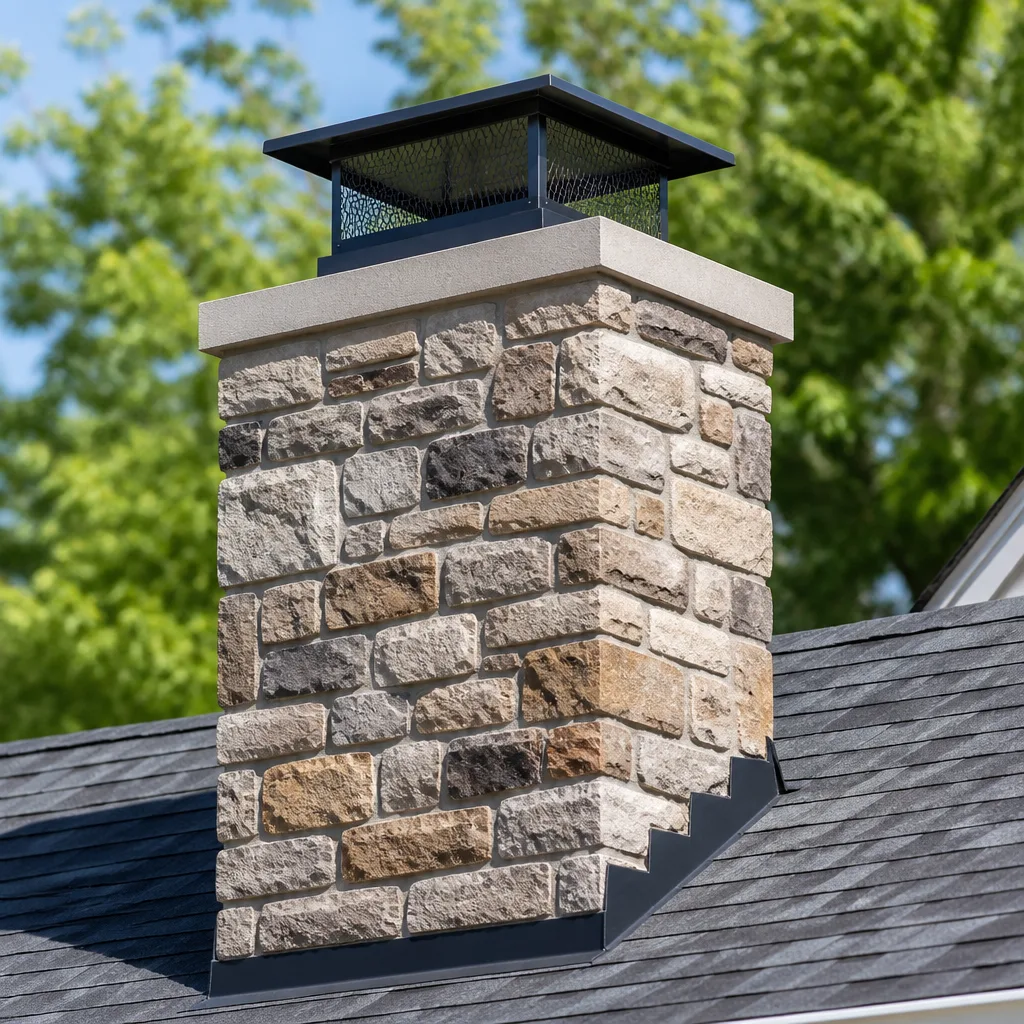 Caps & crowns
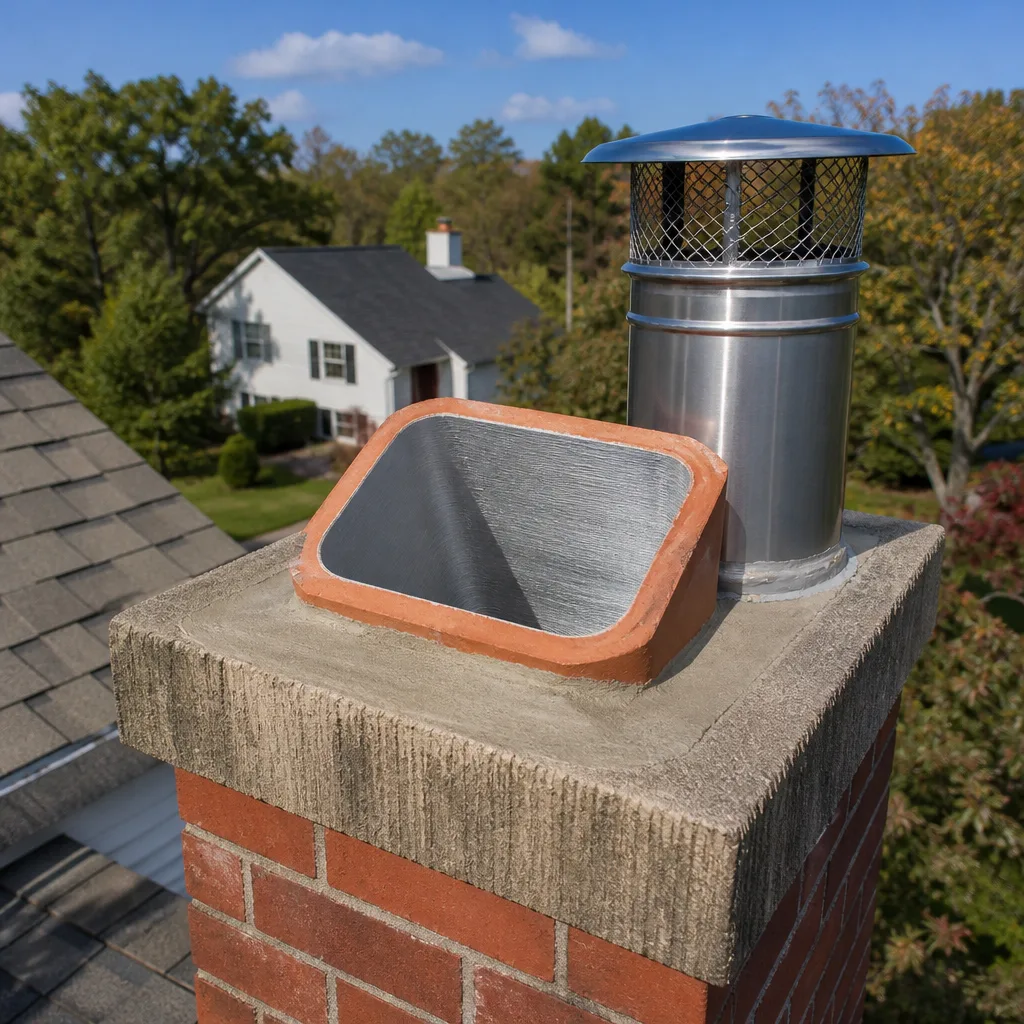 Flue relining
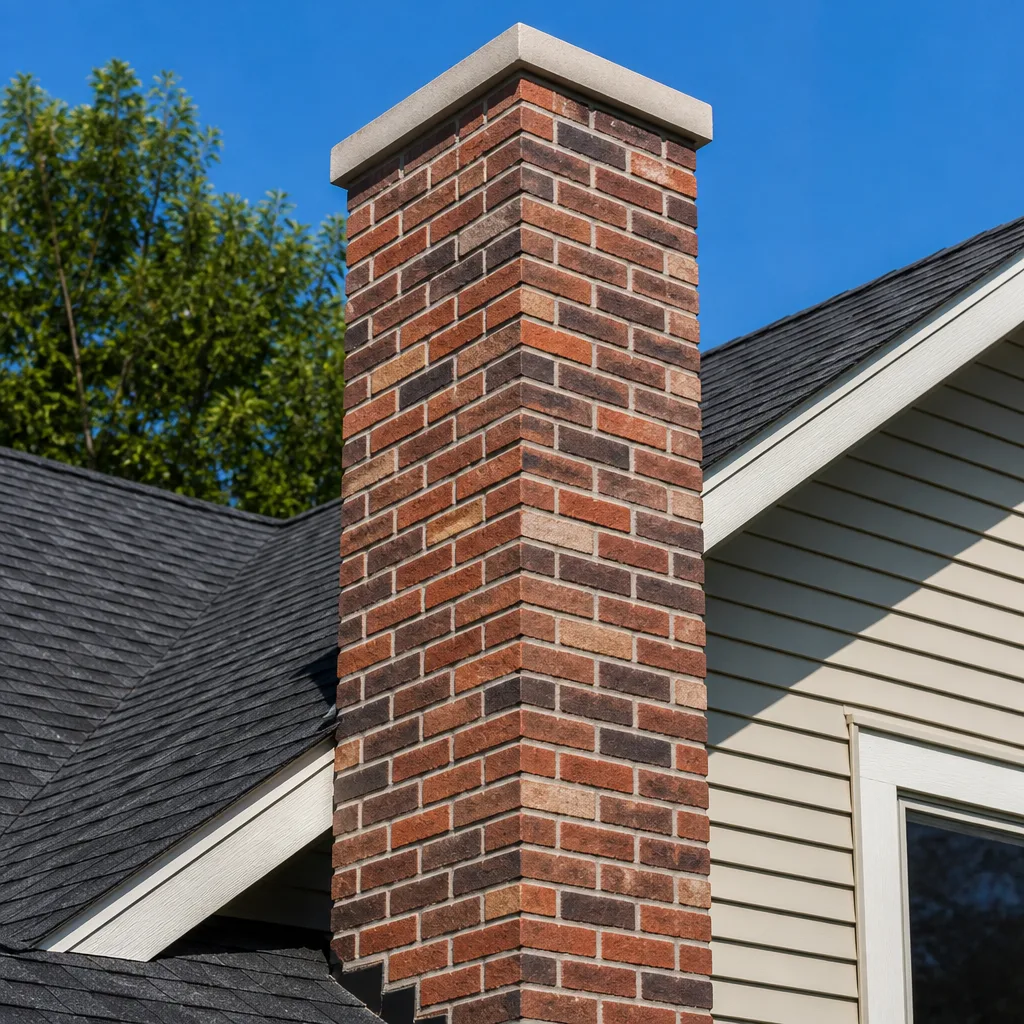 Masonry repair
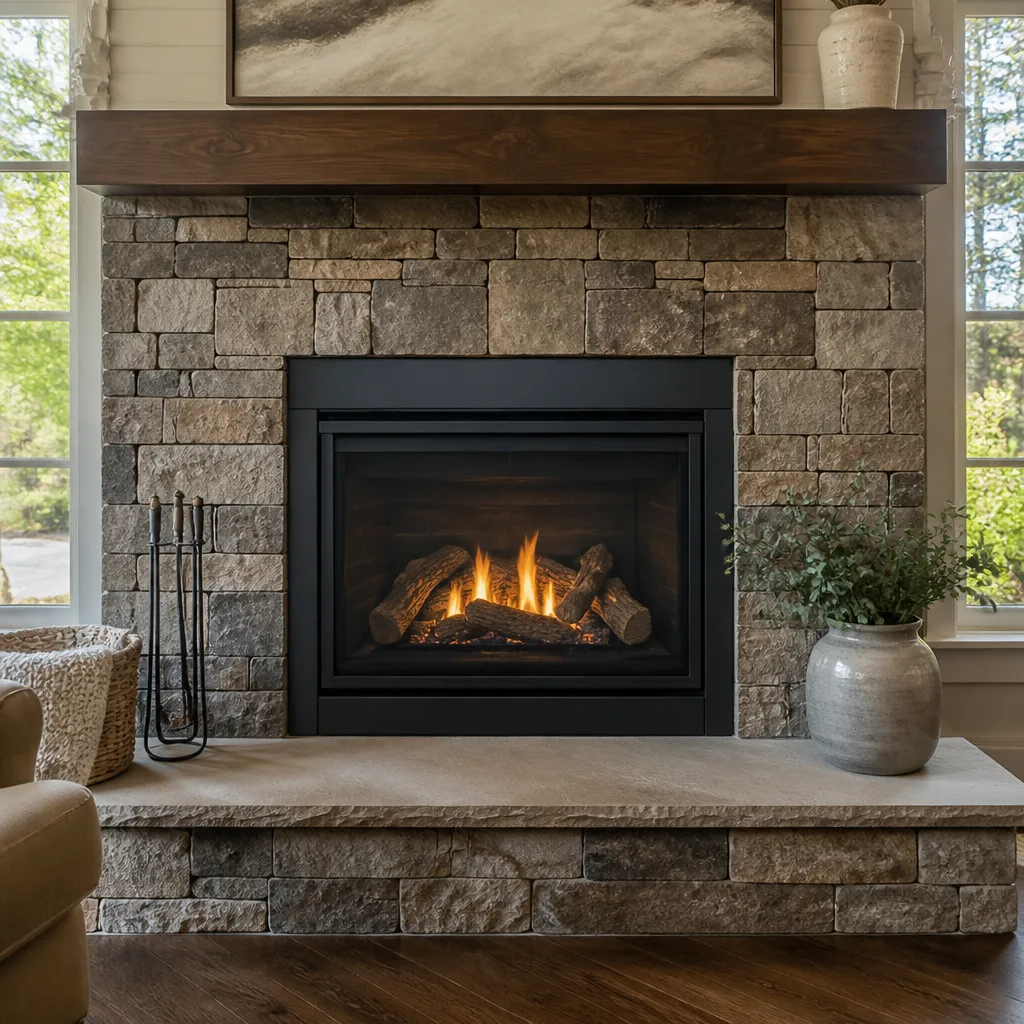 Gas fireplace service
Level 1 sweep and inspection to the NFPA 211 annual standard - flue, crown, cap, and flashing checked and photographed
Chimney sweep logs do not sweep chimneys. They loosen some creosote - which then falls where a brush and vacuum still have to collect it.
Choosing the Right Chimney Cleaning Brand: A Buyer’s Guide for Ventura
Most homeowners in Ventura spend their research time comparing sweep prices, reading reviews about punctuality, and asking whether the technician wore shoe covers. Almost nobody asks the question that actually determines how long their chimney system will last: what materials is this company going to put on my house? The cap, liner system, crown sealant, and damper hardware your contractor sources have a far bigger impact on your long-term costs than the sixty-dollar difference between two sweep quotes. A galvanized steel cap from a big-box store will corrode in Ventura’s coastal air within a few years, while a stainless model from a professional supply channel will outlast the chimney itself. This guide explains how to evaluate chimney contractors by the materials they use, not just the labor they provide.
Styles & brands we work with
- Sweep & inspection
- Caps & crowns
- Flue relining
- Masonry repair
- Gas fireplace service
Quick Answer
The right chimney cleaning company in Ventura is one that sources professional-grade materials, not retail hardware, and can show you what they’re installing. Look for a company that stocks or has direct access to brands like HeatShield for liner restoration and Olympia Chimney Supply for caps and crown sealants. A sweep-only operation can clean your flue, but only a full-service chimney company can diagnose material failures and fix them with components built for coastal California conditions.
Table of Contents
- Why the Materials a Chimney Contractor Uses Matter More Than the Sweep Itself
- Professional Supply Channels vs. Retail Products: What the Brand Names Actually Tell You
- Stainless Steel vs. Galvanized vs. Aluminum in Ventura’s Coastal Environment
- How to Evaluate a Contractor’s Product Recommendations: Upsell or Real Diagnosis?
- What ‘Full-Service’ Actually Means: Product Inventory and Installation Capability
- Questions to Ask Before You Hire a Chimney Company in Ventura
- Common Mistakes to Avoid
- When to Call a Professional
- Frequently Asked Questions
- The Bottom Line
Why the Materials a Chimney Contractor Uses Matter More Than the Sweep Itself
A chimney sweep removes creosote and soot. That’s the visible part of the job, and it’s important for fire safety. But the components that keep your chimney functioning between sweeps are the caps, liners, crowns, and dampers. Those parts sit outside in Ventura’s coastal air year-round, exposed to sun, moisture, and temperature swings. A sweep gets your flue clean for a season. A cap made from the wrong metal starts corroding the day it’s installed and keeps corroding whether you sweep or not.
We’ve seen homeowners in Ventura pay for a professional sweep every year while a corroded galvanized cap quietly rusted through above the flue, letting rain and debris into the chimney the whole time. The sweep wasn’t the problem. The materials were. When you’re choosing a chimney company, you’re really choosing what grade of materials will end up on your roofline.
Here’s what to evaluate:
- Liner system materials: Flexible stainless steel liners, like those from DuraFlex, are specified for a reason. They handle heat cycling and acidic flue gases without the pitting and scaling that affect thinner, generic alternatives. The liner is the single most important safety component in a wood-burning chimney.
- Cap material and gauge: A stainless steel cap resists the chloride-rich air of a coastal climate. Galvanized steel does not. The difference in upfront cost is modest. The difference in service life is decades.
- Crown sealant quality: The crown is the concrete or mortar slab that seals the top of the chimney. What your contractor spreads over it determines whether water penetrates within two seasons or ten. Professional-grade sealants are flexible and breathable. Hardware-store caulk is neither.
- Damper hardware: A cheap cast-iron damper with a loose fit leaks heated air from your house all winter. A well-manufactured top-sealing damper from a professional supply source stops that loss. Choosing a company that carries the better hardware is a one-time decision that affects your heating bill every year.
In Ventura, where winters are mild and the chimney may go unused for stretches of the year, material quality matters in a way it might not in a colder inland market with heavy use. You’re not running the fireplace daily, so the parts you install need to hold up to the environment, not just to heavy use cycles.
Professional Supply Channels vs. Retail Products: What the Brand Names Actually Tell You
When a contractor names the brand of liner, cap, or sealant they use, they’re telling you something specific about their sourcing. Professional chimney supply companies, like Olympia Chimney Supply and Gelco, sell through distribution networks that certified chimney installers use. You won’t find these brands on the shelf at a home center. That’s not an accident. It’s a distribution model built around trained installers who understand flue sizing, clearance requirements, and material compatibility.
Here’s what professional-grade sourcing actually indicates:
- The contractor has trade accounts. You can’t walk into retail and buy a HeatShield restoration kit or a DuraFlex liner section. Access to these products means the contractor maintains relationships with industry supply distributors.
- They’ve been vetted by the supply chain. Professional distributors don’t sell to anyone with a credit card. They typically require contractor verification, which is a soft signal that the company operates as a legitimate trade business.
- They install what they clean. A company that can source liner systems and restoration materials can follow through on recommendations. A sweep-only operation that finds a cracked liner can tell you to call someone else. A full-service chimney company can fix what they find.
- Their warranty claims work through professional channels. Product failures, when they happen, get handled through manufacturer relationships, not a return desk.
At Chimney Sweep Ventura, the repair side of our work uses materials from HeatShield, Gelco, Olympia Chimney, and Famco. That’s not a marketing point. It’s a practical one. When our technicians identify a liner crack during a chimney sweep, the restoration material we need is something we can actually order and install. The same applies to caps, crown sealants, and damper components.
Retail products aren’t universally bad. A homeowner can buy a decent brush or a simple spark arrestor at a hardware store. But for liner systems, flue restoration, and crown sealing, the professional channel exists for a reason: these are safety components that interact with fire, exhaust gases, and structural masonry. The margin for error with generic products is smaller than most homeowners realize.
Stainless Steel vs. Galvanized vs. Aluminum in Ventura’s Coastal Environment
Ventura’s climate is mild, but it is not inert. Coastal air carries moisture and chlorides that accelerate corrosion on ferrous metals. That makes material selection for exterior chimney components a real engineering decision, not a cosmetic preference.
Here’s how the three common metals perform here:
- Stainless steel: The right choice for caps, chase covers, and liner systems in Ventura. A quality stainless cap resists corrosion for decades, holds its structural integrity in high winds, and pairs correctly with stainless flue liners. It costs more upfront, but it’s a one-time purchase for most homes.
- Galvanized steel: A zinc coating over carbon steel. The zinc protects the steel sacrificially, but only until it wears away. In coastal conditions, galvanized caps typically begin showing rust within three to five years. Once the zinc is gone, the steel corrodes rapidly. We tell homeowners in Ventura to treat galvanized caps as temporary components, not permanent ones.
- Aluminum: Lightweight and rust-free, but it’s a soft metal. Aluminum caps are easily dented by impact and can warp in sustained heat. They’re common on dryer vents and bathroom exhausts, where the conditions are less demanding. For a wood-burning chimney, aluminum is generally the wrong material for a cap or liner.
The takeaway for Ventura homeowners is straightforward: if a contractor proposes a galvanized cap for a wood-burning or gas chimney, ask why. In most cases, they’re saving a small amount of money at your long-term expense. A stainless cap from a professional source like Olympia Chimney will cost more on the invoice, but it won’t need replacement in five years.
This same logic applies to liner materials. A flexible stainless liner is the standard for wood-burning appliances because it handles creosote byproducts and high heat without degrading. The brand matters less than the material specification, but the professional brands earn their place by holding to consistent metallurgical standards.
How to Evaluate a Contractor’s Product Recommendations: Upsell or Real Diagnosis?
Every contractor recommends products. Some recommendations are legitimate. Some are padded invoices. The difference comes down to whether the recommendation is tied to a specific, observable condition in your chimney, and whether the contractor can show you the evidence.
Here’s a framework for evaluating what you’re told:
- Ask for the evidence. If a contractor says you need a new liner, ask to see the camera footage. A legitimate chimney company will have inspection camera images showing the crack, spalling, or separation. If they can’t show you the problem, don’t approve the repair.
- Ask what happens if you wait. A real diagnosis has a timeline. A cracked flue liner in a wood-burning chimney creates a fire risk because creosote can accumulate in the crack and ignite against combustible materials. A contractor who explains the mechanism, rather than just saying “this is bad,” is more likely giving you an honest assessment.
- Ask about alternatives. Not every damaged liner requires full replacement. HeatShield restoration, for example, can resurface a cracked flue with a ceramic compound that seals small gaps and restores structural integrity. If a contractor only offers full replacement and never mentions restoration as an option, you may be paying for more work than you need.
- Watch for pattern language. Contractors who push the same add-ons on every house, regardless of what they find, are not diagnosing. They’re selling. A real inspection generates different findings in different chimneys. Ask what specifically about your system led to each recommendation.
Our approach at Chimney Sweep Ventura is simple: we show you the camera footage, explain what it means, and present the repair options that match the actual condition of your flue. Sometimes that’s a sweep. Sometimes it’s a liner restoration. Sometimes the recommendation is that nothing needs to happen this year. We tell you what we find, not just what sounds alarming.
What ‘Full-Service’ Actually Means: Product Inventory and Installation Capability
The phrase “full-service chimney company” gets thrown around loosely. Here’s what it should mean in practical terms: the company can both diagnose a chimney problem and fix it, using professional materials, without sending you to another contractor.
A sweep-only operation has one core capability: cleaning. That’s valuable, but it has a ceiling. When a sweep finds a cracked liner, a failing crown, or a corroded cap, the conversation ends with a referral. You then start a second search for a chimney repair contractor, explain the problem again, and wait for another estimate. The handoff adds time, cost, and communication risk.
A full-service chimney company carries different inventory and different skills:
- HeatShield ceramic restoration capability: The ceramic material is mixed on site and applied to the damaged flue liner in multiple passes. This restores the fire resistance and structural seal of the flue without a full teardown. It’s a specialized process that requires training, equipment, and manufacturer certification. Sweep-only companies don’t offer it.
- DuraFlex flexible liner installation: Older chimneys often have flue dimensions or offsets that make rigid liner replacement difficult or impossible. DuraFlex liners are stainless steel, flexible enough to navigate bends, and specified for continuous wood-burning use. Installing them is skilled work that involves sizing the liner to the appliance, insulating as needed, and connecting to the correct termination.
- Crown repair and sealing with professional products: A cracked crown lets water into the chimney chase and the masonry below. The repair involves more than smearing caulk over the crack. It requires cleaning the surface, filling voids, and applying a flexible sealant that expands and contracts with the concrete without losing adhesion.
- Dryer vent cleaning on the same visit: This isn’t about chimney materials, but it’s about scope. A full-service venting company can address the chimney and the dryer exhaust in one visit, because both are venting hazards with similar failure modes. For a homeowner in Ventura, that means one appointment covers the complete set of residential fire-hazard vents.
One company from sweep to repair is not just a convenience. It’s a structural difference in how your chimney system gets maintained. When the company that cleans your flue also understands the flue’s materials and can repair them, recommendations stay grounded in actual conditions rather than referral incentives.
We also offer dryer vent cleaning alongside chimney services because lint-clogged dryer vents are a real fire hazard in Ventura homes, and the same inspection mindset applies to both systems. Your dryer vent is a fire hazard too, even if it doesn’t have a flue liner.
Questions to Ask Before You Hire a Chimney Company in Ventura
You don’t need to become a materials engineer to make a good hiring decision. You need to ask questions that reveal whether the contractor thinks in terms of material quality and long-term performance, or just in terms of getting through the appointment.
Here are the questions we recommend for any homeowner in Ventura:
- What brand of cap, liner, or sealant do you install, and why that brand? A contractor who can name a professional brand and explain why they chose it is operating with a materials mindset. A contractor who says “whatever the supply house has” is telling you they don’t think about material quality.
- Do you do camera inspections as part of the service? If they don’t, that’s not automatically disqualifying, but it limits what they can tell you about the inside of your flue. A camera inspection is the only way to see liner cracks, obstructions, and gaps that are invisible from the firebox.
- Can you restore a liner, or do you only replace them? HeatShield restoration is a legitimate, code-compliant repair path for many liner failures. If a company doesn’t offer it, they’ll recommend full replacement more often. That may be correct for your chimney, but you should know whether alternative paths exist.
- Will you show me the footage or photos from the inspection? If the answer is no, that’s a warning sign. We tell you what we find, and we can show you the images that support the finding. No reputable chimney company should ask you to approve repairs based on a verbal description alone.
- Are your materials specified for coastal conditions? Ventura’s air is not the same as Bakersfield’s. Stainless steel and professional-grade sealants matter more here. A contractor who understands that distinction is more likely to spec the right components.
- What’s included in the sweeping service? Some sweeps are just a brush through the flue. Others include a full inspection, damper operation check, and camera assessment. The difference in value is significant, even if the price difference is small.
In our experience, the way a contractor answers these questions tells you more than their review count. A confident professional welcomes material questions. A less experienced operation dodges them.
Common Mistakes to Avoid
- Treating all chimney sweeps as interchangeable. A sweep is not just a sweep. The company that cleans your chimney also determines what materials get installed when something breaks. Choosing the cheapest sweep in Ventura means choosing that company’s material standards, whether you know them or not.
- Accepting a galvanized cap without asking for stainless. In Ventura’s coastal air, galvanized caps rust within a few years. Paying slightly more for stainless steel is not an upgrade. It’s the baseline for a component that’s supposed to last.
- Approving liner replacement without seeing camera evidence. You shouldn’t pay thousands for a new liner based on a verbal claim. Ask to see the footage. If the contractor won’t show it, find another contractor.
- Assuming restoration isn’t an option. HeatShield ceramic resurfacing works for many liner cracks that would otherwise mean a full replacement. If your contractor doesn’t mention it, ask why. You may have a less invasive, lower-cost repair path available.
- Ignoring the dryer vent because the chimney guy didn’t mention it. Lint-clogged dryer vents cause house fires every year. If a company offers both chimney and dryer vent service, you can address both hazards in one appointment instead of hiring two contractors.
- Focusing on price before materials. The couple hundred dollars you save on a cheap cap or a budget liner sealant will come back as repair costs later. In chimney work, the cheap option is usually the expensive option with a delay.
- Hiring a company that can’t repair what they find. If your sweep finds a cracked liner and then refers you to someone else, you’re starting over. Choose a company that can follow the problem from diagnosis through resolution.
When to Call a Professional
You should call a chimney professional when you see rust streaks on your cap, when your fireplace smells musty or smoky even when not in use, when you find pieces of tile or mortar in the firebox, or when it’s been more than a year since the last sweep. These are signs that materials are degrading or creosote is building. In Ventura’s mild climate, the chimney may sit unused for months, but moisture and coastal air are working on the exterior components the whole time. A professional inspection catches small problems before they become liner replacements or masonry repairs. Chimney Sweep Ventura offers free estimates in Ventura. Call (877) 798-8581 to schedule an inspection.
Frequently Asked Questions
The best chimney company in Ventura is one that combines professional cleaning with full material repair capability, including liner restoration and stainless steel component installation. Look for a company that sources from professional supply brands like HeatShield and Olympia Chimney, not retail hardware. Chimney Sweep Ventura offers sweeping, repair, and dryer vent cleaning from diagnosis through resolution. Call (877) 798-8581 for a free estimate.
A professional chimney sweep in Ventura typically costs between $180 and $340, depending on the condition of the flue, the height of the roof, and whether a camera inspection is included. The written estimate sets the final price before any work begins. Call (877) 798-8581 for an exact quote.
Many cracked or degraded liners can be restored with HeatShield ceramic resurfacing, which seals small gaps and restores the flue’s fire resistance without a full replacement. Full replacement is reserved for severe structural failure or incompatible sizing. A camera inspection shows which path applies to your chimney. Call (877) 798-8581 and we’ll show you the footage before recommending any repair.
Galvanized steel caps corrode quickly in Ventura because coastal air carries moisture that breaks down the zinc protective coating within a few years, exposing the carbon steel underneath. A stainless steel cap from a professional supplier like Olympia Chimney resists this corrosion and lasts the life of the chimney. The upfront cost difference is small compared to repeated replacement.
The National Fire Protection Association standard is to have a chimney inspected annually and swept when creosote accumulation reaches a safety threshold. For most Ventura homeowners who burn wood seasonally, that means a sweep every one to two years. Gas fireplaces need less frequent sweeping but still benefit from annual inspection of the venting system. Call (877) 798-8581 to schedule a chimney sweep.
Skipping a sweep allows creosote to accumulate inside the flue, which is the primary fuel for chimney fires. It also means small problems like a cracked liner or failing crown go undetected until they cause structural damage or carbon monoxide risks. In Ventura’s coastal climate, the exterior components degrade whether or not you use the fireplace, so the inspection value of the sweep matters as much as the cleaning. Call (877) 798-8581 to book a sweep before the burning season.
The Bottom Line
Choosing a chimney cleaning brand in Ventura is really about choosing a materials standard. The cap, liner, crown sealant, and damper hardware your contractor installs determine the long-term safety and durability of your chimney system. Professional supply brands like HeatShield, Olympia Chimney, and Gelco indicate that a contractor sources through trained installer channels, not retail shelves. Stainless steel handles Ventura’s coastal air; galvanized does not. A full-service company that can sweep, inspect, and repair with professional materials gives you one accountable path from diagnosis to resolution. If you’re evaluating chimney companies in Ventura, call Chimney Sweep Ventura at (877) 798-8581. We’ll inspect your system, show you what we find, and recommend the materials that match the actual condition of your chimney.
Written by the team at Chimney Sweep Ventura, serving Ventura since 2011.
See the difference
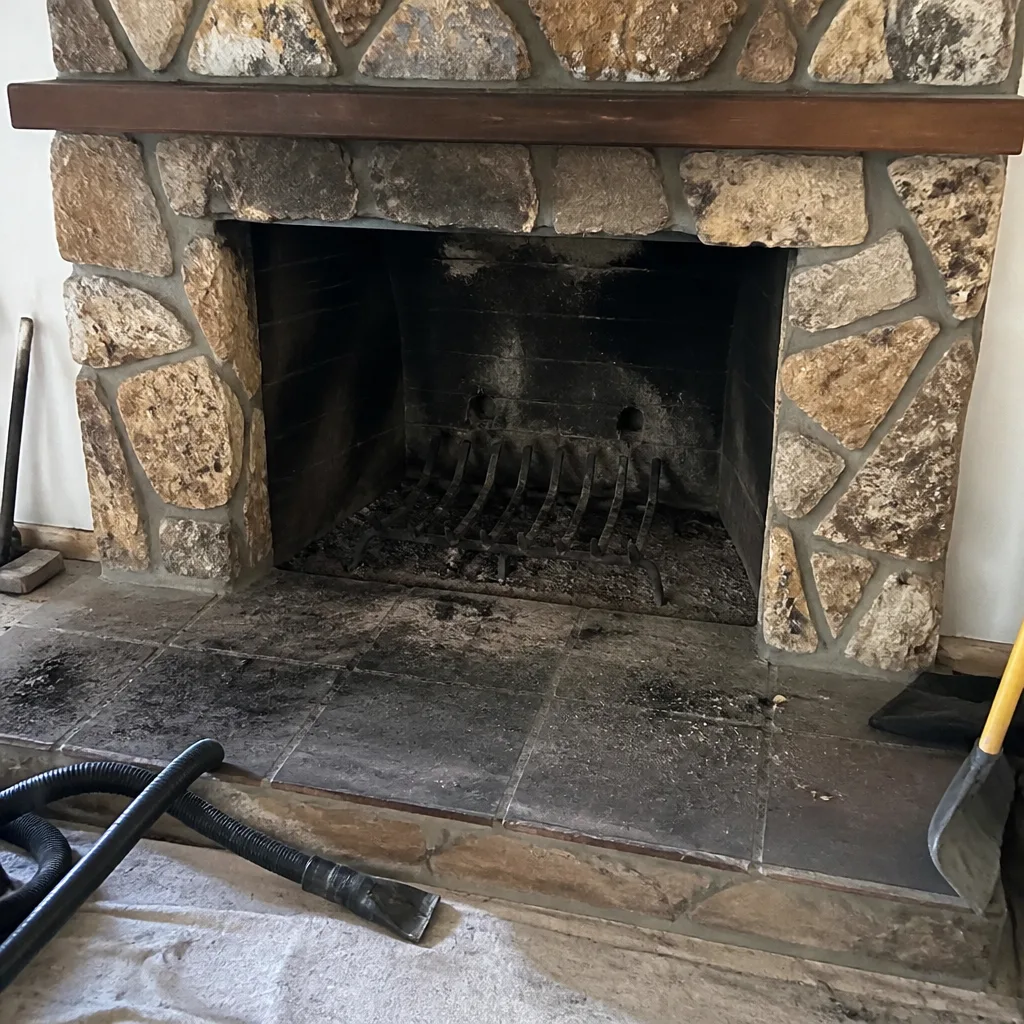 Before
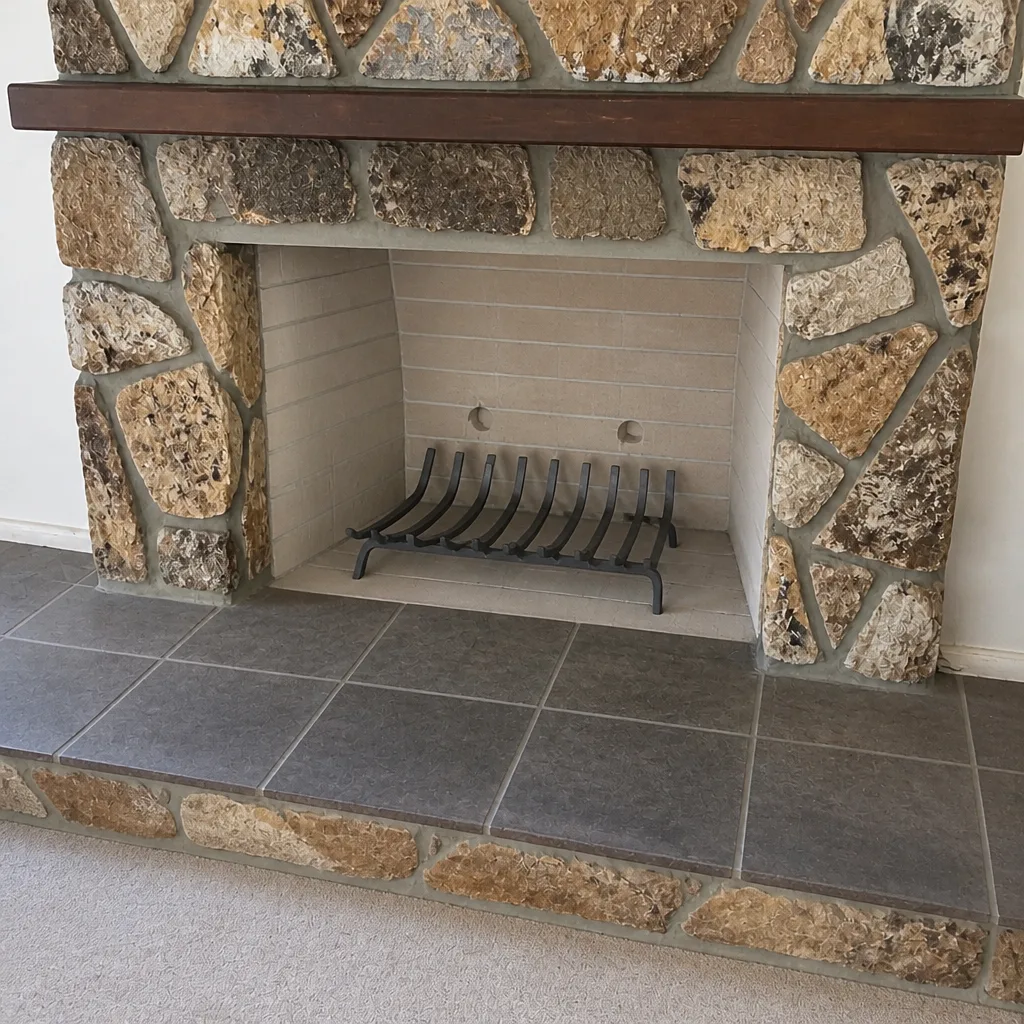 After
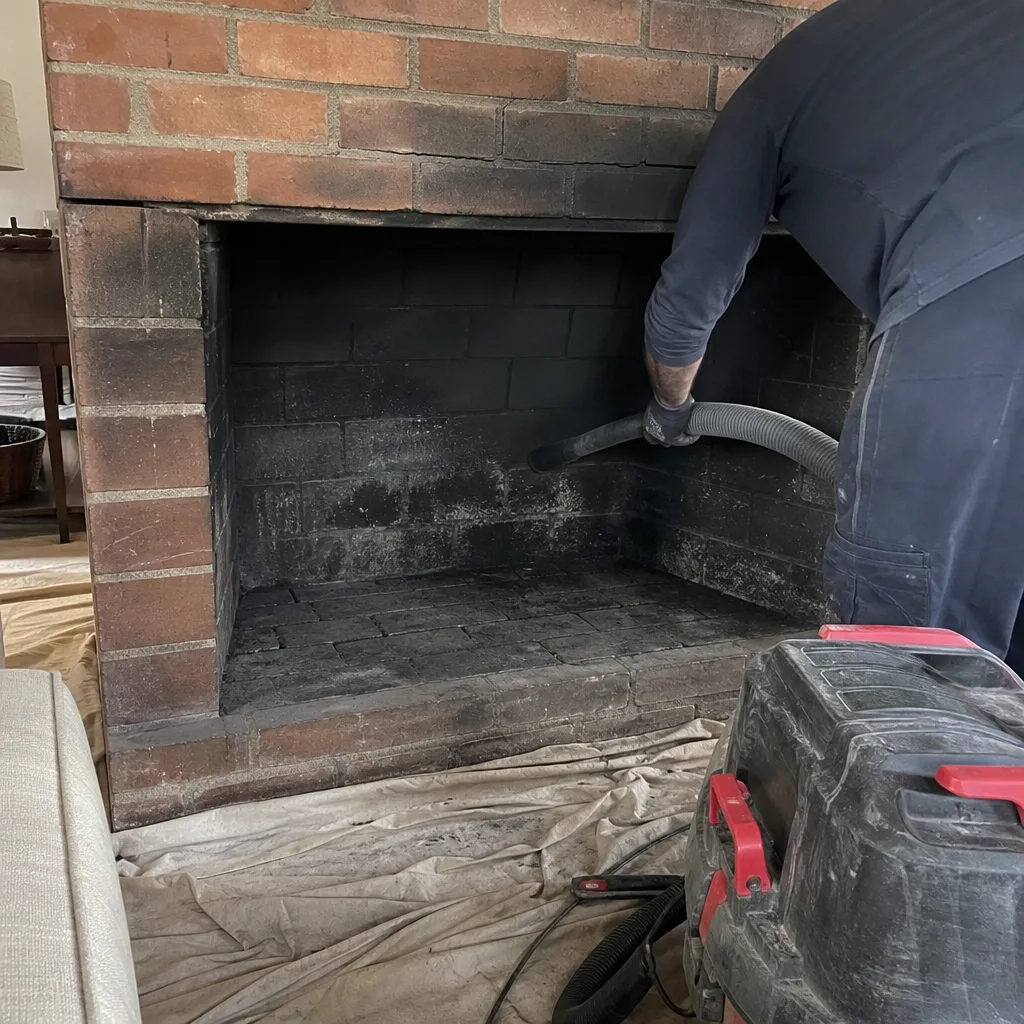 Before
 After
 Before
 After