
Last updated November 4, 2026
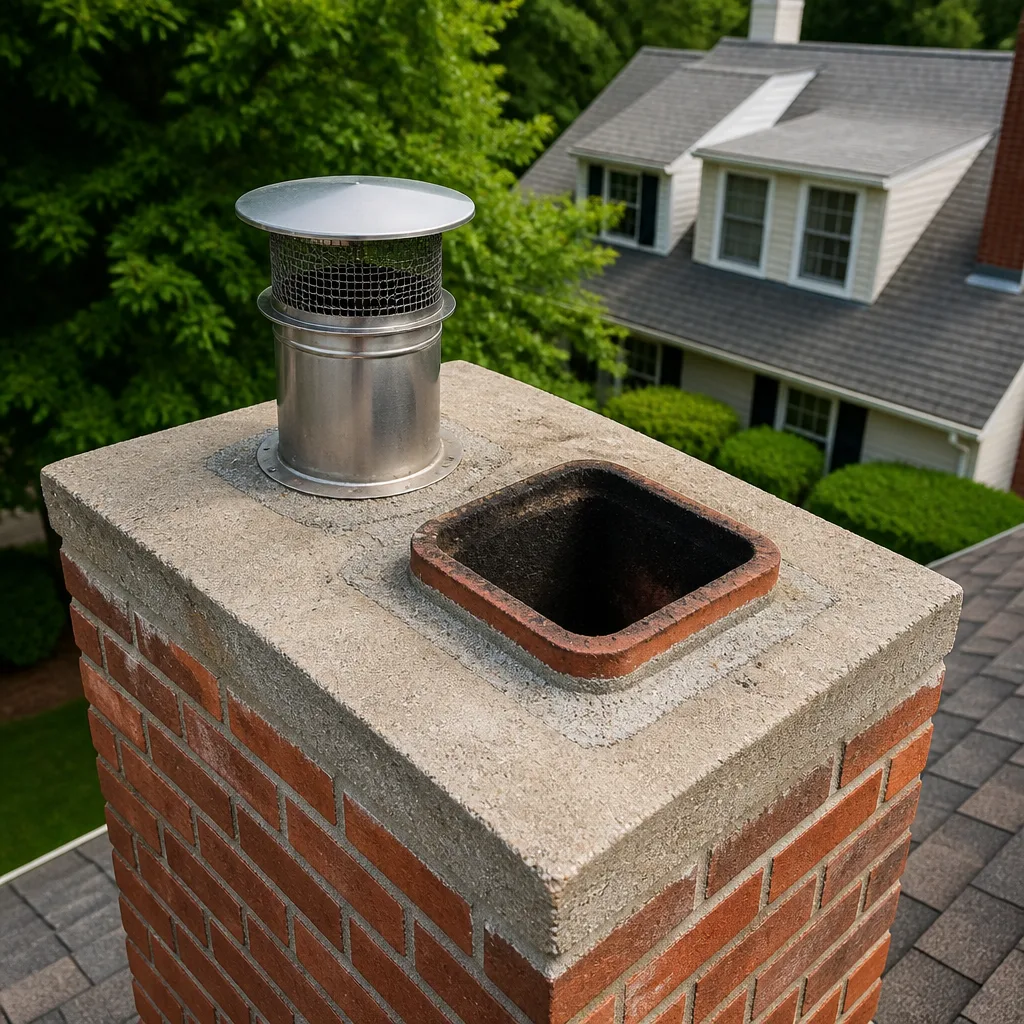 Sweep & inspection
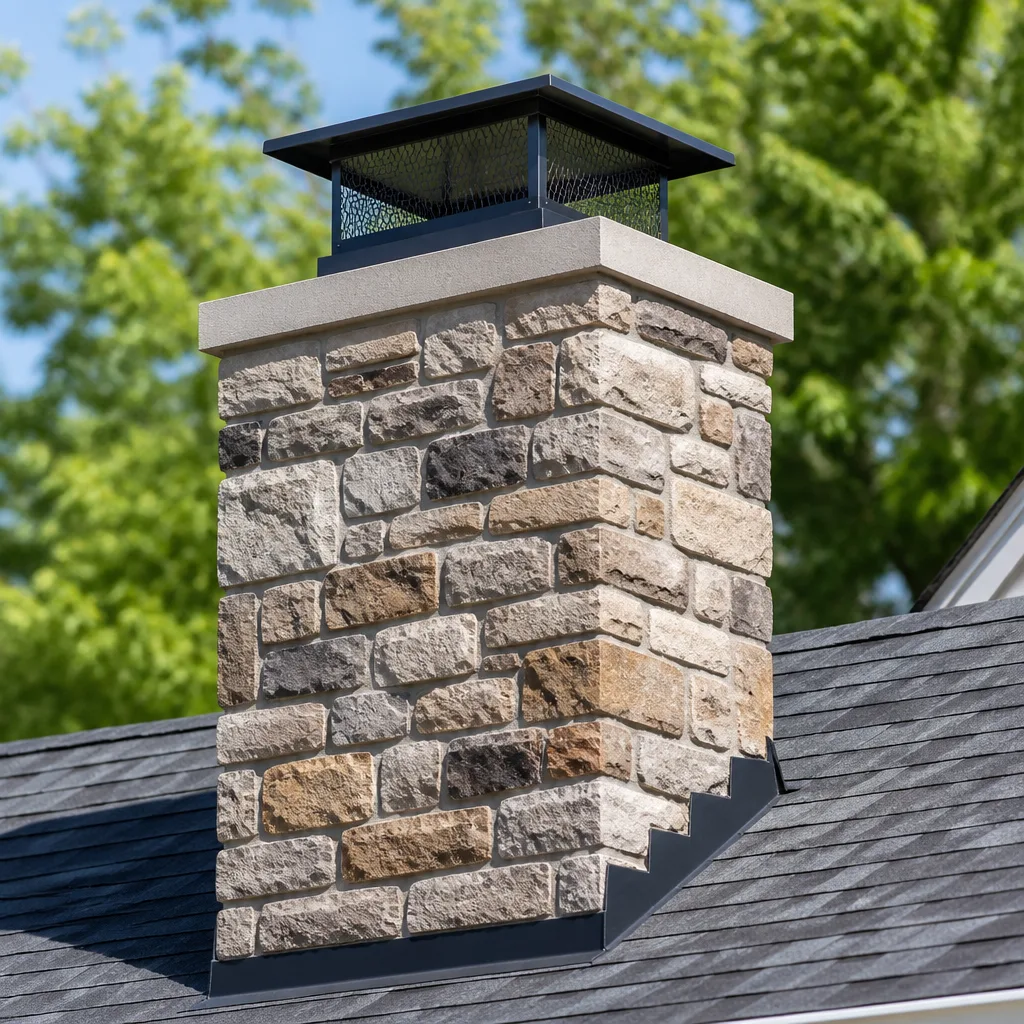 Caps & crowns
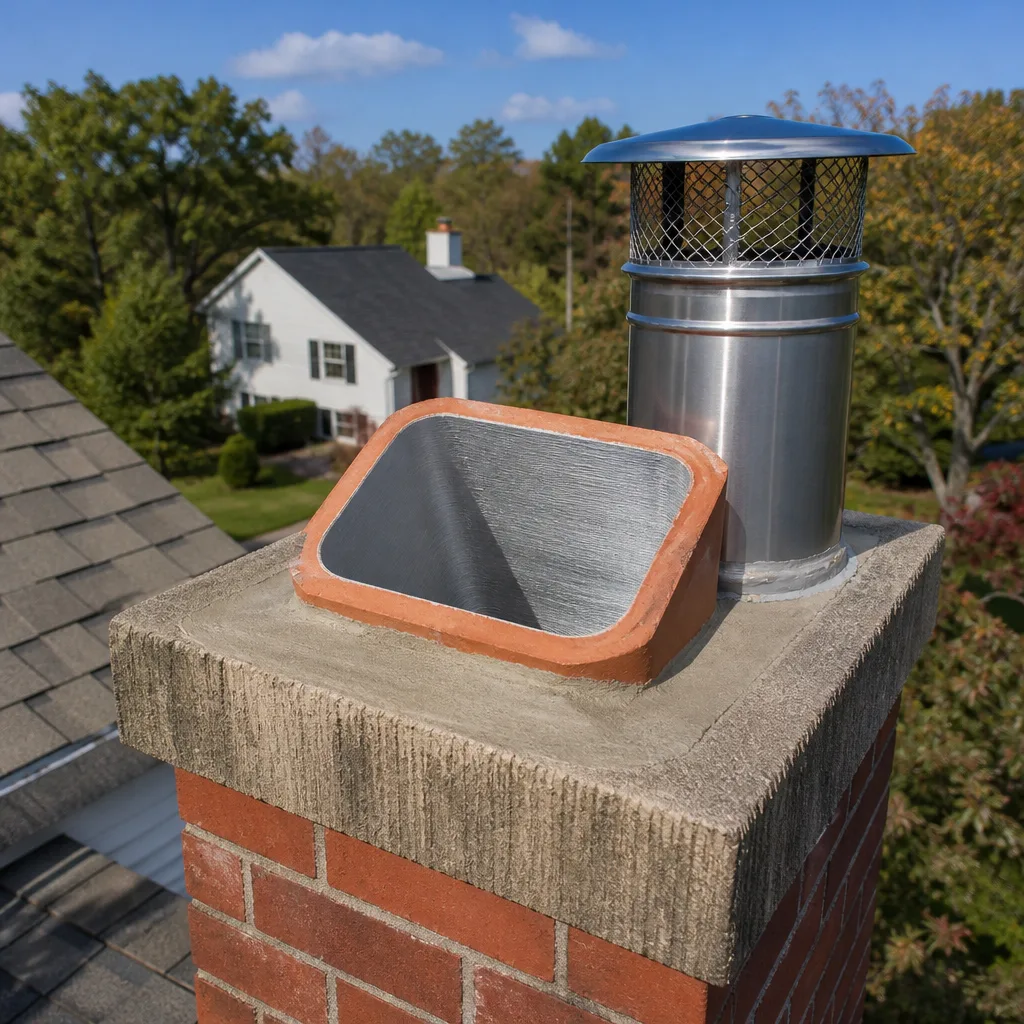 Flue relining
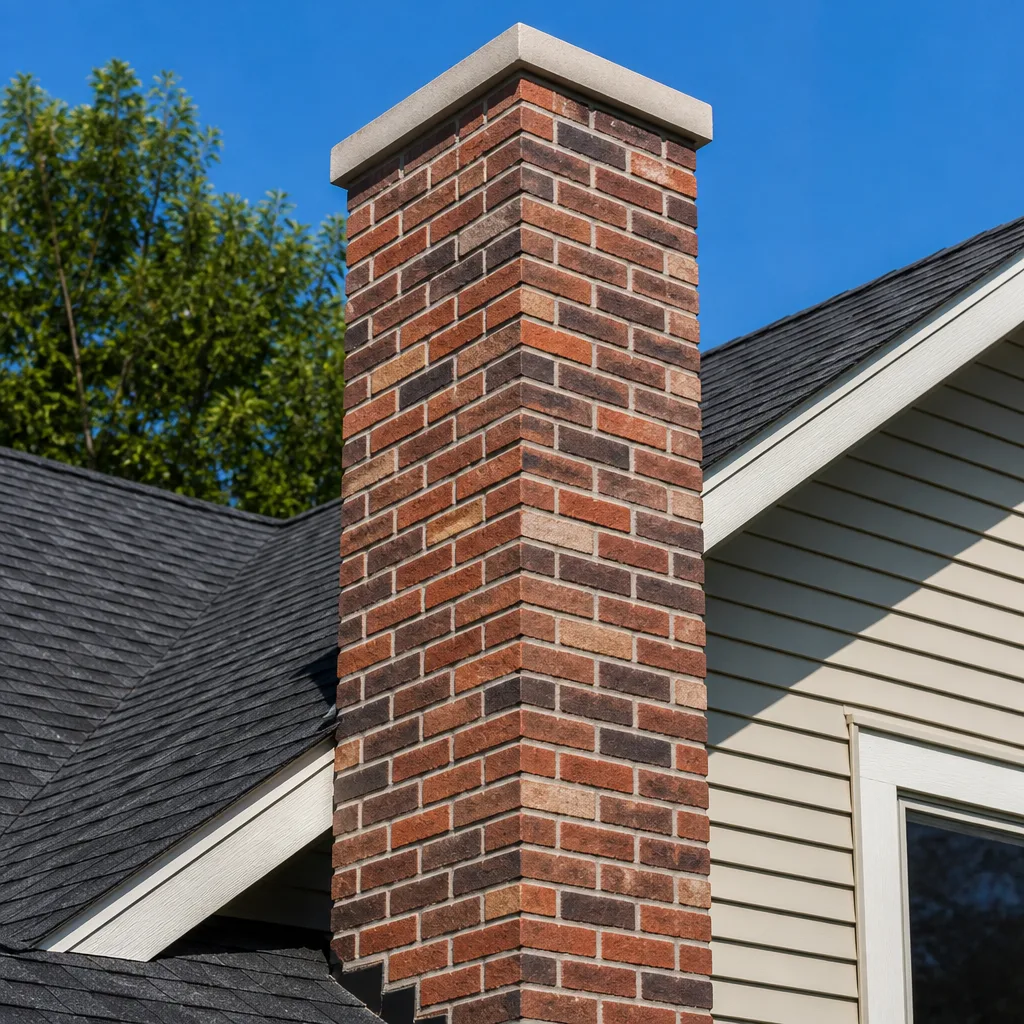 Masonry repair
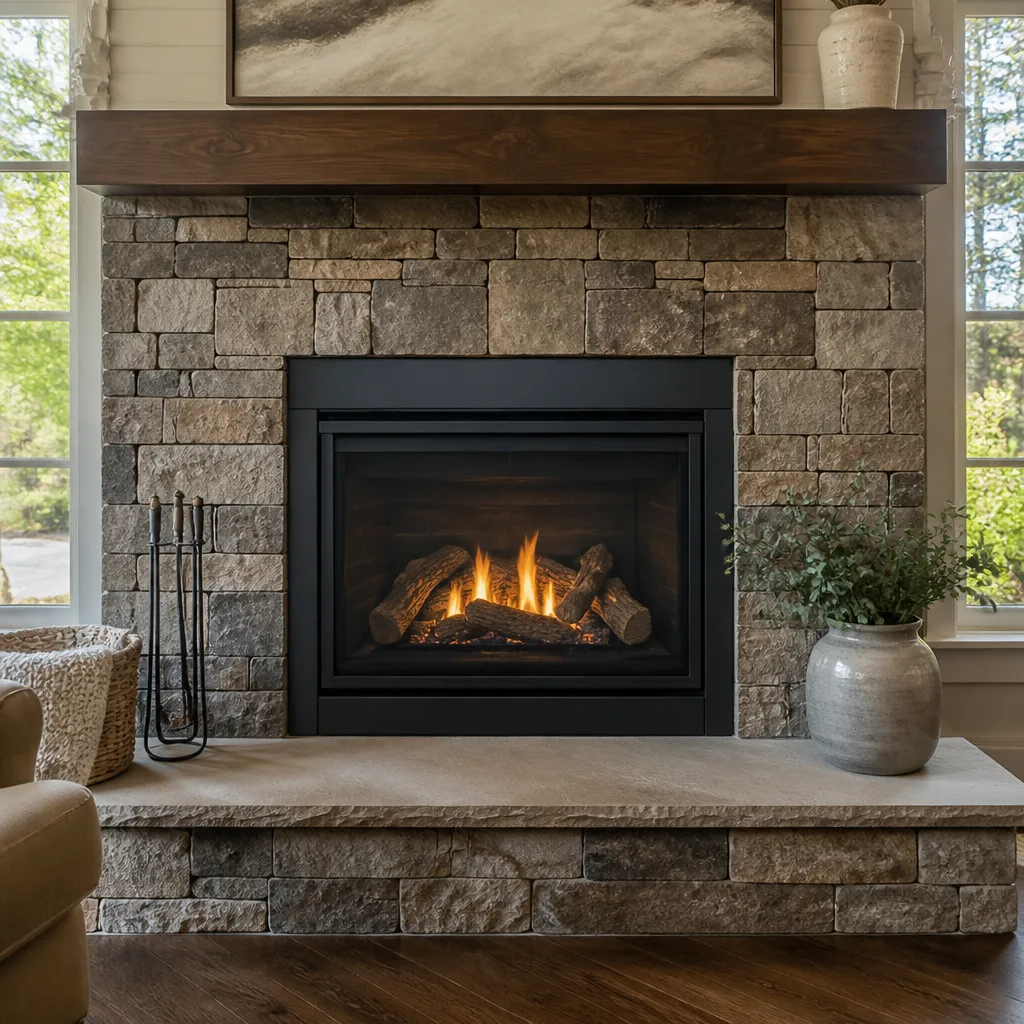 Gas fireplace service
Level 1 sweep and inspection to the NFPA 211 annual standard - flue, crown, cap, and flashing checked and photographed
Chimney sweep logs do not sweep chimneys. They loosen some creosote - which then falls where a brush and vacuum still have to collect it.
Chimney Cleaning Emergency Preparedness Guide for Ventura Homes
Most Ventura homeowners think of chimney emergencies as chimney fires. That’s only half the picture. During the Thomas Fire, the real hazard for many foothill neighborhoods wasn’t flame contact with the roof. It was the unseen pathway: embers riding 50 to 60 mph wind gusts directly into open or damaged flues, landing inside fireboxes, and finding dry creosote, old bird nests, or cracked masonry as their first fuel source. A chimney that had been swept two years ago was suddenly a firebox inside the house. This guide covers what a chimney emergency actually looks like in Ventura, how to prepare before October, and what to do in the first ten minutes when something goes wrong. You’ll learn the triage sequence that separates a draft problem from a chimney fire, the documentation that protects your insurance claim, and the specific weak points in older Ventura homes that make flue integrity a year-round concern, not a winter-afterthought.
Quick Answer
Chimney emergency preparedness in Ventura means three things: ensuring your chimney cap and spark arrestor are intact before October, knowing how to distinguish a draft reversal from a chimney fire in the first 60 seconds, and documenting any event thoroughly for your insurer. The highest-risk period is not winter. It’s September through November, when Santa Ana wind events combine with dry conditions and accumulated creosote from the previous burn season. A properly capped, inspected chimney turns a wind-driven ember storm from an active ignition threat into a non-event.
Styles & brands we work with
- Sweep & inspection
- Caps & crowns
- Flue relining
- Masonry repair
- Gas fireplace service
Table of Contents
- Why Ventura Has a Different Chimney Emergency Profile
- The Ember Intrusion Pathway: What Most Checklists Miss
- Pre-Fire-Season Emergency Checklist for Ventura Homes
- What a Chimney Fire Sounds, Smells, and Feels Like
- Smoke From an Unused Chimney: The 10-Minute Triage
- Post-Emergency Documentation: Protecting Your Insurance Claim
- Common Mistakes to Avoid
Why Ventura Has a Different Chimney Emergency Profile
Most chimney safety literature is written for cold-weather states. The dominant concern is slow creosote buildup from low, smoldering fires in tightly sealed homes during long winters. Ventura doesn’t fit that model. Our winters are mild, our burn season is shorter, and the real emergency profile is driven by wind, not temperature.
Here’s what makes Ventura distinct:
- Santa Ana winds create pressure differentials most chimneys never experience. A 50 mph gust against a chimney chase or roof penetration doesn’t just push air down the flue. It can reverse normal draft direction, pull smoke and embers into living spaces, and turn a routine fireplace use into a smoke-filled room. Older Ventura homes with short chimneys or poorly sealed damper assemblies are particularly vulnerable.
- High fire hazard severity zones wrap around the foothills and canyons. Homes in areas like the Ventura hillsides and canyon-adjacent neighborhoods sit inside zones where Cal Fire and local building codes impose stricter requirements for spark arrestors and ember-resistant features. If your chimney cap is missing or your spark arrestor mesh is torn, you have an open ignition pathway during red flag warnings.
- Older housing stock means older flue liners. Many Ventura homes built before the 1980s have clay tile liners that have cracked from decades of thermal cycling. A cracked liner isn’t just a draft issue. During a chimney fire, it becomes a direct path for flame and hot gases into wall cavities and attic framing.
- Creosote behaves differently in a dry climate. In humid regions, creosote tends to be sticky and tar-like. In Ventura’s dry air, creosote can become brittle and flaky, which means it ignites more readily and burns hotter. The same volume of creosote that might smolder in a damp climate can combust aggressively here.
This combination of wind, fire hazard zones, aging liners, and dry-fuel creosote means Ventura homeowners need a different mindset about chimney emergencies. It’s not about surviving a cold snap. It’s about eliminating pathways that turn an external wildfire event into an internal structure fire. Our chimney sweep work across Ventura consistently finds the same pattern: homeowners who understand this wind-and-ember risk profile are the ones whose chimneys survive wildfire seasons without incident.
The Ember Intrusion Pathway: What Most Checklists Miss
Standard chimney checklists tell you to get an annual inspection and clean your flue. Both matter. But they rarely explain the specific mechanism that causes structure fires during Ventura wind events. Understanding it changes what you look for.
The pathway works like this:
- Wind carries embers horizontally, not vertically. During a Santa Ana event, embers travel like bullets. They don’t gently drift down onto your roof. They get driven sideways into eaves, vents, and any opening facing the wind. Your chimney cap is a direct target.
- A damaged or missing cap creates an open entry point. If your chimney cap is rusted through, missing sections of its mesh, or gone entirely, embers enter the flue. They don’t need to fall straight down. Wind pressure pushes them in and down.
- Embers land inside the firebox or on the smoke shelf. The smoke shelf is a flat area just above the damper designed to catch debris. It’s also a perfect collection point for wind-driven embers. If the shelf has accumulated creosote or dried organic debris, you now have a fuel source inside your home’s envelope.
- The damper becomes irrelevant. A closed damper helps, but it’s not an ember-proof seal. Gaps around the damper frame are common in older Ventura chimneys, and wind pressure can force embers through surprisingly small openings.
- Ignition occurs hours after the wind event. This is the part that catches people off guard. An ember can sit smoldering in a firebox or on a smoke shelf for hours. The homeowner goes to bed thinking the danger passed. The fire starts at 3 a.m.
The most overlooked component in this chain is the spark arrestor. Building codes in Ventura’s fire hazard zones require spark arrestors with specific mesh sizing, typically 1/2 inch openings for arrestors specifically designed to block burning embers while maintaining adequate draft. But mesh corrodes. Bird nesting material accumulates around it. A spark arrestor that was effective five years ago may now be a torn screen with gaps large enough for embers to pass through. Every pre-fire-season inspection in Ventura should include a close look at the cap and arrestor from the roofline, not just from the ground. Our technicians see this from the roof on a regular basis, and the difference between an intact arrestor and a compromised one is often invisible from the yard.
Pre-Fire-Season Emergency Checklist for Ventura Homes
October is the critical month. That’s when Santa Ana winds typically begin in earnest and when high fire hazard severity zones throughout Ventura County move into peak risk. The work you do before October determines what happens when the first red flag warning hits.
Here’s the checklist that matters most:
- Verify chimney cap and spark arrestor integrity. This is the single highest-impact item. The cap must be securely attached, free of rust-through, and its mesh must be intact with no tears larger than 1/2 inch. If you can’t safely access your roof, this is a primary reason to schedule a professional inspection before October.
- Test the damper seal. Close the damper and look for visible gaps around the frame. Hold a lit match or lighter near the closed damper with the fireplace not in use. If the flame flickers or gets pulled, you have air movement through gaps. This means embers can also pass through those gaps during wind events.
- Inspect the firebox for cracks and gaps. Check the back wall, side walls, and floor of the firebox for cracks wider than a credit card edge. Look at the mortar joints between firebricks. Gaps here allow heat transfer into surrounding framing during normal use and become active fire pathways during a chimney fire.
- Remove all combustible material within 36 inches of the fireplace opening. During an ember intrusion event, embers can pop and bounce out of the firebox. Rugs, furniture, and stacked firewood within that radius become the next fuel source.
- Schedule a creosote inspection. Even if you didn’t burn much last season, a professional can determine whether the existing creosote is the brittle, highly flammable type common in Ventura’s dry climate. Visual inspection alone from the fireplace opening can’t assess this properly.
- Verify your chimney liner condition. If your home is older and has a clay tile liner, this inspection is non-negotiable. Cracked tiles during a chimney fire turn a contained flue event into a structural fire. In many cases, Ventura homes with damaged clay liners can be restored using a HeatShield ceramic resurfacing system rather than requiring full replacement, which is a far less invasive repair path.
- Clear the roof line around the chimney. Remove overhanging branches, accumulated leaves, and any debris within 10 feet of the chimney opening. During high wind events, dry leaves can be driven into the flue and create a fuel load even without an ember source.
This checklist isn’t alarmist. It’s the difference between a wind event that passes without consequence and one that leaves you standing in the driveway at 2 a.m. waiting for Ventura Fire Department to finish their work. The cap integrity item alone eliminates the most common ember intrusion pathway we see in Ventura’s foothill and canyon neighborhoods.
What a Chimney Fire Sounds, Smells, and Feels Like
Chimney fires are often reported as sounding like a freight train or a low-flying jet. That’s the most useful single description, but it doesn’t always match what people actually hear. Some chimney fires are quieter. Understanding the full range of warning signs matters because the correct response sequence changes depending on how quickly you recognize what’s happening.
Here’s what you might notice:
- Sound: A loud roaring or rumbling from the chimney, often compared to a train or a jet engine. But in less intense fires, the sound is a crackling or popping that’s louder than normal fire sounds and continues even after you close the damper. The fire is inside the flue, and the chimney itself is amplifying the noise.
- Smell: Intense, acrid smoke that’s sharper than normal wood smoke. This is creosote burning, and it has a chemical, almost asphalt-like quality. If you’ve ever smelled hot tar, you’ll recognize it.
- Visual: Flames or dense sparks shooting from the top of the chimney. In a serious chimney fire, burning creosote can be ejected from the chimney opening and land on the roof. Large, flaming debris outside the chimney is a clear signal.
- Heat: The wall around the chimney becomes unusually hot. In some cases, you can feel heat radiating through the masonry into the room. This is a serious sign that the fire is transferring heat into surrounding materials.
The correct immediate response sequence:
- Get everyone out of the house. Do not attempt to inspect the chimney interior. Do not climb onto the roof. Evacuate first.
- Call 911 from outside. A chimney fire is a structure fire until proven otherwise. The fire department needs to assess the full extent, not just what you can see.
- Don’t throw water into the fireplace. Water hitting a hot firebox or flue can cause thermal shock and crack masonry, turning a contained chimney fire into a wall-cavity fire. This is the most common mistake homeowners make.
- Close the damper if you can do so safely before leaving. This reduces oxygen flow to the fire. But if there’s any hesitation, just leave. Your safety comes first.
- After the fire department clears the scene, do not use the chimney again until it has been professionally inspected. Even if the fire seems minor, flue liner damage may have occurred. The next fire could be the one that breaches the structure.
Chimney fires don’t always announce themselves. A smaller chimney fire can burn itself out inside the flue without ever producing visible flames outside the chimney. The only evidence may be creosote that looks puffed or honeycombed during the next inspection, or a crack in the liner tile. This is why professional inspection after any suspected event matters, even when there’s no obvious damage. The inspection confirms whether the flue is still intact or whether liner repair is required before the chimney is used again.
Smoke From an Unused Chimney: The 10-Minute Triage
You smell smoke. The fireplace hasn’t been used in weeks. Your first thought is that something is wrong, and you’re right to take it seriously. But the correct response depends on a quick diagnosis that separates three very different scenarios.
- Draft reversal. Wind conditions in Ventura can push exterior air down the chimney and into the house. This air carries the smell of the outside environment, and during wildfire season, that smell is smoke. If the smoke smell is faint, evenly distributed throughout the room, and you can feel cool air movement near the fireplace opening, this is likely draft reversal, not an active fire. Close the damper if it’s open, and monitor. If the smell dissipates within an hour, the cause was environmental.
- A chimney fire. The smell is acrid, sharp, and doesn’t dissipate. It gets stronger over time. The fireplace may feel warm, or you may hear popping from the flue. This is an active event. Evacuate and call 911.
- Exterior fire exposure. A fire outside the home, approaching your neighborhood, can push smoke into the house through the chimney, through wall penetrations, and through any gap in the building envelope. The smell may be stronger than draft reversal and may be accompanied by ash or visible smoke in the air outside. If an evacuation warning is in effect for your area, follow it. If not, close the damper, close all windows, and monitor Ventura County emergency alerts.
The key distinguishing factor in the first ten minutes is whether the smell is getting stronger. Draft reversal smells like an environment you’re passing through. A chimney fire smells like something burning inside your house, because it is. Trust that distinction. If you’re unsure, call 911. The fire department would rather respond to a draft issue than arrive after a structure fire has already taken hold. Never hesitate on this.
For Ventura homeowners who want to understand their home’s specific draft behavior before an emergency happens, a professional inspection can identify the pressure points and weak seals that make some chimneys more prone to smoke intrusion than others. Knowing your chimney’s normal behavior during wind events is an emergency preparedness asset.
Post-Emergency Documentation: Protecting Your Insurance Claim
After any chimney-related emergency, from a minor chimney fire to smoke intrusion during a wildfire event, what you document in the first 48 hours determines what your insurer can do for you. Most homeowners under-document, and they do it in ways that make the adjuster’s job harder. Here’s what to record.
- Photograph everything before cleanup begins. The firebox, the damper, the chimney exterior, the roof around the chimney, any smoke staining on walls or ceilings, any water damage from fire suppression. Use your phone with location services enabled and timestamps visible. Wide shots showing the room context plus close-ups of specific damage.
- Record a video walkthrough. Narrate what you’re seeing as you walk through. This creates a timestamped record that photographs alone don’t capture. Mention the date, time, and what happened.
- Keep a written log. Note when you first noticed the problem, what you did, who you called, and what they said. Include times for every action. This establishes the sequence of events for the adjuster.
- Do not permanently repair anything before the adjuster sees it. Temporary safety measures are fine. But if you replace a damaged cap or patch a firebox before the insurer documents the damage, you may forfeit the claim. We can perform emergency safety measures while preserving the evidence.
- Get a professional inspection report. After the adjuster visits, schedule a professional chimney inspection. The report you receive should document the condition of the flue liner, the firebox, the cap, and the damper, with a clear statement of what damage is emergency-related versus what was pre-existing. This report is often the document that moves an insurance claim forward.
- Request the Fire Department report. If the fire department responded, there’s an incident report. Request a copy. It establishes the official record of the event and is required by many insurers.
One more note on insurance: some Ventura homeowners discover that their policy has specific requirements for chimney maintenance. If you can document that you had a professional inspection within the past year, your claim is much stronger. If you haven’t had one, the insurer may argue neglect. This is one of the quieter reasons to keep your chimney inspection current, especially in fire hazard zones where the stakes are higher.
Common Mistakes to Avoid
- Assuming a closed damper blocks all embers. A damper is not an ember-proof seal. Gaps around the frame are common, especially in older Ventura homes. The cap and spark arrestor are your actual first line of defense. A closed damper helps, but it doesn’t replace an intact cap.
- Thinking an annual sweep is enough for fire season. An annual sweep removes creosote, which is essential. But it doesn’t verify cap integrity, spark arrestor mesh condition, or damper seal. These require a different level of inspection, especially before October in Ventura.
- Ignoring a draft reversal because it “went away.” A chimney that suffers draft reversals during wind events has a pressure problem that will recur. Over time, smoke and embers entering the living space become a respiratory and fire hazard. The underlying cause needs professional diagnosis.
- Postponing liner repair after a small chimney fire. Even a small fire can crack a clay tile liner. The next fire has a direct path into the wall cavity. In our experience, the most dangerous chimneys are the ones that survived one event and were never inspected afterward.
- DIY cap replacement without understanding fire hazard zone requirements. Ventura’s fire hazard severity zones have specific requirements for spark arrestor mesh sizing and cap construction. Installing a decorative cap from a hardware store may not meet code and won’t provide the protection you need.
- Waiting until a red flag warning to inspect your chimney. By the time the warning is issued, the window for meaningful action has closed. October preparation is the only reliable strategy. A November emergency inspection leaves you with no time to repair what’s found.
- Under-documenting after a minor event because it seemed small. Smoke intrusion that leaves no visible damage can still affect indoor air quality and leave odor in textiles. Document it anyway. Your insurer can’t act on damage you didn’t record.
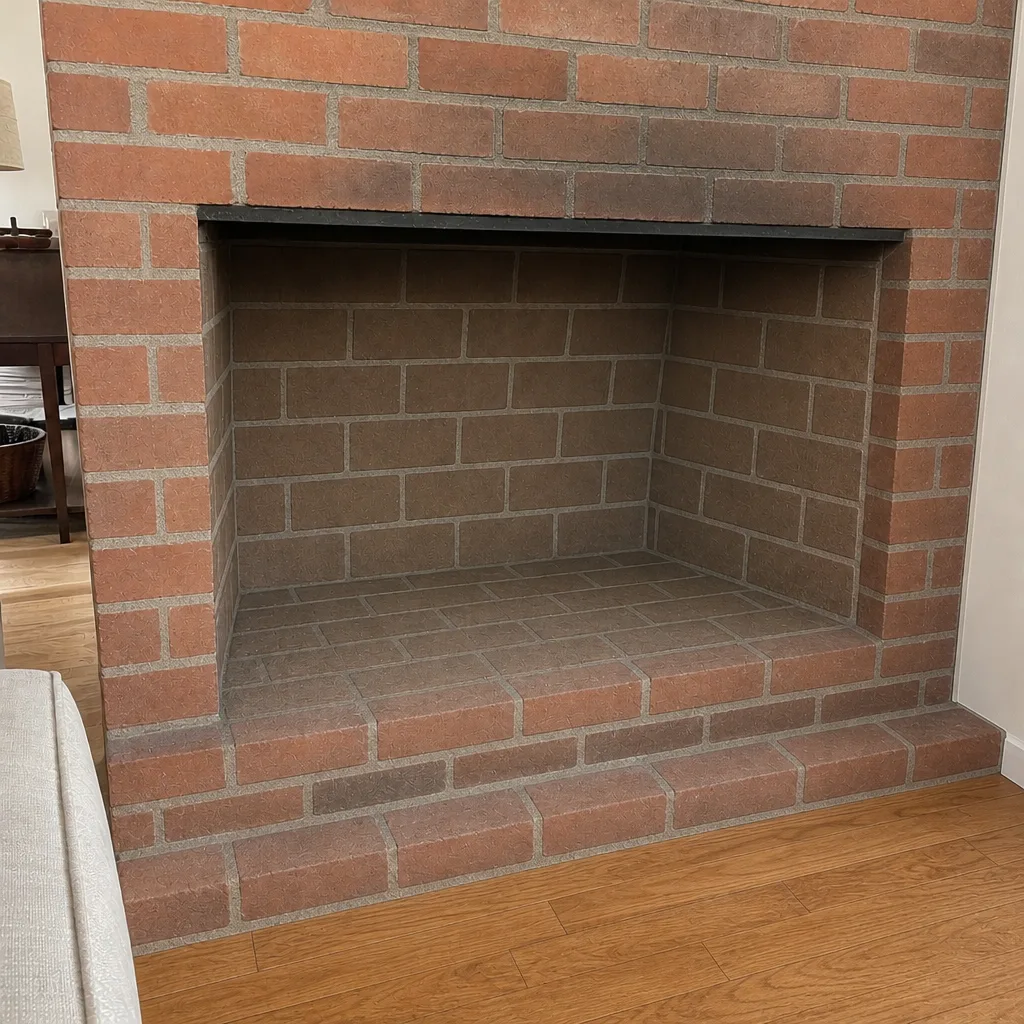
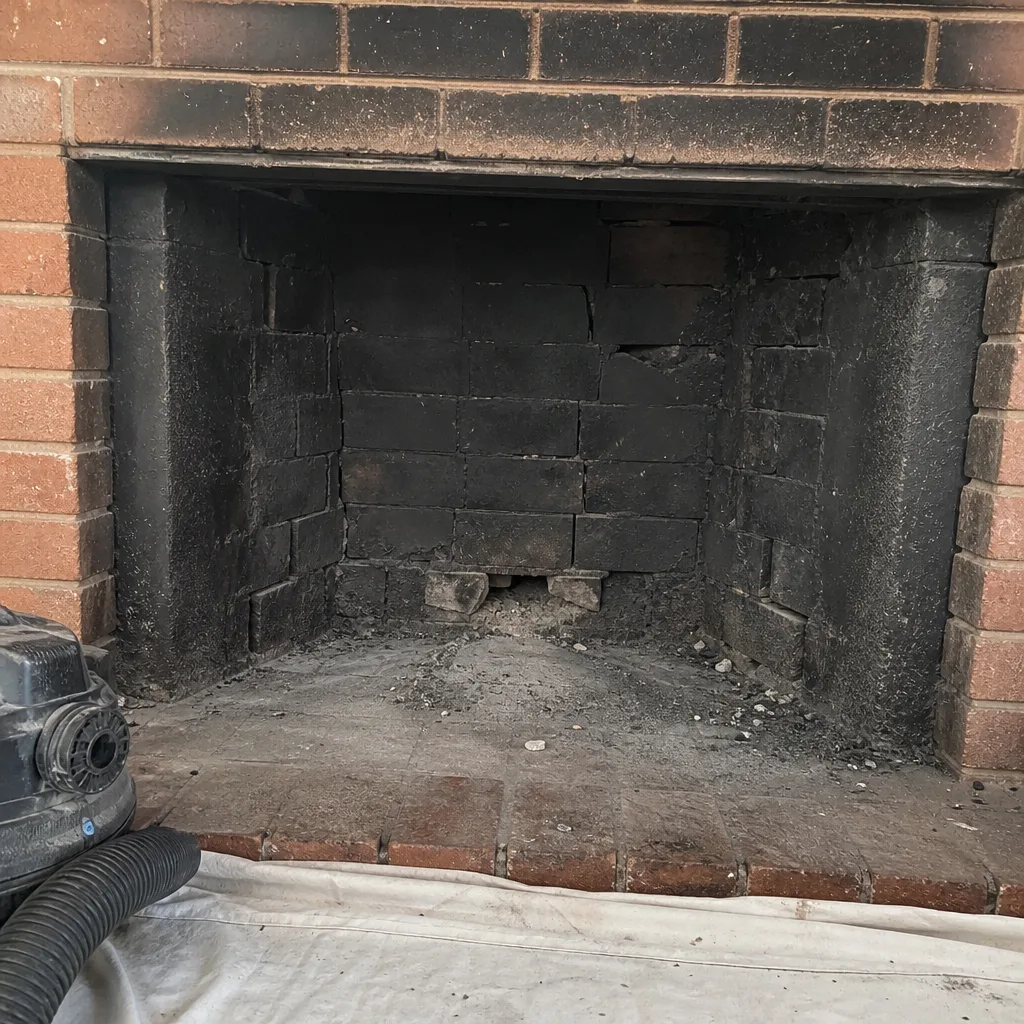
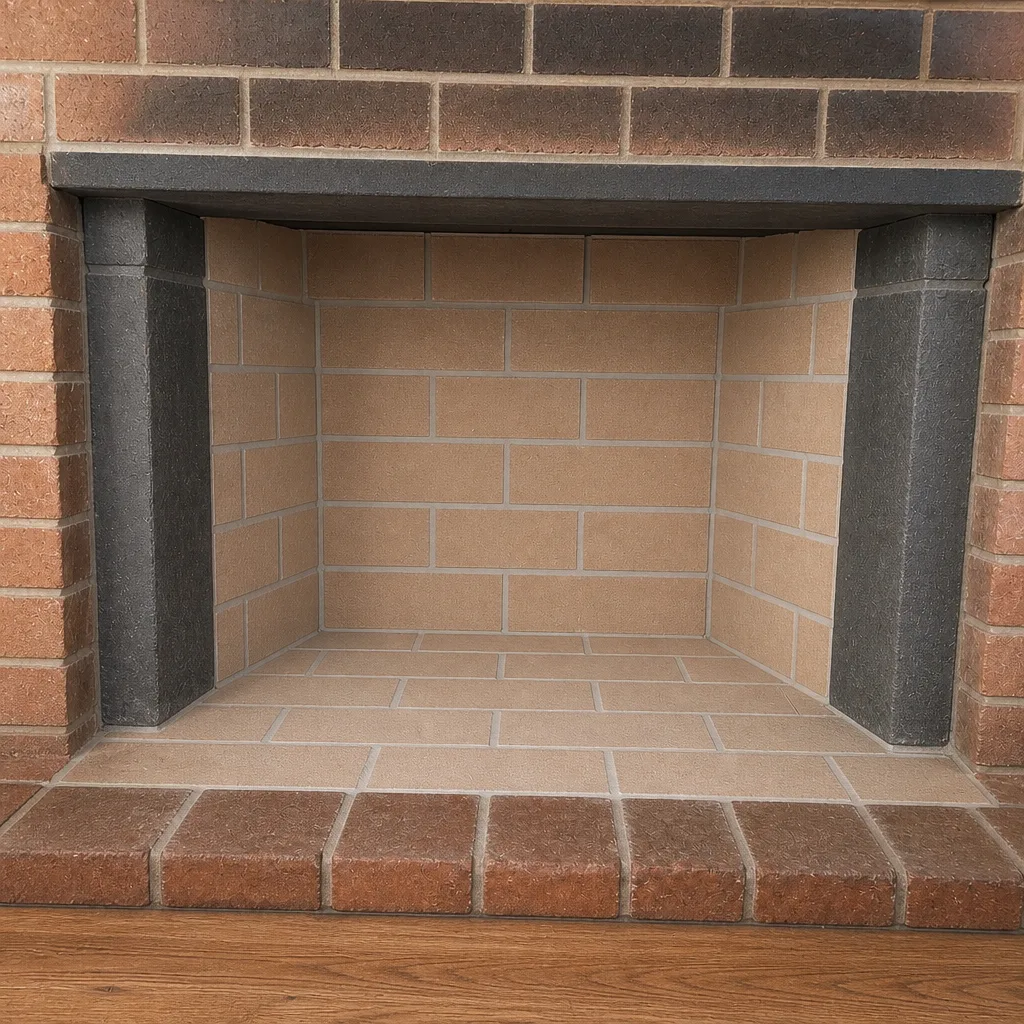
See the difference
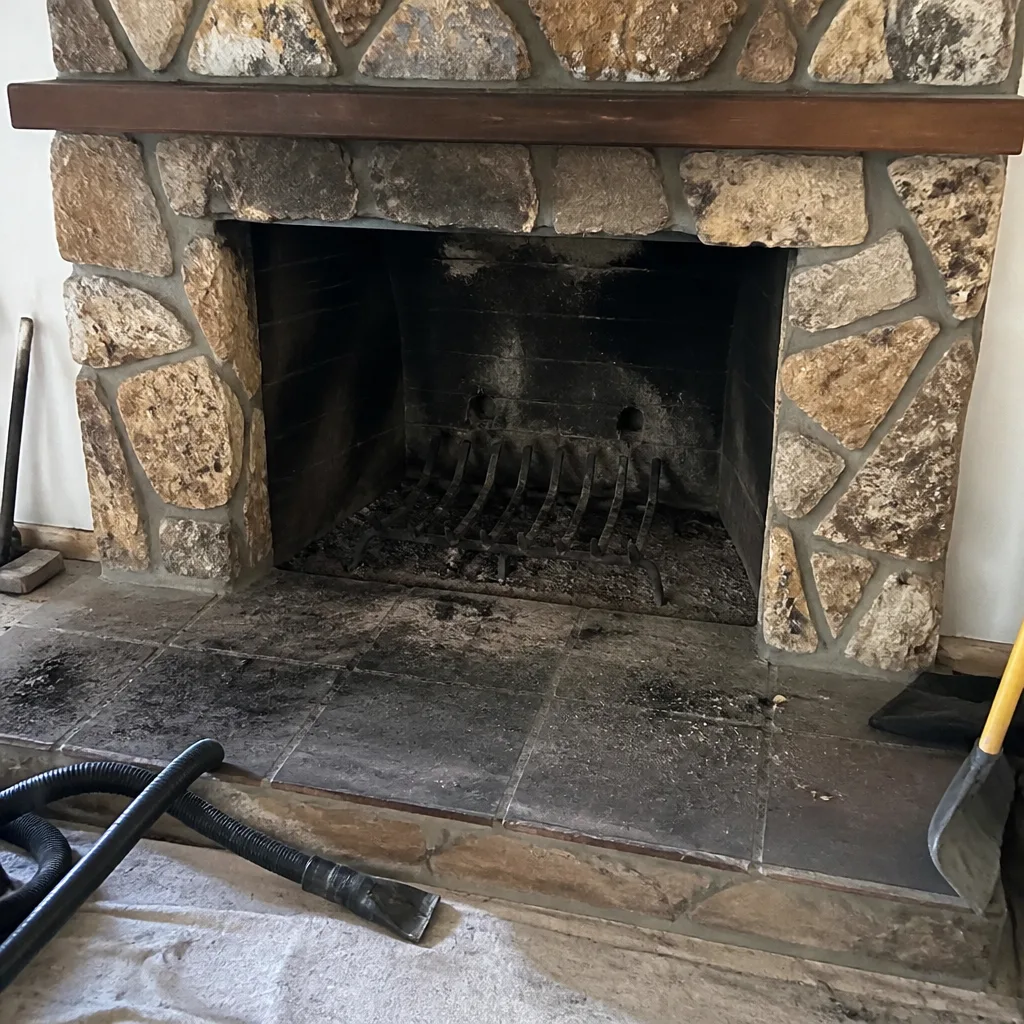 Before
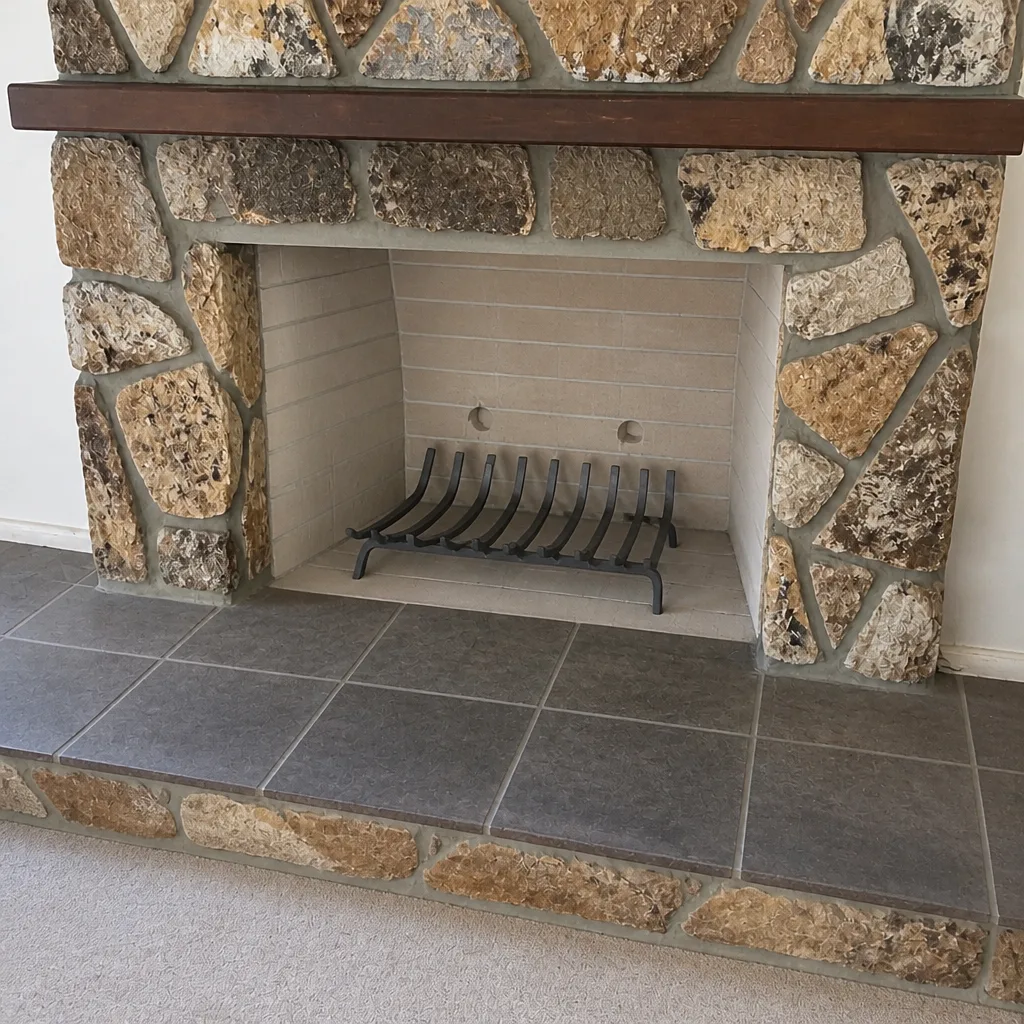 After
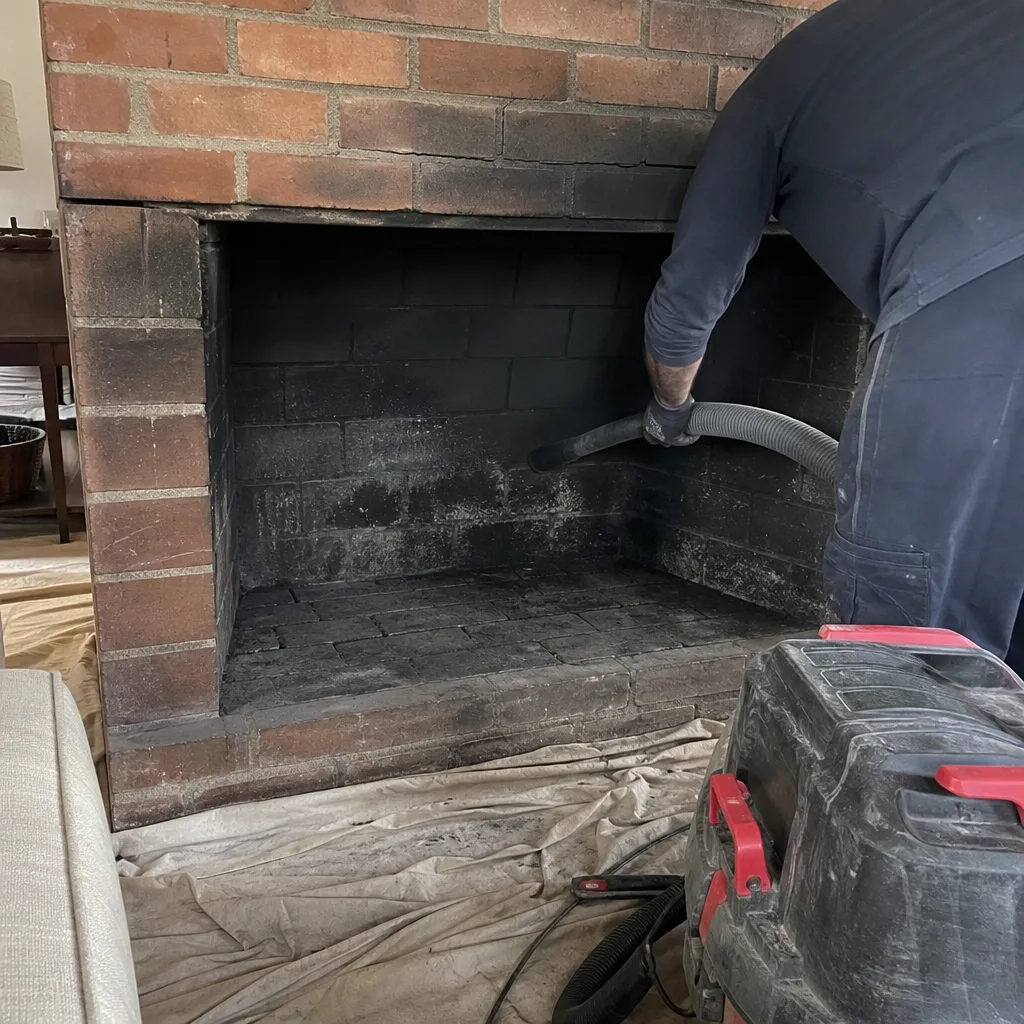 Before
 After
 Before
 After
When to Call a Professional
Some chimney situations resolve on their own. A draft reversal during a short wind event, a faint smoke smell that dissipates, a damper that sticks and then frees itself. Those are maintenance notes, not emergencies. But there are specific scenarios where delaying a professional assessment creates real risk. If you see flames or dense sparks from the chimney opening, evacuate and call 911 first, then schedule an inspection before using the chimney again. If you have smoke intrusion during a red flag warning, even if it dissipates, the underlying cap or damper issue needs diagnosis. If an inspection reveals cracked flue tiles, liner restoration using a HeatShield ceramic resurfacing system may be an option short of full replacement. And if your older Ventura home has never had the cap and spark arrestor evaluated from the roofline, that’s a pre-fire-season priority. Chimney Sweep Ventura offers free estimates in Ventura. Call (877) 798-8581. We answer 24/7. Fast dispatch from 7am to 7pm, Sunday through Friday.
Frequently Asked Questions
Most Ventura homeowners should have a professional chimney sweep once per year, ideally in late summer or early fall before the burn season begins and before Santa Ana wind season peaks. If you burn more than three cords of wood per season, or if you burn soft woods like pine that produce more creosote, twice per year may be appropriate. The real scheduling priority is timing: an October sweep means you enter fire season with a clean flue rather than discovering a creosote problem in November. Call (877) 798-8581 for an exact recommendation based on your fireplace and burn habits.
A standard chimney sweep in Ventura typically costs between $180 and $340 depending on the chimney’s height, accessibility, and the amount of creosote present. Additional services like cap replacement, damper repair, or liner inspection are priced separately and quoted before work begins. The written estimate sets the final price, and you’ll always know the scope of work before we start. For an exact quote on your Ventura home, call (877) 798-8581. Estimates are free.
Yes. If your home is in one of Ventura’s high fire hazard severity zones, a spark arrestor is a code requirement, not a suggestion. It exists to block wind-driven embers from entering your flue during wildfire events. Even outside mapped hazard zones, the practical risk during Santa Ana wind events makes an intact spark arrestor one of the highest-value safety features on your home. A missing or damaged arrestor means embers can enter the firebox and ignite creosote or accumulated debris. Most homes we inspect in Ventura that lack proper arrestors are homes where the cap was damaged years ago and never replaced.
First, determine if the smell is getting stronger or staying constant. If it’s faint, constant, and accompanied by wind outside, it’s likely draft reversal pushing outside air down the chimney. Close the damper and monitor. If the smell is sharp, acrid, and intensifying, evacuate and call 911. This is the distinction between an environmental condition and an active fire. When in doubt, call 911. After the immediate situation resolves, schedule a professional inspection to identify the pressure points or seal failures that caused the smoke intrusion in the first place.
In many cases, yes. Chimney Sweep Ventura uses a HeatShield ceramic resurfacing system to restore damaged clay tile liners without the cost and intrusion of full replacement. The ceramic material is applied to the existing flue interior, creating a new, code-compliant surface that seals cracks and restores structural integrity. This is the “restore, not replace” approach we recommend whenever the original liner is still sound enough to support the restoration. For flues with more extensive damage or complex offsets, a DuraFlex flexible liner system may be the right solution. Both approaches use the same professional-grade materials specified by certified chimney professionals. Call (877) 798-8581 for an assessment and exact quote.
Creosote continues to accumulate in the flue, and in Ventura’s dry climate, it cures into a brittle, highly flammable form that ignites more readily than the sticky creosote common in humid regions. A year of skipped cleaning may mean the difference between a controlled chimney that vents properly and a flue with a fuel load sufficient to sustain a chimney fire. The risk isn’t just the fire itself. It’s what a fire reveals: cracked liners, failed mortar joints, and pathways into wall cavities that were hidden until they became active. The safest approach is an annual sweep before burn season. Call (877) 798-8581 to schedule yours.
The Bottom Line
Ventura’s chimney emergency profile is driven by wind and ember intrusion, not cold weather. An intact cap and spark arrestor are your first line of defense against a wind-driven ember entering your firebox and igniting dry creosote. Pre-fire-season preparation means verifying cap integrity, damper seal, firebox condition, and liner integrity before October. If you smell smoke from an unused chimney, distinguish quickly between draft reversal and an active fire, and evacuate immediately when in doubt. After any event, document thoroughly before cleanup begins, and get a professional inspection before using the chimney again. The gap between a chimney problem and a structure fire is narrower in Ventura than in almost any other California community, and it’s widest during the months when the Santa Anas blow. The time to close that gap is before the wind picks up.
Written by the team at Chimney Sweep Ventura, serving Ventura since 2011.